

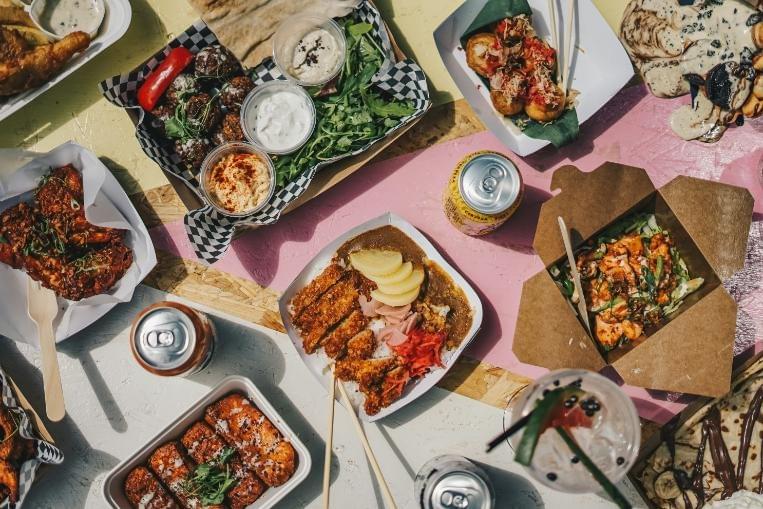
I vividly remember the first time I tried generating a food image with artificial intelligence. I needed a simple shot of a rustic sourdough bread loaf for a layout test. I typed "delicious sourdough bread" into the generator and waited. What came back was a glowing, plastic-looking orb that resembled a child's toy rather than an edible loaf. It lacked the crusty fissures, the scattered flour, and the natural, uneven lighting of real baking. That failure taught me a critical lesson: AI does not understand food; it understands parameters. To get realistic food images, you have to stop prompting like a consumer and start prompting like a photographer.
The same principle applies to styling. A prompt is not just a text instruction; it is a compact visual brief. The way you describe light, surface, garnish, texture, and camera angle directly affects whether the final image feels edible or artificial. This is why I often treat prompting as an extension of food styling, not a separate technical trick. If you are still building that foundation, this guide on how artificial intelligence photos are changing food photography and styling gives a broader view of how AI, composition, and appetite appeal work together.
Writing effective AI food photography prompts requires a technical approach. You must construct a complete visual brief that defines the environment, the camera, and the subject matter. In this guide, you will learn how to shift your mindset from writing generic requests to crafting precise instructions. We will cover how to control lighting, camera angles, food texture, and styling to generate believable, high-quality results. For more practical guides on creating realistic food visuals with AI, you can also explore aifoodphotohub.com.The Anatomy of a Strong Prompt
Key Takeaways:
- A successful prompt is a detailed formula combining subject, lighting, angle, and texture.
- Using actual photography terminology dramatically improves the realism of AI-generated food images.
- Negative prompts are essential for removing artificial gloss and impossible food physics.
The Anatomy of a Strong Prompt
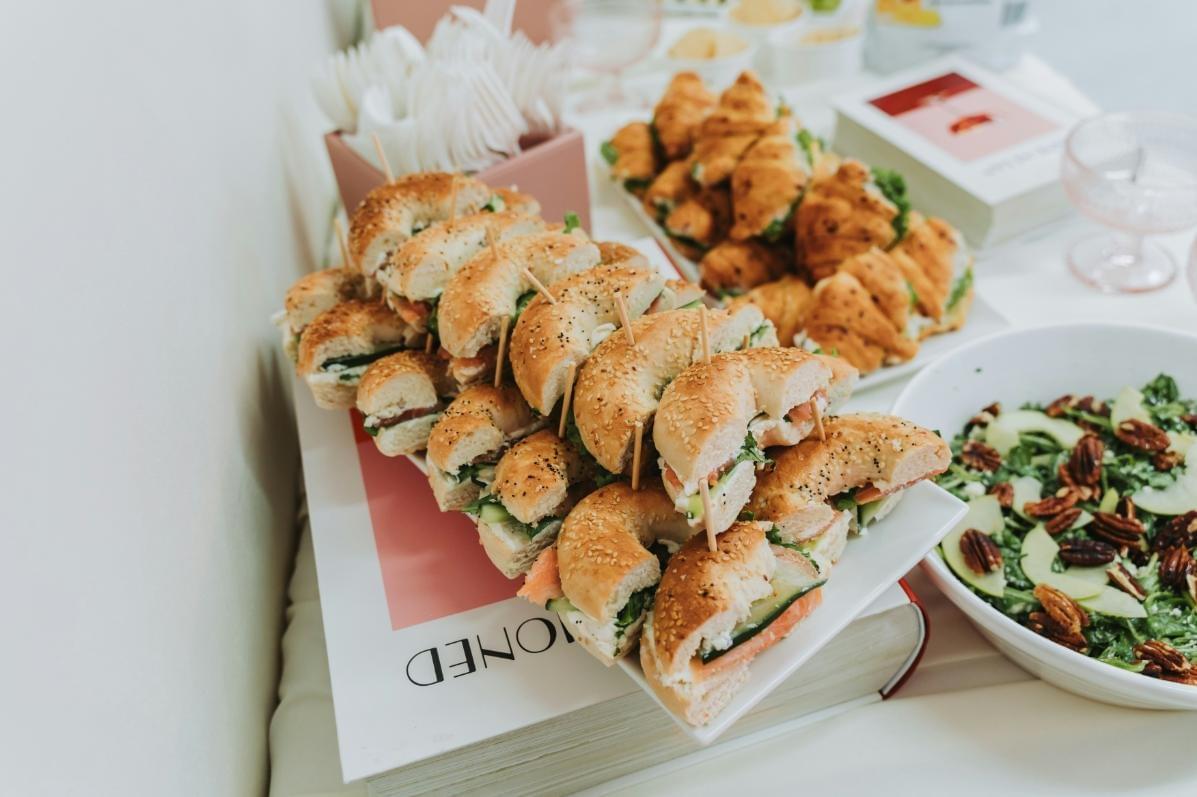
A strong prompt does not rely on subjective adjectives like "yummy" or "beautiful." Instead, it uses concrete, descriptive language to build a scene. Vague prompts leave too many decisions up to the AI, which usually defaults to an over-saturated, hyper-perfect aesthetic.
To create believable food visuals, use this technical formula: [Subject & Ingredients] + [Plating Style] + [Camera Angle] + [Lighting] + [Background] + [Food Texture] + [Editing Style] + [Negative Constraints].
Consider the difference between a weak and strong prompt. A weak prompt says, "A beautiful bowl of ramen." A strong prompt says, "A bowl of tonkotsu ramen with rich milky broth, sliced chashu pork, a soft-boiled egg, and chopped scallions, photographed from a 45-degree angle, soft natural window light from the left, dark wooden table, realistic food texture, steam rising naturally, editorial food styling." The second prompt gives the AI a rigid framework to operate within, leaving no room for plastic-looking interpretations.
Controlling the Technical Elements
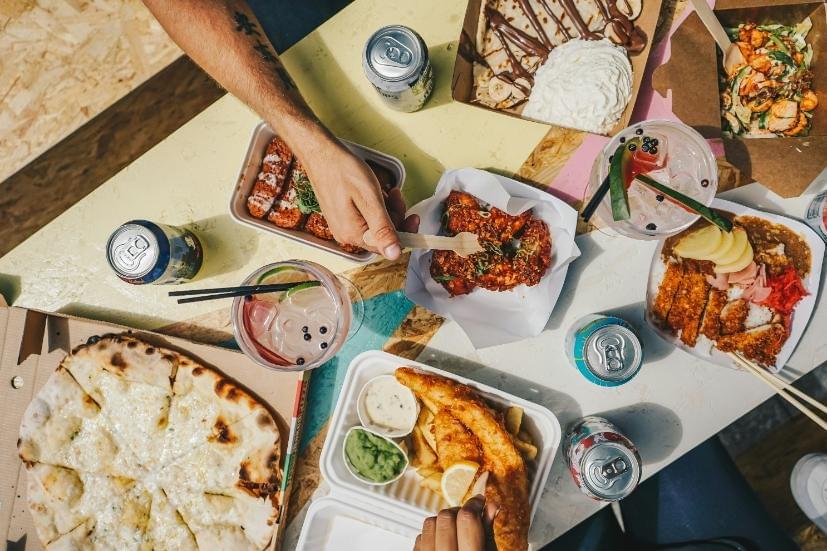
To master AI food photography prompts, you must understand the technical elements of real food photography. The AI engine responds exceptionally well to established camera and lighting terminology.
Lighting for Food Photos
Lighting dictates the mood, depth, and realism of your image. Never leave lighting unspecified. I have found that natural lighting works best for food photography. I tend to use daylight as much as possible, especially when shooting savory dishes. Use phrases like "soft natural window light," "diffused side lighting," or "warm morning sunlight." Avoid front lighting, which flattens the subject. Side lighting or backlighting is crucial for highlighting the peaks and valleys of your food texture.
Choosing the Camera Angle
The camera angle determines how the viewer interacts with the dish. Match the angle to the shape of the food.
- Overhead (90 degrees): Use this for flat lays, pizzas, brunch spreads, and shallow bowls. It focuses on geometric arrangement.
- 45-degree angle: This is the standard dining perspective. Use it for plated mains, rice bowls, and pasta.
- Straight-on (0 degrees): Use this for subjects with vertical layers, like burgers, stacked pancakes, or tall beverages.
Emphasizing Food Texture
Texture is the difference between a fake image and a mouth-watering one. You must explicitly prompt the AI to render the tactile qualities of the food. Use descriptive keywords like "crispy crust," "glossy sauce," "distinct rice grains," "charred grill marks," or "velvety cream." When the AI knows to look for these micro-details, the resulting image feels much more grounded in reality.
Step-by-Step Guide to Writing AI Food Prompts
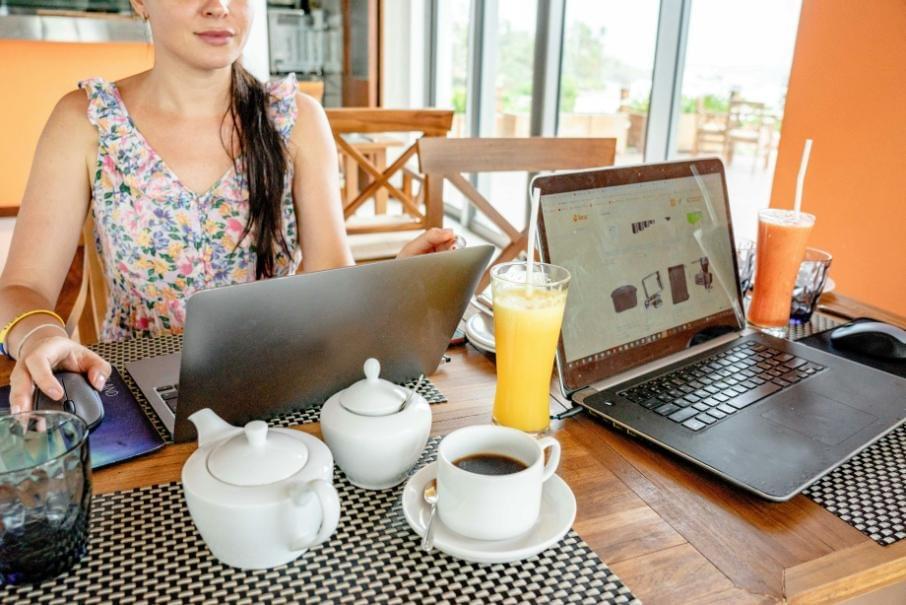
Building a reliable prompt is a systematic process. Follow these technical steps to ensure consistent, high-quality results.
- Step 1: Define the Hero Subject and Ingredients
Start with exactly what is on the plate. Specify the main dish and two to three key visible ingredients. If you are generating regional or specific cultural dishes, be exact. "Nasi lemak with coconut rice, sambal, fried anchovies, and a boiled egg" works better than "Asian rice dish."
- Step 2: Establish the Environment
Tell the AI where the food lives. Describe the plateware and the surface beneath it. Keep it simple to avoid clutter. "Served on a matte ceramic plate resting on a rustic wooden table" gives the food a grounded, realistic setting without distracting the eye.
- Step 3: Apply the Photography Parameters
Inject your camera angle and lighting instructions. This is where you transform a generic image into a professional shot. Add your terms: "Photographed at a 45-degree angle, shallow depth of field, soft diffused side light."
- Step 4: Lock in the Style and Constraints
Add your editing style, such as "commercial menu photography" or "editorial food styling." Finally, apply negative prompts to block AI hallucinations. State clearly: "No plastic shine, no fake steam, no melted utensils, no over-saturation."
The Prompting Habits That Instantly Make Food Images Look Fake
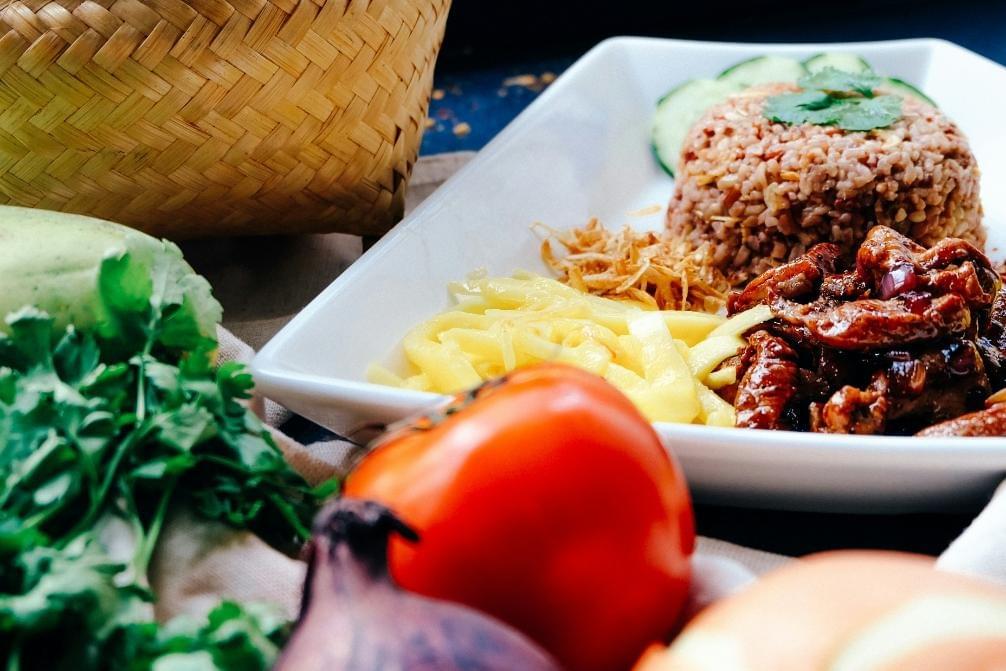
Even with a good structure, certain prompting habits will sabotage your results. Recognizing these red flags will save you hours of generation time.
First, avoid using too many conflicting adjectives. Prompting for an image that is "rustic, moody, bright, modern, and luxurious" all at once will confuse the engine, resulting in a chaotic mess. Choose one specific visual direction and stick to it.
Second, do not overdo it with filters or editing terms. Beginners often ask for "cinematic lighting" or "8k unreal engine render" when they actually just want a clean menu photo. These terms introduce heavy, unnatural contrast and exaggerated gloss that ruins the organic appeal of the food. Focus on enhancing natural colors instead of pushing for hyper-realism.
Finally, always inspect the generated image for physical impossibilities. AI struggles with logic. Look out for melted forks blending into the table, duplicate garnishes patterned perfectly, floating crumbs, or shadows that fall in the wrong direction. If you spot these, tighten your negative prompts and regenerate.
The Real Skill Behind Consistently Beautiful AI Food Photos
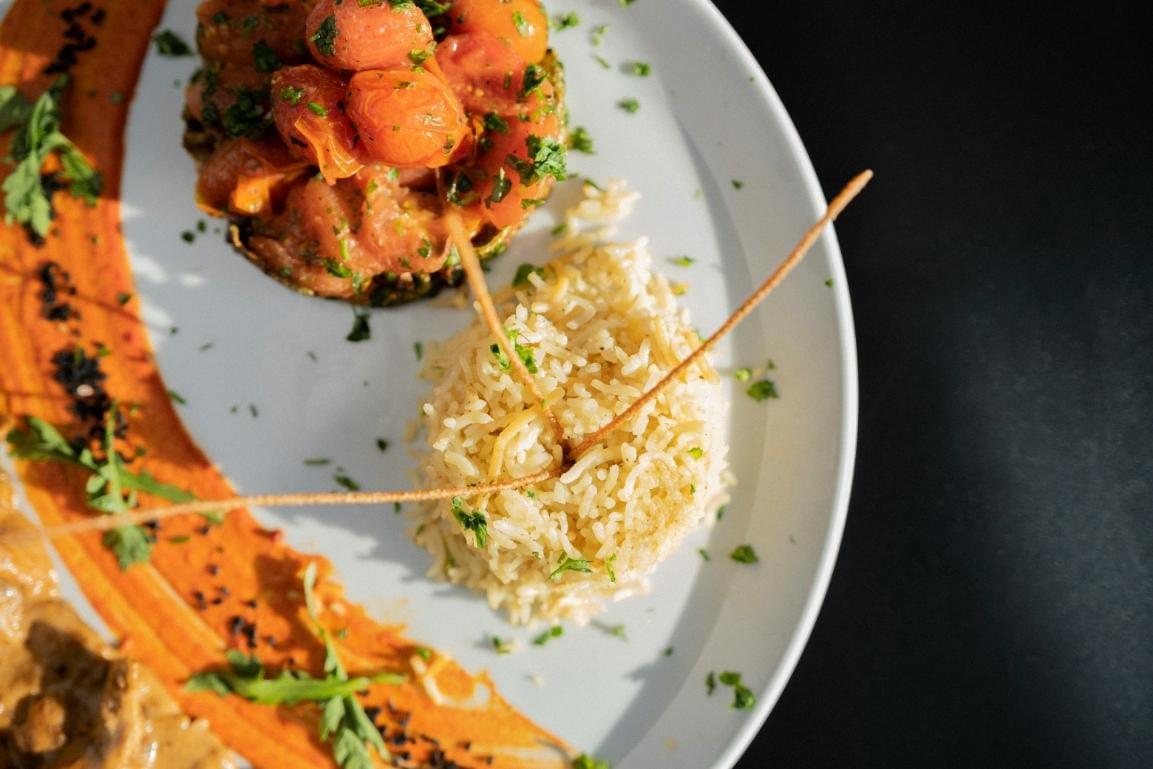
Mastering AI food photography prompts is an exercise in technical communication. By treating the AI like a camera and a studio setup rather than a magic wand, you gain total control over the final output. Remember to be highly specific about your subject, strictly dictate the lighting and angle, and use negative constraints to strip away that artificial gloss.
Apply this structured formula to your next generation session. Start with a simple subject, dial in your natural lighting, and watch how quickly your results shift from synthetic to irresistible. With practice and precision, you can consistently engineer believable food visuals that captivate your audience.
