

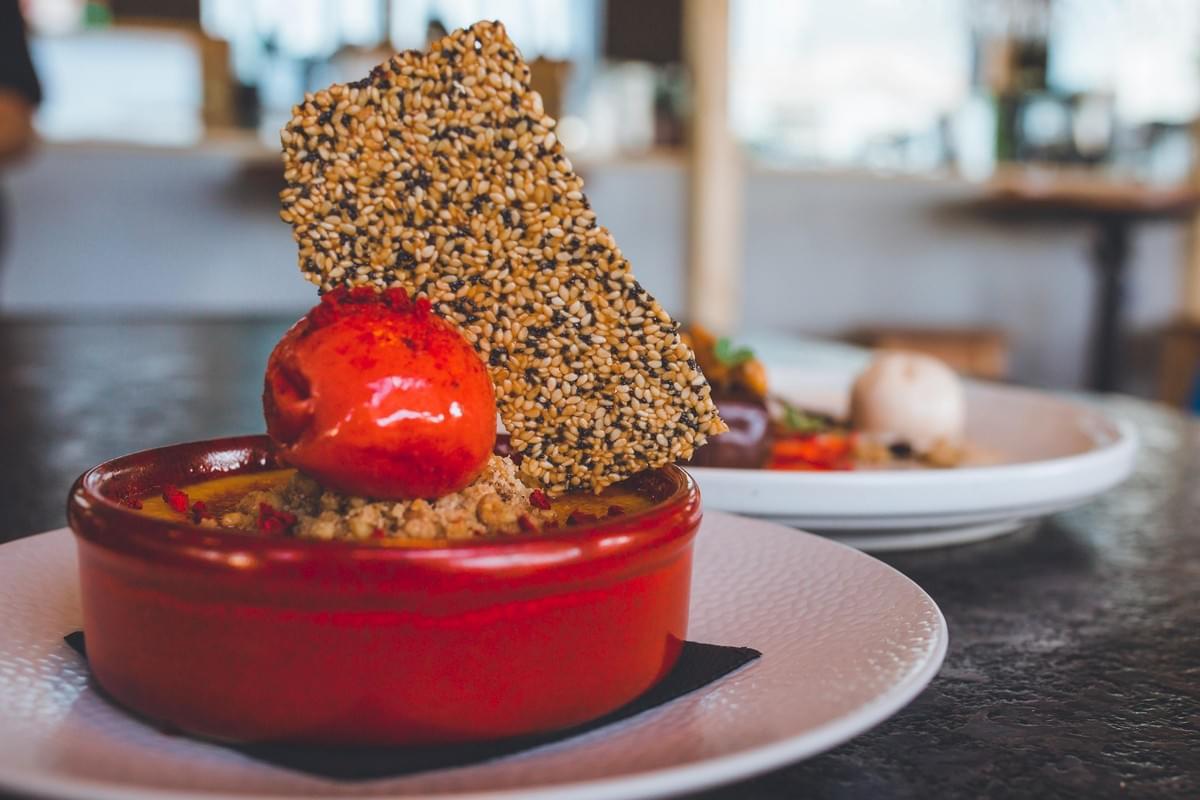
Imagine this: it is a beautiful Tuesday afternoon, and your dining room is bathed in golden hour light. You just plated a vibrant, rustic heirloom tomato tart that looks absolutely stunning. You need new food photos for Instagram and your delivery app, but you simply do not have the time or budget to coordinate a full professional shoot right now. You snap a quick picture on your phone, but the shadows fall flat, and the vibrant reds look a bit dull.
This is where AI food photography steps in as a brilliant, supportive tool for your restaurant marketing. It offers a way to enhance your visual storytelling, turning a good shot into a mouth-watering masterpiece. But there is a delicate art to balancing aesthetic appeal with authenticity. Your restaurant visuals must remain honest, appetizing, and completely believable. Let us explore how you can use AI to elevate your restaurant photos, ensuring your beautiful dishes translate perfectly to the screen without ever losing their true essence.
Why Food Photos Matter in Restaurant Marketing
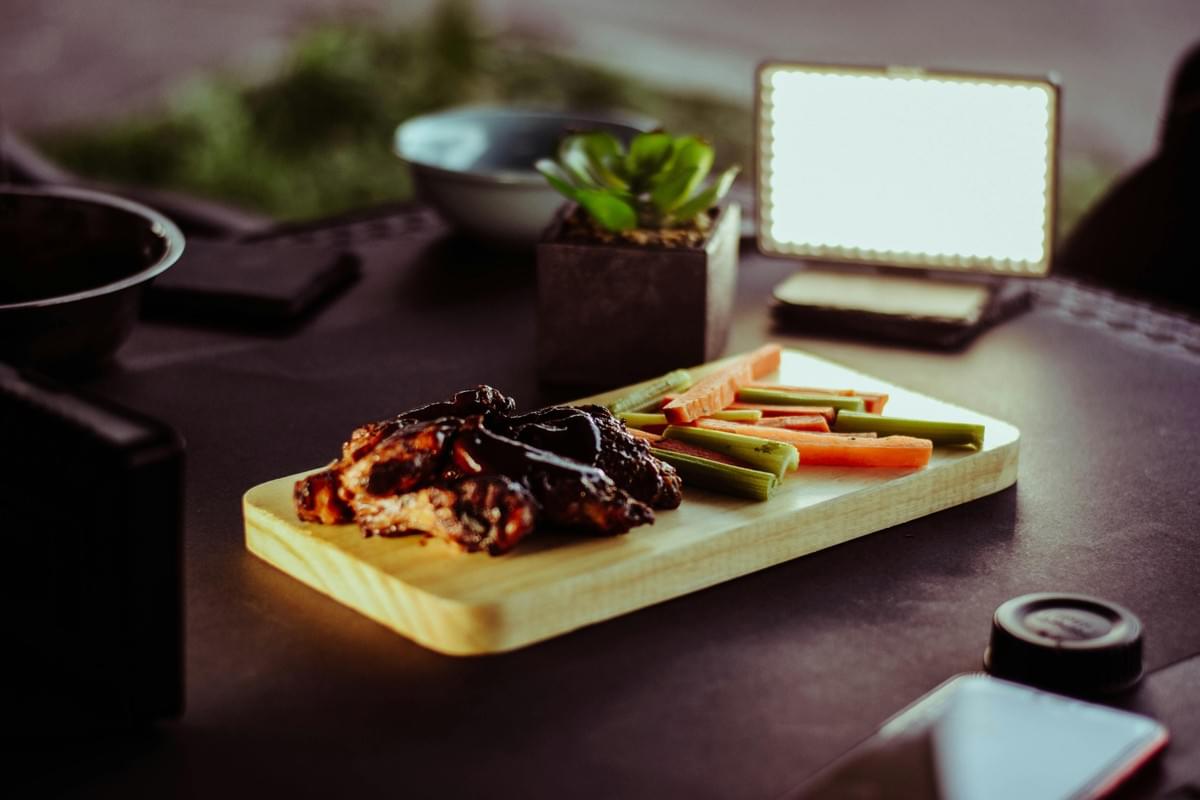
We eat with our eyes first. Long before a customer walks through your doors or taps the order button, they are tasting your menu through your imagery. Food photos shape first impressions, influence clicks, and build genuine customer trust.
When your visual story is rich and inviting, it sparks curiosity and drives social media engagement. A thoughtfully styled image communicates the care and passion you pour into your kitchen. Customers often judge the entire dining experience, from the atmosphere to the flavor profile, based on a single photograph. Beautiful, accurate visuals are the foundation of any successful food business.
Where AI Food Photography Works Best
AI food photography shines brightest when it acts as a gentle enhancement rather than a complete replacement for your culinary art. It works wonderfully for bringing out the best in the photos you already have.
The most magical use cases for your restaurant marketing include:
- Enhancing existing restaurant photos to match your brand's aesthetic.
- Correcting lighting and balancing colors to highlight fresh ingredients.
- Removing distracting background elements, like a stray napkin or a water glass.
- Testing creative campaign concepts before cooking new dishes.
- Building lush visual mood boards to inspire your next menu.
- Creating versatile supporting graphics for seasonal promotions.
Always remember: AI works best when it elevates the realistic food images of the dishes you actually serve.
Use AI to Improve Lighting, Not Invent the Dish
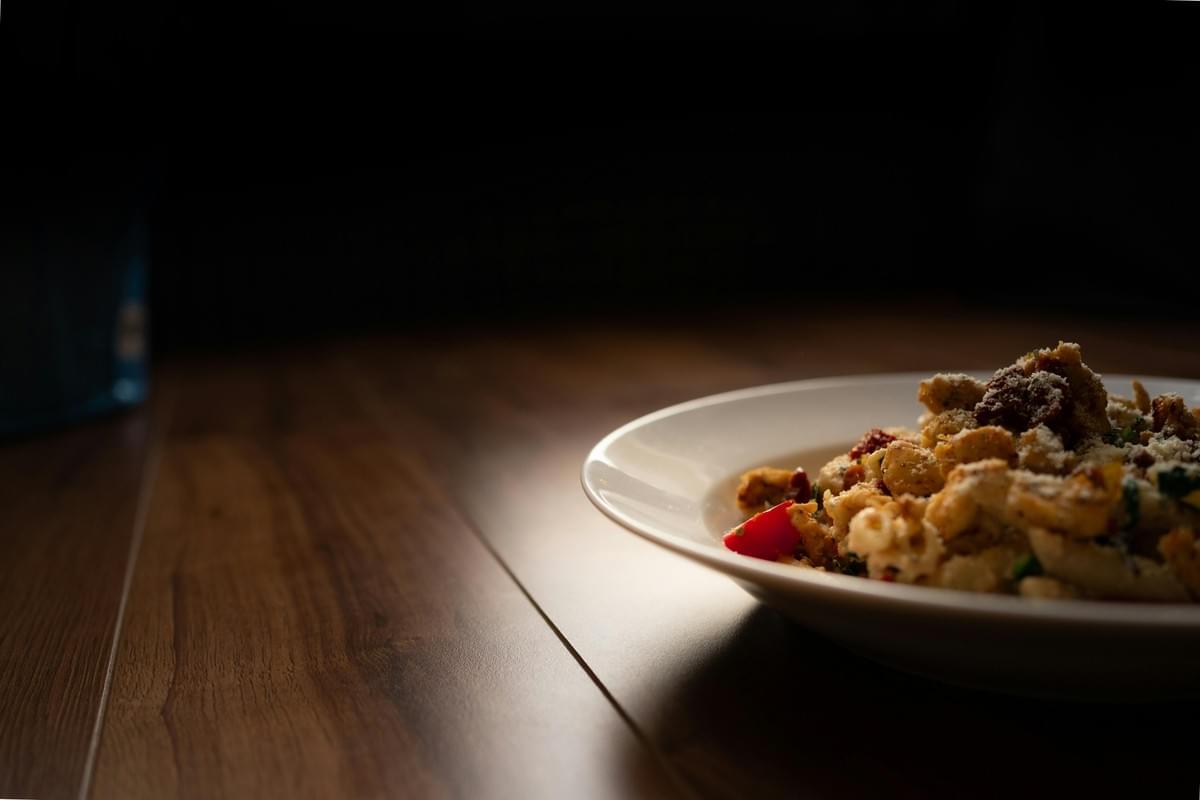
Think of AI image editing as digital sunlight. You can use it to coax out the natural textures of a dish, improving exposure, softening harsh shadows, and balancing the contrast.
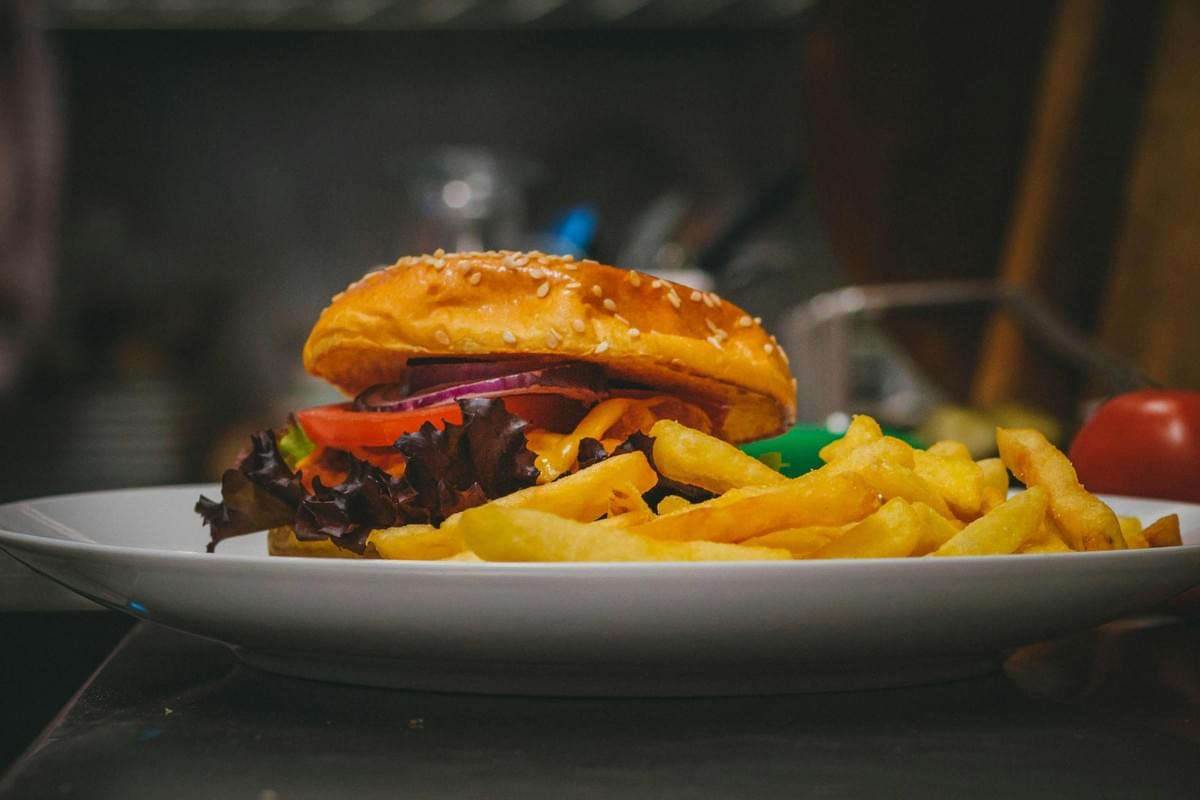
However, you must avoid using AI to fabricate a meal you do not serve. Brightening the dim lighting on a juicy burger photo is a wonderful way to make it look appetizing. But replacing your actual burger with an entirely AI-generated one is a risky move that breaks customer trust. Cleaning up messy crumbs on a table is perfectly fine, but adding rich, glossy ingredients that customers will not actually receive is deeply misleading. Let AI polish your art; do not let it invent a lie.
Keep Restaurant Photos Realistic and Brand-Consistent
Every food business has a unique personality. Whether you run a cozy, rustic bakery or a sleek, modern sushi bar, your visual style must remain consistent across your website, ads, and delivery apps.
Pay close attention to your color tones, plating styles, and the props you use. If your restaurant features warm, moody lighting, your AI-enhanced food images should reflect that exact atmosphere. Consistency builds a cohesive narrative. Your audience should be able to scroll past an image and instantly feel that it belongs to your brand.
What Works: Smart Ways to Use AI Food Photography
Embracing AI can unlock new potential for your visual storytelling. Here are smart, creative ways to weave it into your workflow:
- Edit real food photos to enhance their natural beauty instead of generating fake ones.
- Use AI to gently clean away background distractions.
- Adjust colors softly so your fresh herbs and rich sauces pop naturally.
- Crop images creatively for different platforms, highlighting intriguing textures.
- Design playful seasonal campaign graphics.
- Repurpose a single beautiful shoot into multiple pieces of social media content.
- Use AI tools to brainstorm and plan plating ideas before a real photo session.
What to Avoid: AI Food Photography Mistakes
There is a fine line between a mouth-watering image and one that feels cold and plastic. Steer clear of these common missteps:
- Making the food look impossibly perfect and devoid of natural character.
- Showing portion sizes that are significantly larger than reality.
- Adding garnishes or ingredients that are not included in the actual dish.
- Over-saturating colors until the food looks neon and artificial.
- Applying fake steam, unnatural shine, or exaggerated sauce drips.
- Making every dish look like the exact same heavily filtered advertisement.
- Using entirely AI-generated images as menu photos when they do not represent your real food.
- Ignoring transparency when an image is heavily altered.
AI Food Photography for Social Media
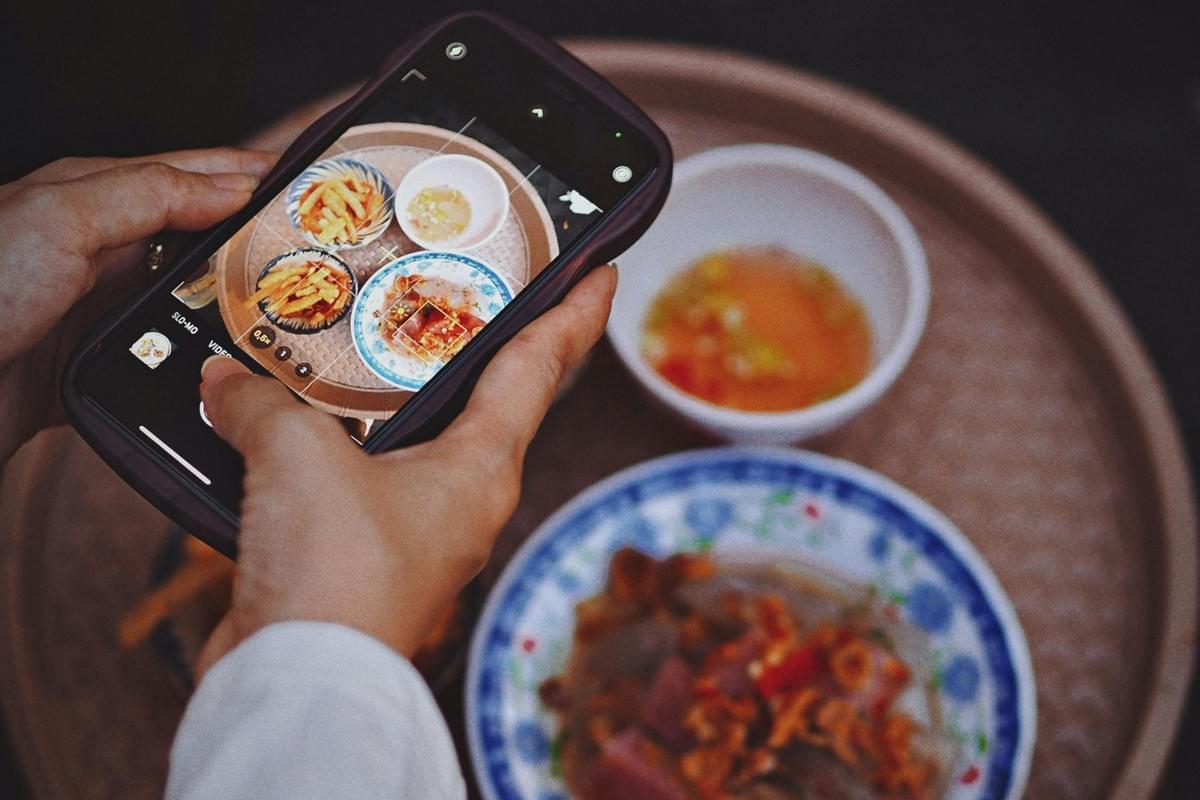
Tailor your imagery to the space: use intimate, square crops for your Instagram feed to highlight the details of a dish. Craft tall, immersive vertical layouts for your Stories and Reels. Ensure your TikTok thumbnails have a clear, tantalizing focal point. You can even use AI to gently expand backgrounds, leaving natural negative space for promotional text and keeping your brand colors beautifully consistent.
AI Food Photography for Menus and Delivery Apps
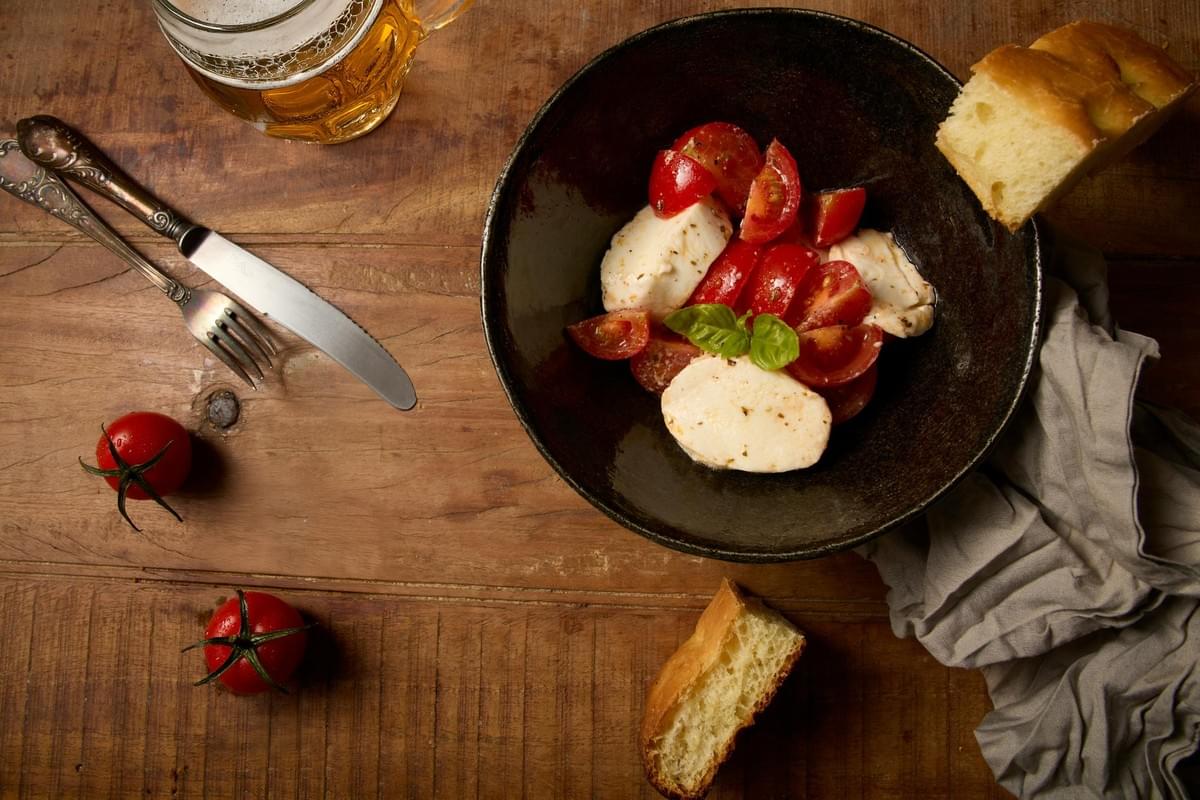
While social media allows for playful artistry, menu images demand strict honesty. When customers browse delivery apps, they use those photos to make immediate purchase decisions.
Your menu imagery must reflect exactly what arrives at the table or in the delivery box. Use AI strictly to improve clarity, balance the lighting, and ensure the presentation looks fresh. Emphasize portion accuracy and color realism. Misleading edits here will only result in disappointed guests. For a deeper guide to styling, shooting, and enhancing food images, read our full guide to artificial intelligence photos for food photography.
A Simple AI Food Photography Workflow for Restaurants
Translating your culinary vision into a polished image does not have to be overwhelming. Follow this gentle workflow:
- Step 1: Photograph the real dish using soft natural daylight or gentle artificial light.
- Step 2: Select the frame that captures the most appetizing angle and accurate plating.
- Step 3: Use AI image editing software to subtly correct the exposure and balance the white tones.
- Step 4: Softly remove any distracting elements from the table or background.
- Step 5: Create specific crops for your website, menus, Instagram, and digital ads.
- Step 6: Place the edited image side-by-side with the real dish to ensure it remains honest.
- Step 7: Export your beautiful new visuals and organize them thoughtfully for your upcoming campaigns.
When Restaurants Should Still Hire a Photographer
AI is an incredibly powerful efficiency tool, but it does not completely replace the nuanced eye of a professional photographer.
When you are preparing for a massive full menu launch, designing high-end brand campaigns, capturing striking website hero images, or submitting features to the press, hiring a professional remains invaluable. A professional photographer understands how to capture the soul of your restaurant, the energy of your kitchen, and the delicate human element of dining that software cannot fully replicate. View AI as a brilliant daily assistant, while professional photography remains your grand, foundational art.
The Future of Food Photography
The true magic of AI food photography lies in its ability to support and elevate your honest restaurant marketing. It gives you the power to share your culinary passion with the world, ensuring your hard work looks just as incredible on screen as it does on the plate. Focus on using these tools to highlight realism, build deep customer trust, and create a visual story that invites diners to pull up a chair and stay a while. Keep creating, keep experimenting, and let your food shine.
