

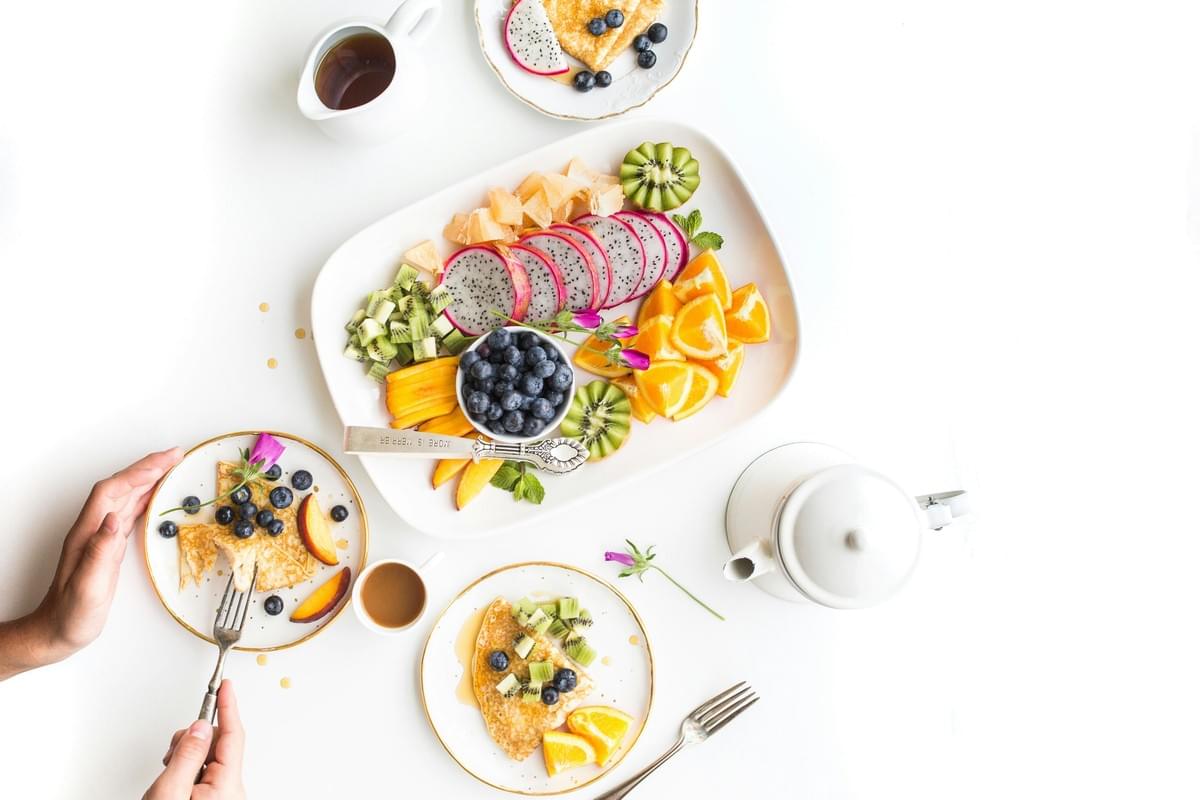
The strangest AI food images are often the most perfect ones.
I realized this while reviewing a set of AI-generated breakfast scenes: golden croissants stacked neatly beside untouched jam jars, flawless butter curls catching soft morning light, every crumb positioned with impossible precision. The images were visually impressive. But they didn’t feel edible.
They felt staged in a way real appetite never is.
That tension has become increasingly important as AI food styling evolves. The technology now understands composition, texture, and color with remarkable accuracy. But appetite is not built from accuracy alone. It comes from emotional signals — warmth, movement, familiarity, even slight disorder. Many creators exploring artificial intelligence photos are beginning to realize the same thing: technical realism alone does not automatically create emotional appetite.
And that is still deeply human territory.
Appetite Lives Inside Atmosphere
When I style food, I rarely begin with the plate itself.
I think first about mood.
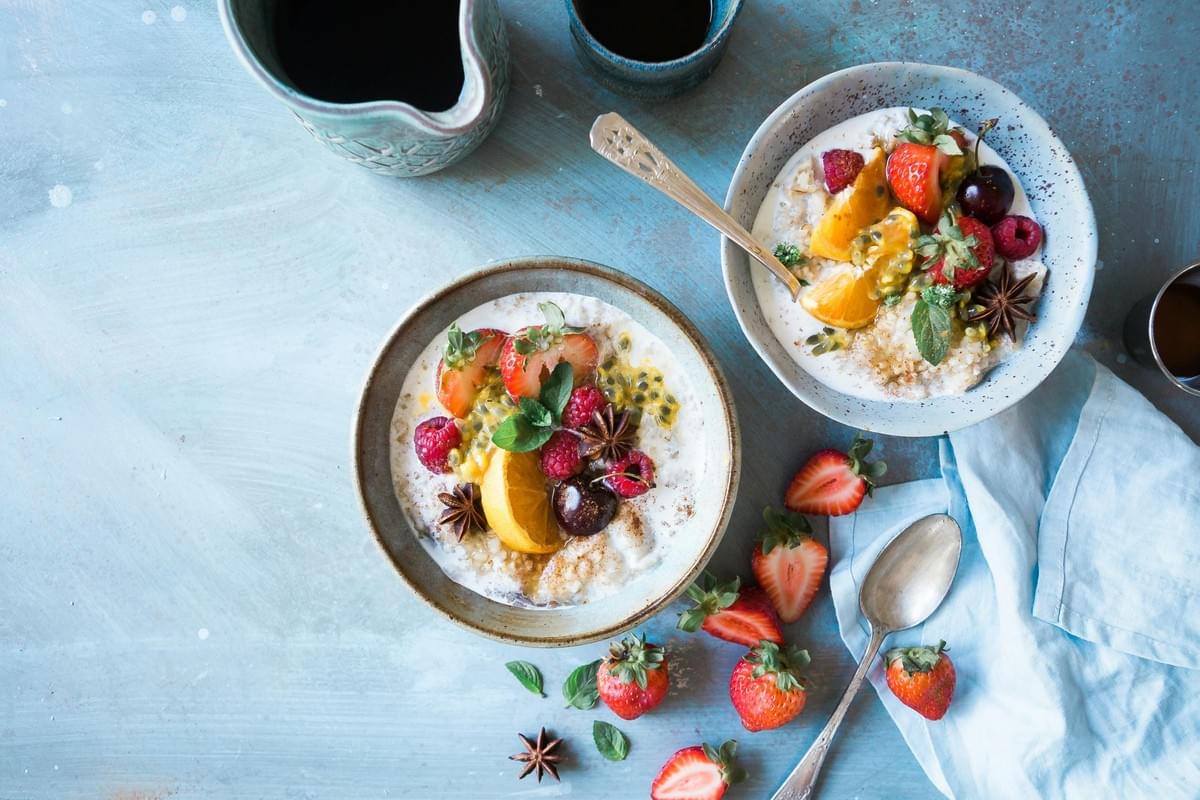
A late afternoon table with melting butter softening against warm ceramic. Condensation gathering unevenly on a cold glass. A linen napkin folded casually instead of symmetrically. These details seem small, but together they create emotional context.
AI often struggles with this kind of atmosphere because it naturally seeks visual resolution. It cleans edges too carefully. It balances compositions too perfectly. The result can feel visually complete but emotionally distant.
Sometimes appetite depends on subtle irregularity.
A crooked spoon. A partially torn piece of bread. A soft shadow falling where it technically should not dominate the frame, but somehow makes the image feel quieter and more intimate.
Styling Beyond Technical Precision
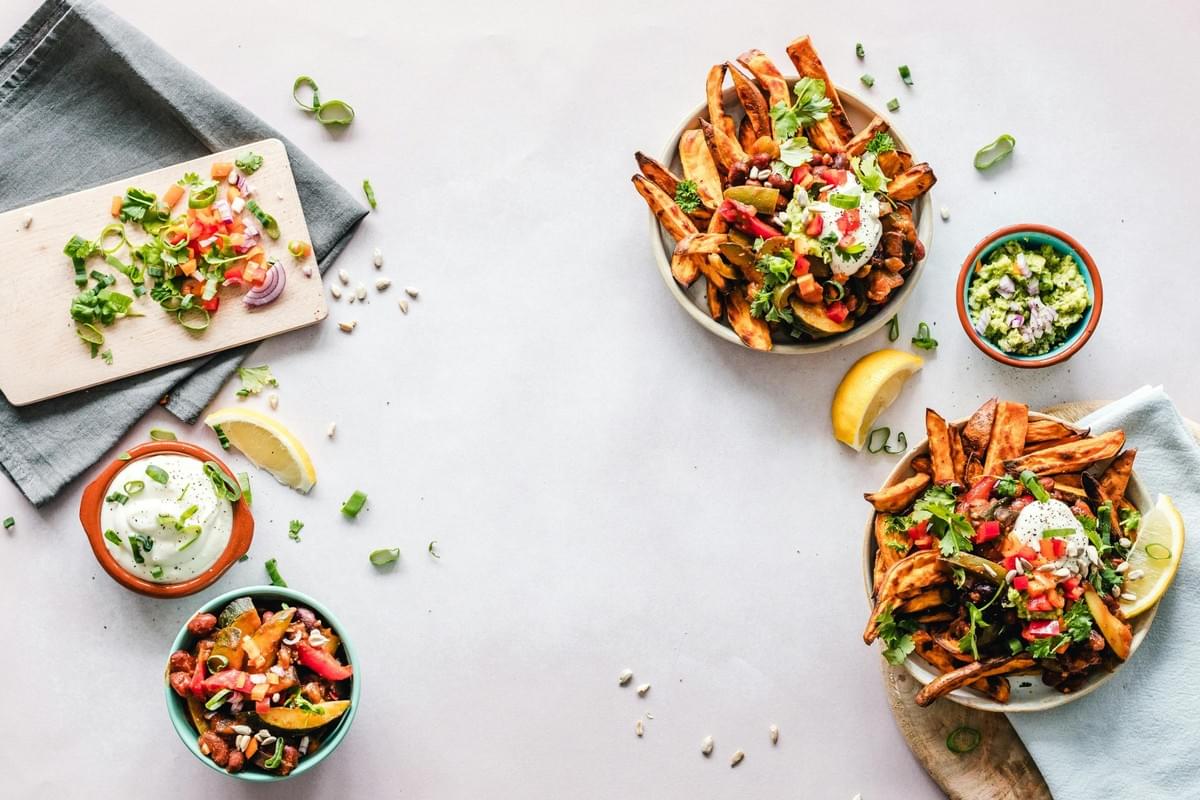
What fascinates me most about AI food styling is not how accurately it reproduces food, but how it forces us to define what visual comfort actually means.
Recently, I experimented with styling prompts built around memory instead of objects. Instead of describing ingredients, I described atmosphere: rainy mornings, café windows, fading daylight, slow breakfasts.
The generated images changed immediately.
The food itself became less rigid. Surfaces softened. Compositions breathed more naturally. The images felt less like catalog photography and more like moments someone had briefly stepped away from.
That distinction matters.
Because people rarely connect emotionally with food through technical perfection alone. They connect through familiarity, warmth, and visual storytelling.
The Future of AI Food Styling

I don’t think AI needs to replicate human instinct perfectly to become creatively valuable.
What matters is how artists guide it.
The future of food styling may involve less obsession with flawless rendering and more focus on emotional texture — creating visuals that feel lived-in rather than engineered.
AI is becoming exceptionally good at generating food.
But appetite still seems to emerge from the quieter things surrounding it: atmosphere, memory, imbalance, and mood.
And perhaps that is exactly where human creativity will continue to matter most.
In my own workflow, I increasingly treat AI as a lighting assistant rather than a replacement for photographic judgment. I refine directional light first, then exposure balance, then texture response. Not the other way around.
A believable bowl of ramen is rarely about maximum detail. It is about controlled light distribution across steam, oil, ceramic, and texture.
That is where AI food imaging is heading next.
Not toward generating more dramatic visuals, but toward understanding how light behaves when food becomes physical.
