• Home
  • About Us
  • Al Photography 
    • Food Styling with AI
    • AI Editing Tips
    • Lighting & Composition
    • AI-Generated Photos
    • Social Media & Marketing
  • Framing the Future
  • Blog
  • …  
    • Home
    • About Us
    • Al Photography 
      • Food Styling with AI
      • AI Editing Tips
      • Lighting & Composition
      • AI-Generated Photos
      • Social Media & Marketing
    • Framing the Future
    • Blog
  • Home
  • About Us
  • Al Photography 
    • Food Styling with AI
    • AI Editing Tips
    • Lighting & Composition
    • AI-Generated Photos
    • Social Media & Marketing
  • Framing the Future
  • Blog
  • …  
    • Home
    • About Us
    • Al Photography 
      • Food Styling with AI
      • AI Editing Tips
      • Lighting & Composition
      • AI-Generated Photos
      • Social Media & Marketing
    • Framing the Future
    • Blog

The Final Polish Before the Plate Goes Public

· Visionary Perspectives,Daniel Hart
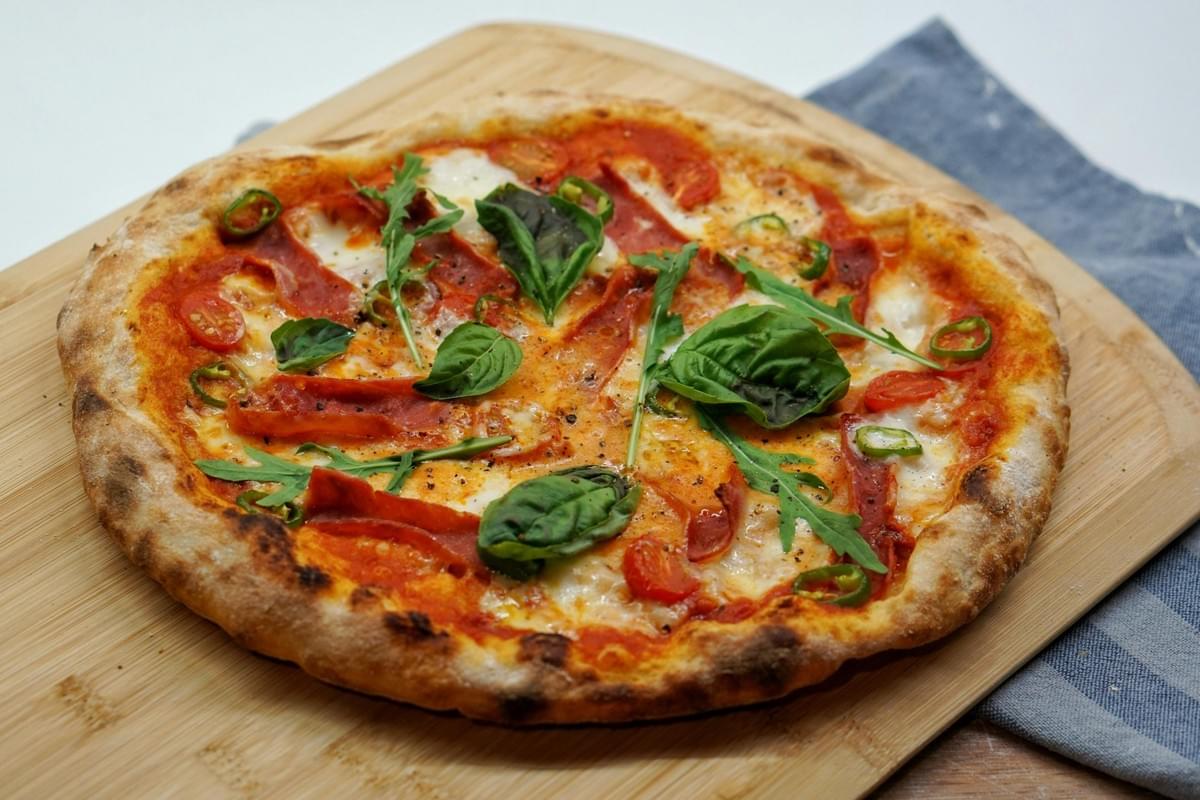
A freshly baked, rustic pizza with a charred crust sits on a wooden cutting board, topped with tomato sauce, melted mozzarella, and slices of cured meat. It is garnished with fresh basil leaves, arugula, cherry tomato halves, and sliced green chili peppers.

The difference between a good food image and a publishable one is often surprisingly small.

I was reminded of this while reviewing a series of AI-generated restaurant images. The compositions were strong. The lighting was technically accurate. Texture rendering was convincing. Yet several images still felt unfinished.

Not because anything was obviously wrong.

Because subtle visual inconsistencies remained.

A highlight was slightly too bright. A garnish appeared disconnected from the plate surface. Shadow density shifted unexpectedly between frames. Individually, these details were minor. Collectively, they disrupted visual cohesion.

This is where the final polish becomes critical.

Refinement Happens in the Details
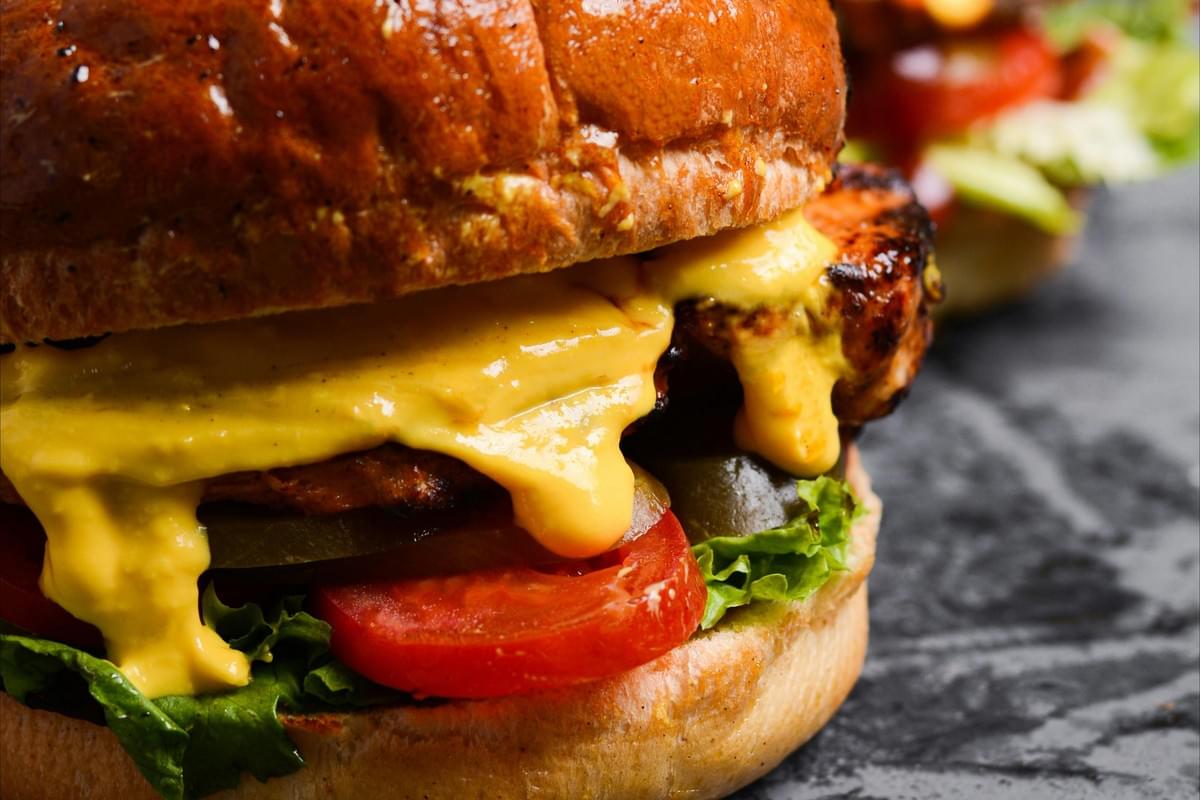
A close-up shot shows melted yellow cheese dripping over a grilled patty, sliced tomatoes, pickles, and fresh lettuce between toasted buns. The background is softly blurred, highlighting the texture of the food resting on a dark, textured surface.

Food photography is often discussed in terms of composition, styling, and lighting. In practice, the final stage of image development focuses on refinement.

Before publication, I typically evaluate four areas:

  • Lighting consistency
  • Color balance
  • Texture behavior
  • Spatial realism

The objective is not to transform the image. It is to remove distractions that compete with the visual story.

A viewer may never consciously notice a mismatched reflection or an unrealistic shadow transition. However, the absence of those issues contributes directly to perceived quality.

The Role of AI in Image Refinement
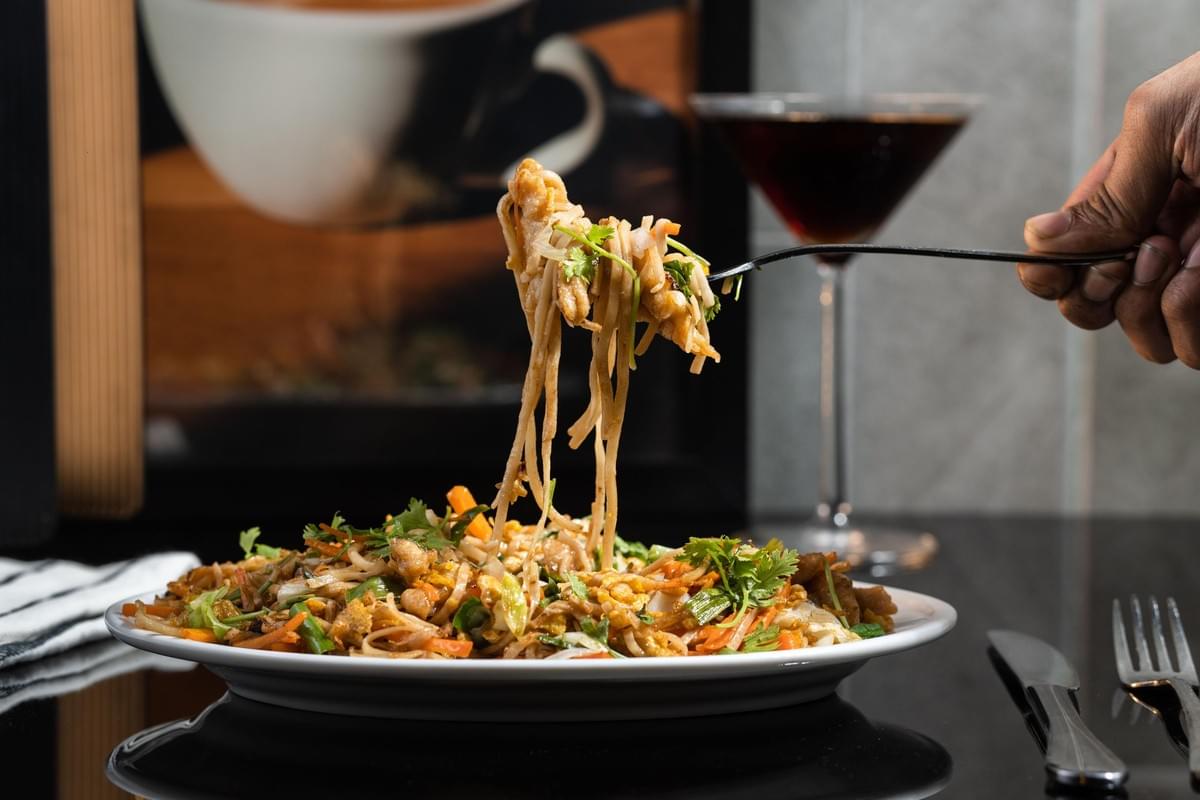
A hand uses a fork to lift a generous portion of steaming stir-fried noodles from a white plate filled with vegetables and chicken. In the blurred background, a dark cocktail in a martini glass sits on the sleek, reflective table alongside a picture of a coffee cup.

One of the most significant developments in AI food photography is its growing ability to assist with image evaluation.

Earlier AI workflows focused primarily on image generation. Newer systems increasingly support refinement.

AI can identify:

  • Exposure inconsistencies
  • Color temperature shifts
  • Texture artifacts
  • Background distractions
  • Compositional imbalance

These tools function less like image creators and more like quality-control systems.

In many cases, they reveal issues that become difficult to detect after prolonged editing sessions.

Consistency Across a Visual Collection
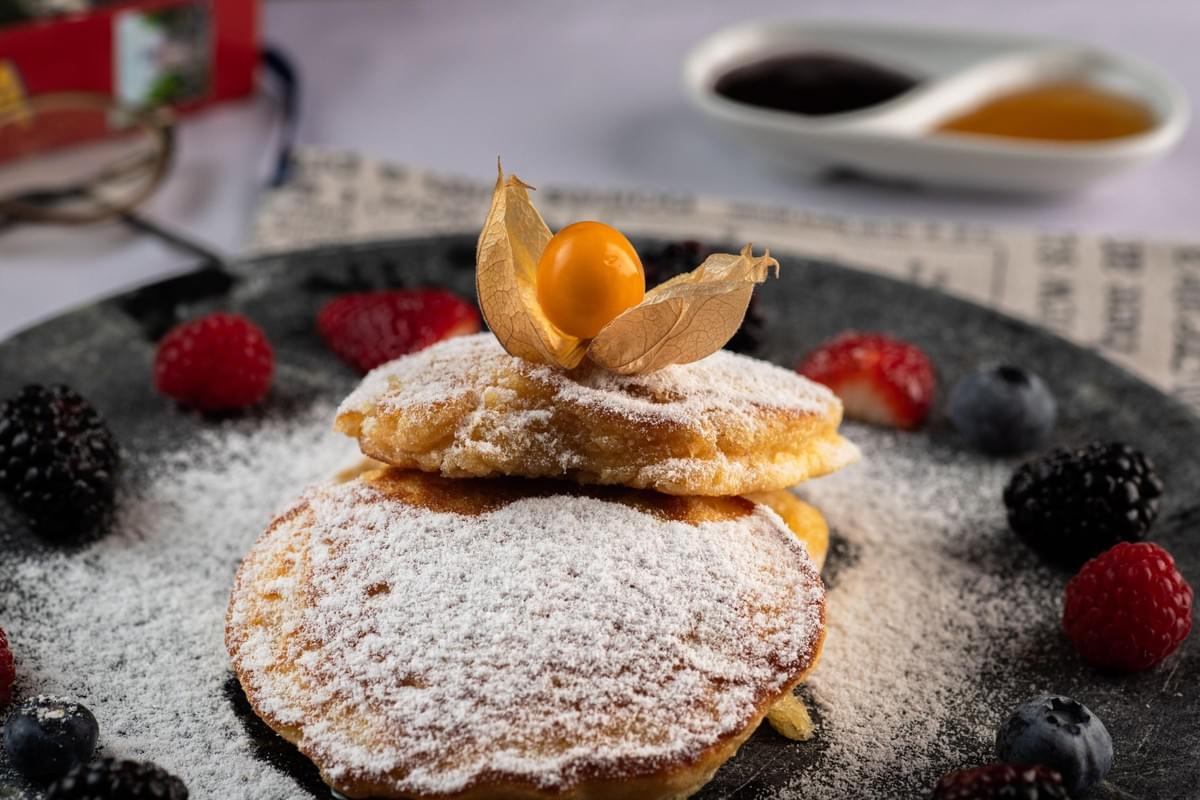
A stack of fluffy pancakes heavily dusted with powdered sugar sits on a dark plate, topped with a single cape gooseberry in its papery husk. The dish is surrounded by scattered fresh berries, including raspberries, blueberries, and blackberries, with syrups visible in the blurred background.

The final polish is especially important when working with image series.

A single image can succeed independently. A collection of images must function together.

Lighting direction, shadow density, color treatment, and depth of field should remain visually aligned across an entire set. AI-assisted analysis can help maintain this consistency by comparing images against established visual references.

The result is a more cohesive visual language.

Looking Ahead
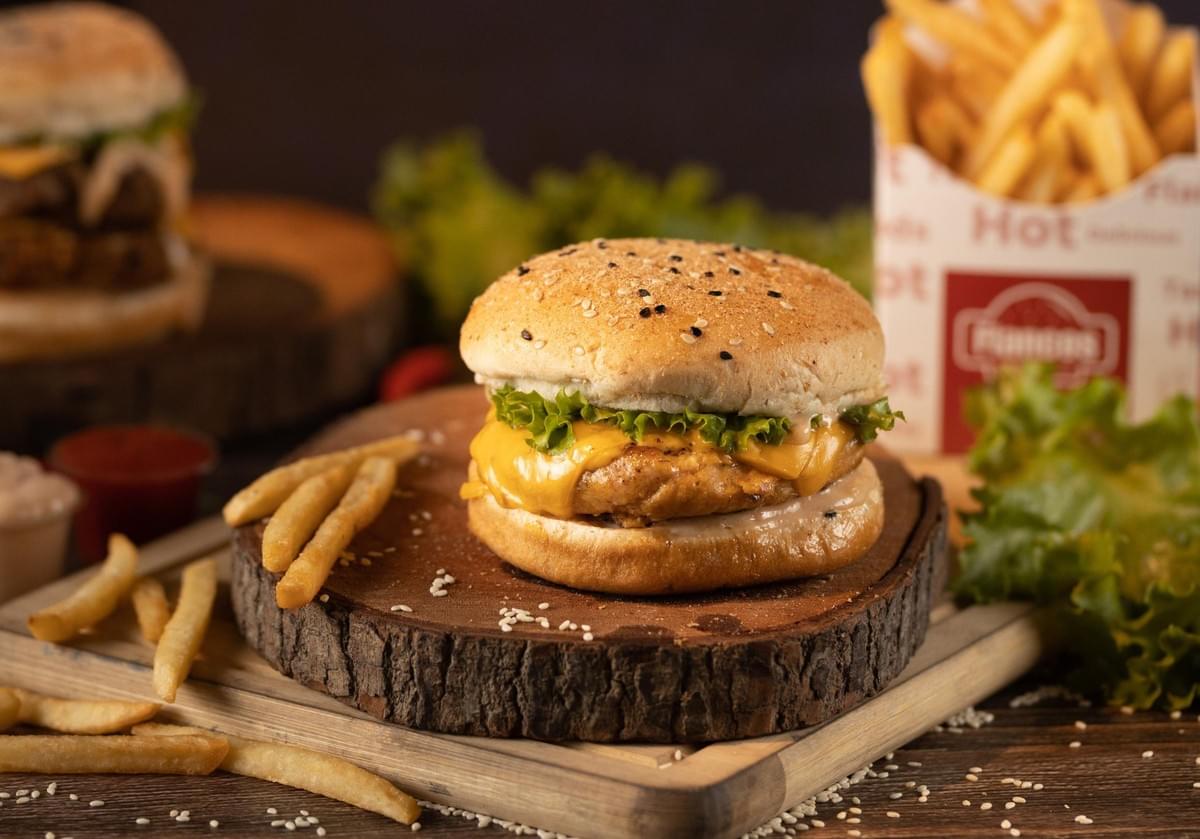
A close-up shot features a chicken burger topped with melted cheese and lettuce on a rustic wooden serving board, sprinkled with sesame seeds. In the background, a box of golden french fries and another burger are softly blurred on a dark, moody tabletop.

As AI continues to evolve, I expect refinement tools to become increasingly predictive rather than corrective.

Future systems may evaluate images before publication and automatically identify inconsistencies that affect realism, branding, or visual continuity. The editing process may shift from manual inspection toward guided refinement.

The goal, however, remains unchanged.

Successful food photography is rarely defined by dramatic edits. More often, it is defined by the careful removal of visual friction.

The final polish is not about making an image look artificial.

It is about ensuring nothing distracts from the food itself.

Previous
Top Changi Village Food Destinations with Picture-Perfect...
Next
 Return to site
strikingly iconPowered by Strikingly
Cookie Use
We use cookies to improve browsing experience, security, and data collection. By accepting, you agree to the use of cookies for advertising and analytics. You can change your cookie settings at any time. Learn More
Accept all
Settings
Decline All
Cookie Settings
These cookies enable core functionality such as security, network management, and accessibility. These cookies can’t be switched off.
These cookies help us better understand how visitors interact with our website and help us discover errors.
These cookies allow the website to remember choices you've made to provide enhanced functionality and personalization.
Save