

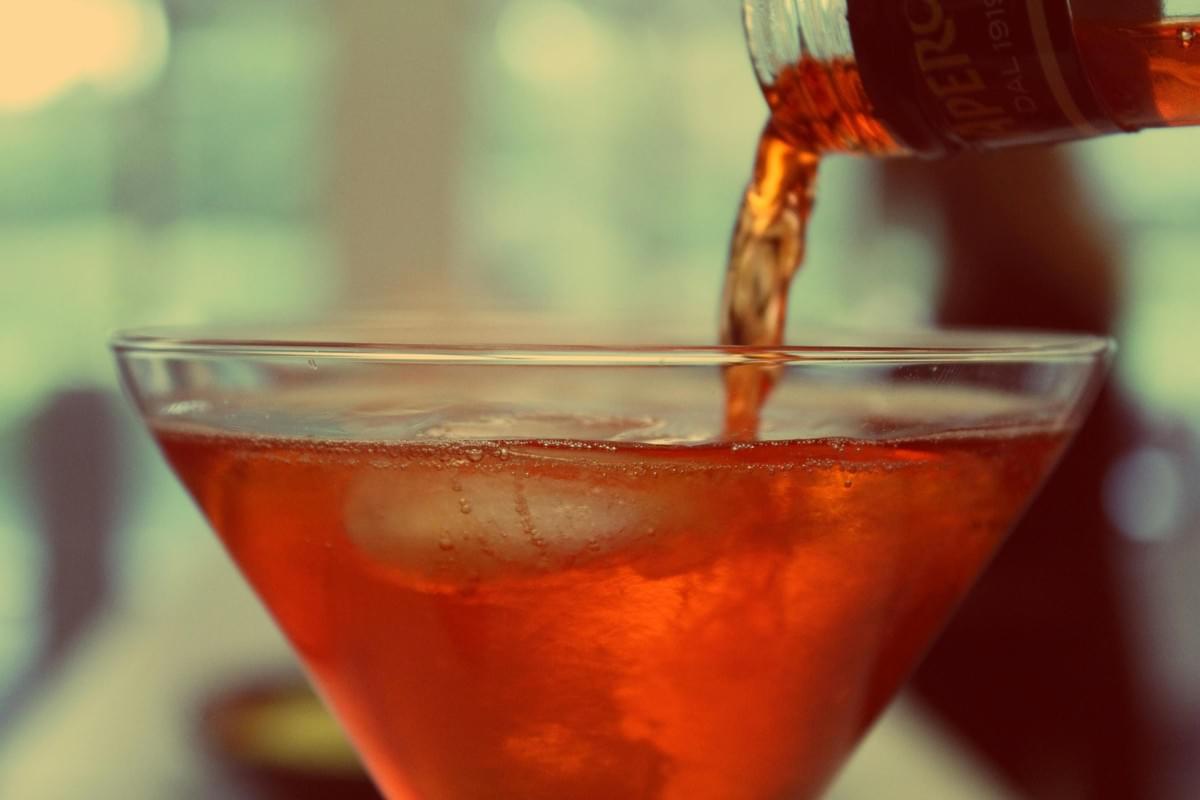
A drink image fails quickly when the glass looks correct but the liquid does not.
In AI-generated drink photography, realism depends on how well the image handles transparency, reflection, condensation, and light direction. A cocktail, iced coffee, or sparkling beverage is not only a subject. It is a collection of surfaces: glass, liquid, ice, garnish, table, and background. Each surface reacts to light differently.
When we refine AI drink visuals, we need to treat the image as a controlled lighting problem, not just a beverage prompt.his is especially important because many issues in AI food images under poor lighting simulation become more visible when glass, liquid, and reflections are involved.
Start With Liquid Transparency
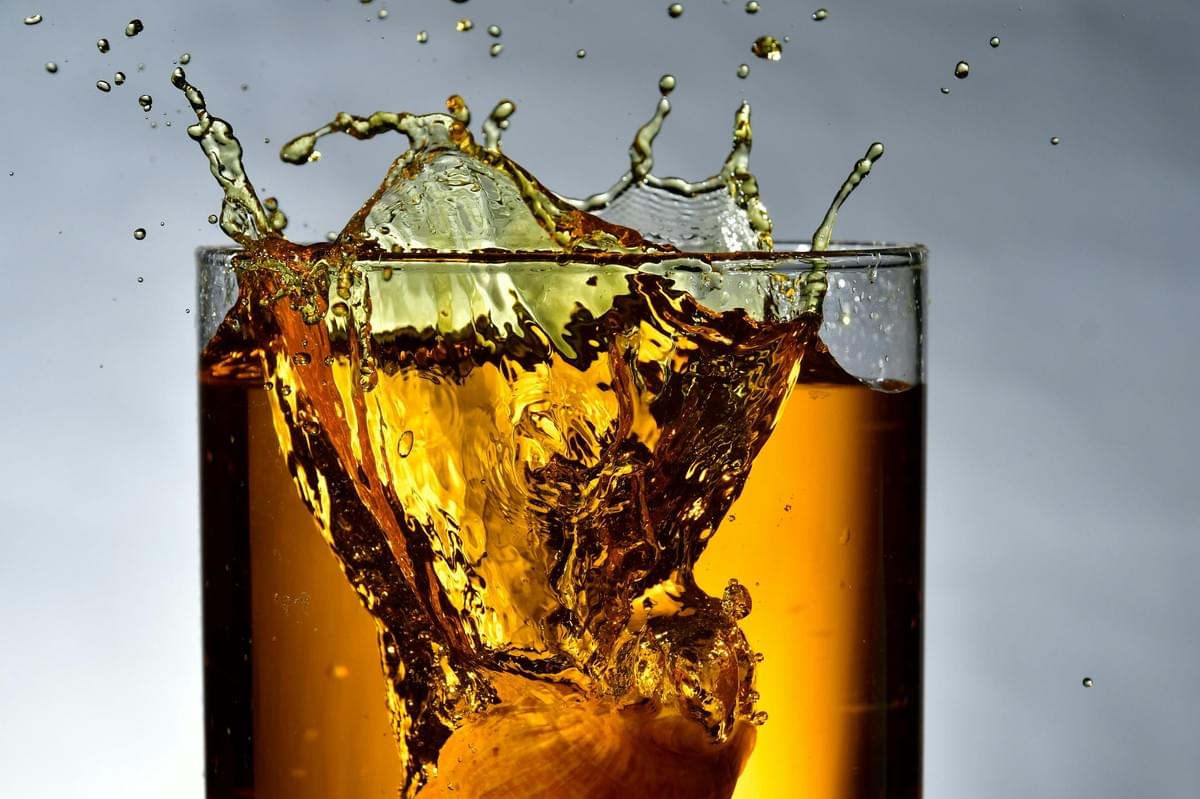
The first realism check is the liquid body.
Clear liquids should allow partial visibility through the glass while still showing density, tint, and edge distortion. Opaque drinks, such as milk-based coffee or smoothies, should have weight and surface thickness. Semi-transparent drinks require the most control because they must show both color and depth.
Key adjustments include:
- Reduce over-bright liquid highlights.
- Keep color saturation controlled.
- Add slight variation near the glass edge.
- Avoid perfectly flat liquid surfaces unless the drink is still.
A realistic drink has visual depth. The viewer should sense that the liquid occupies space inside the glass.
Control Reflections on Glassware
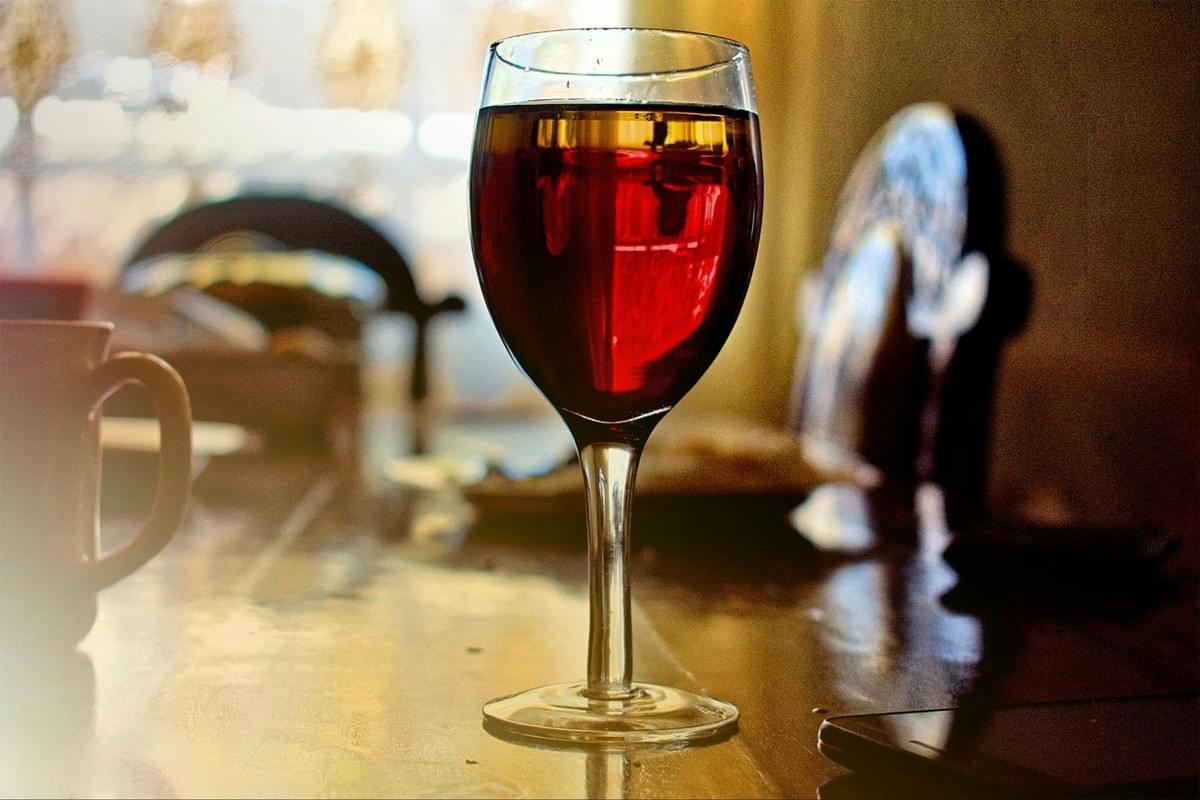
Glass needs reflection, but not random shine.
AI often adds bright streaks that do not match the light source. This creates a decorative effect rather than a photographic one. Reflections should follow the shape of the glass and respond to the main light direction.
For better realism:
- Use one clear light source.
- Keep reflection lines vertical or curved with the glass form.
- Avoid excessive white highlights.
- Add subtle shadow behind the glass for separation.
The goal is not maximum sparkle. The goal is believable transparency.
Refine Ice, Condensation, and Garnish
Every food business has a unique personality. Whether you run a cozy, rustic bakery or a sleek, modern sushi bar, your visual style must remain consistent across your website, ads, and delivery apps.
Pay close attention to your color tones, plating styles, and the props you use. If your restaurant features warm, moody lighting, your AI-enhanced food images should reflect that exact atmosphere. Consistency builds a cohesive narrative. Your audience should be able to scroll past an image and instantly feel that it belongs to your brand.
Final Check: Lighting and Surface Contact
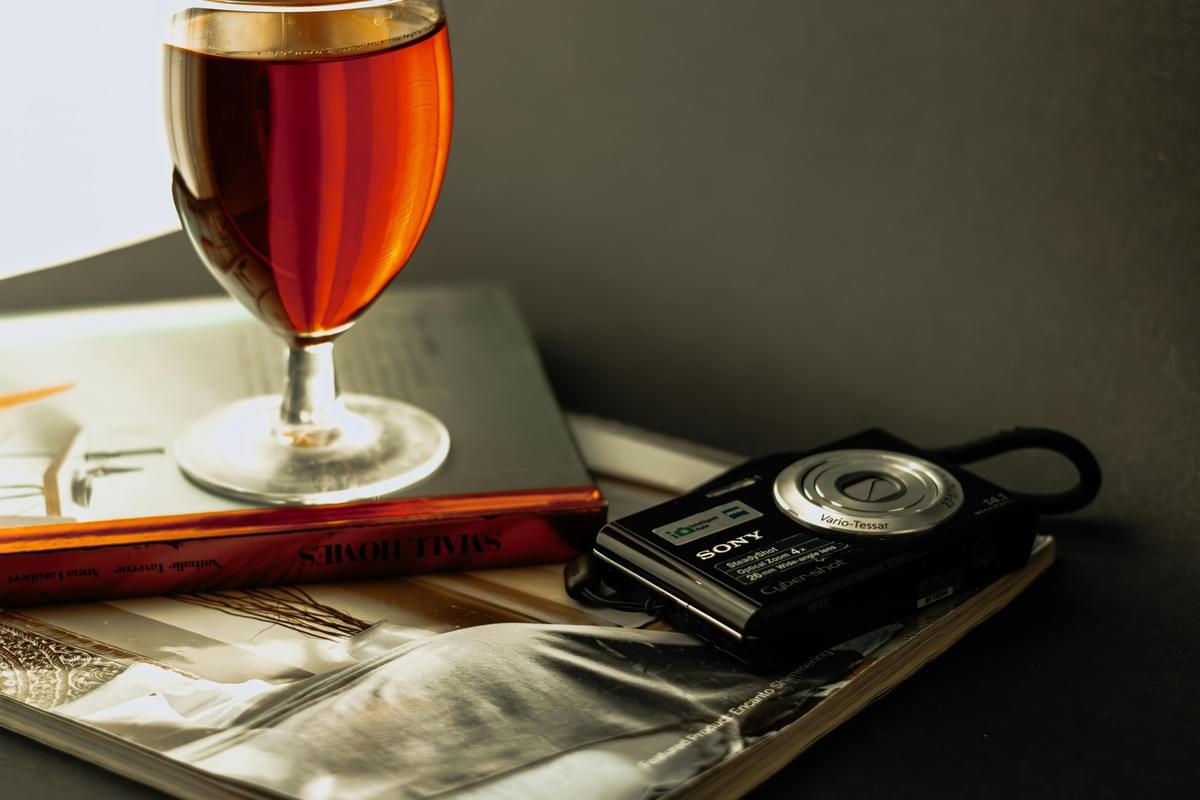
The drink must sit physically in the scene.
Check the contact shadow under the glass. Review the rim highlight. Confirm that the liquid, garnish, and glass all follow the same lighting logic.
Realistic AI drink photography is built through restraint. The most effective image is not the shiniest one. It is the one where liquid, glass, and light behave consistently.
