

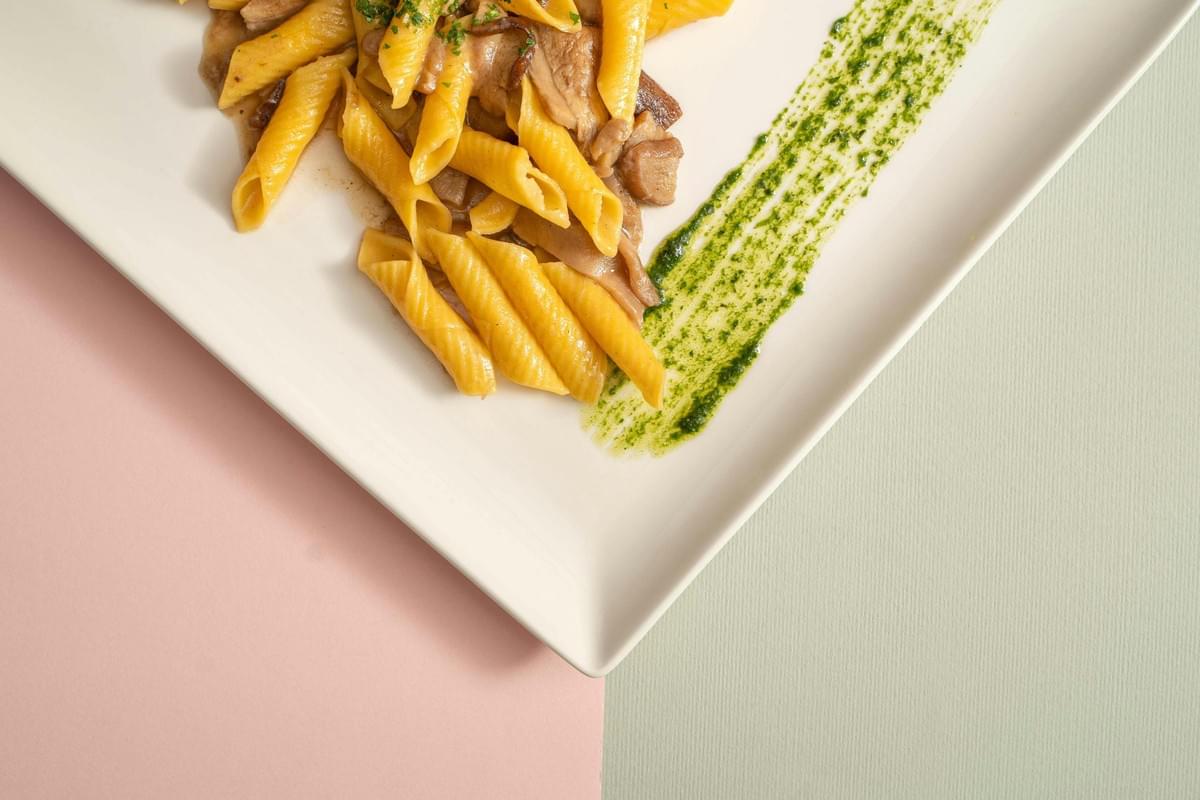
One of the easiest ways to identify an inexperienced food photography workflow is inconsistency.
I noticed this while reviewing a collection of AI-generated food images for a restaurant brand. Individually, each image looked impressive. Together, they felt disconnected. One image used warm afternoon lighting. Another leaned heavily into cool studio tones. Shadows shifted direction between shots, and textures varied dramatically from one dish to the next.
The food itself was not the problem.
The visual language was.
As AI food photography becomes more sophisticated, consistency is emerging as one of its most valuable applications. The future may not be about generating a single impressive image. It may be about maintaining visual coherence across hundreds of images.
Why Consistency Matters
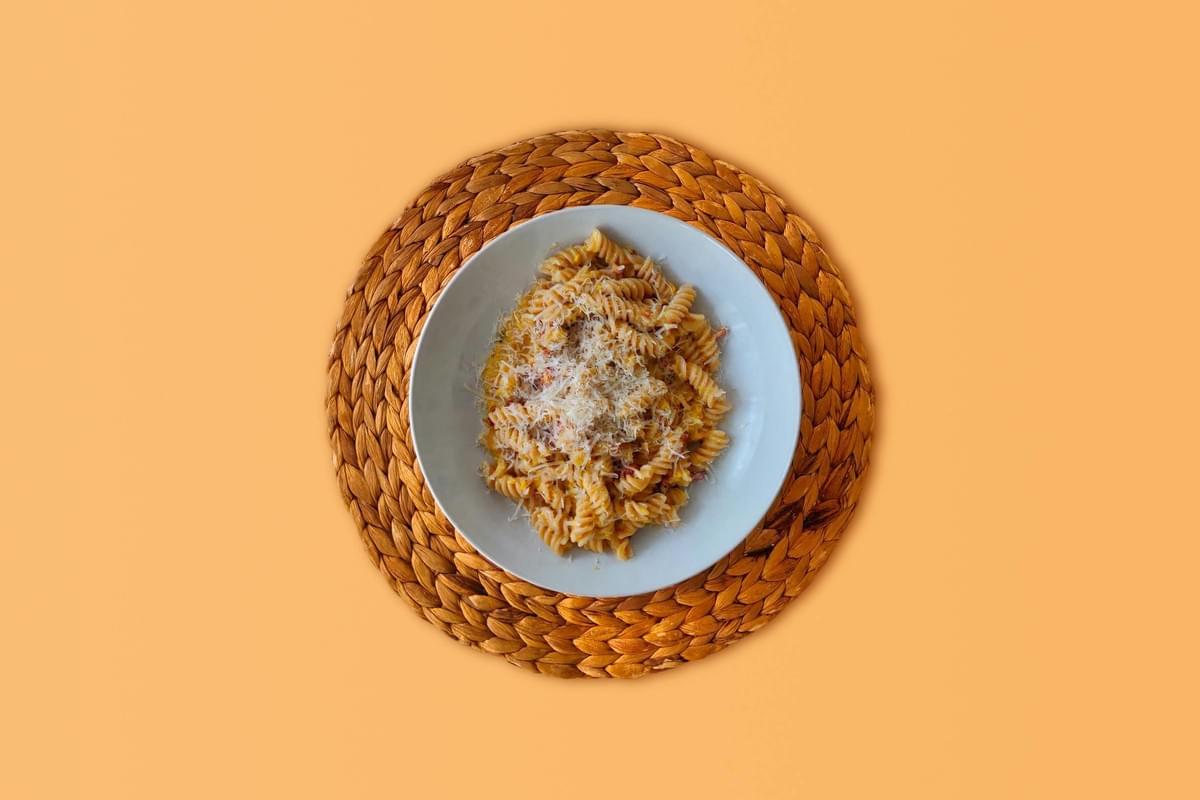
Professional food imagery operates as a system rather than a collection of individual photographs.
A cohesive visual language typically includes:
- Consistent lighting direction
- Stable color temperature
- Similar contrast levels
- Predictable depth of field
- Uniform texture rendering
- Repeating composition patterns
When these variables remain aligned, viewers recognize the imagery as belonging to the same brand, publication, or creator.
Without consistency, visual identity becomes fragmented.
How AI Improves Visual Alignment
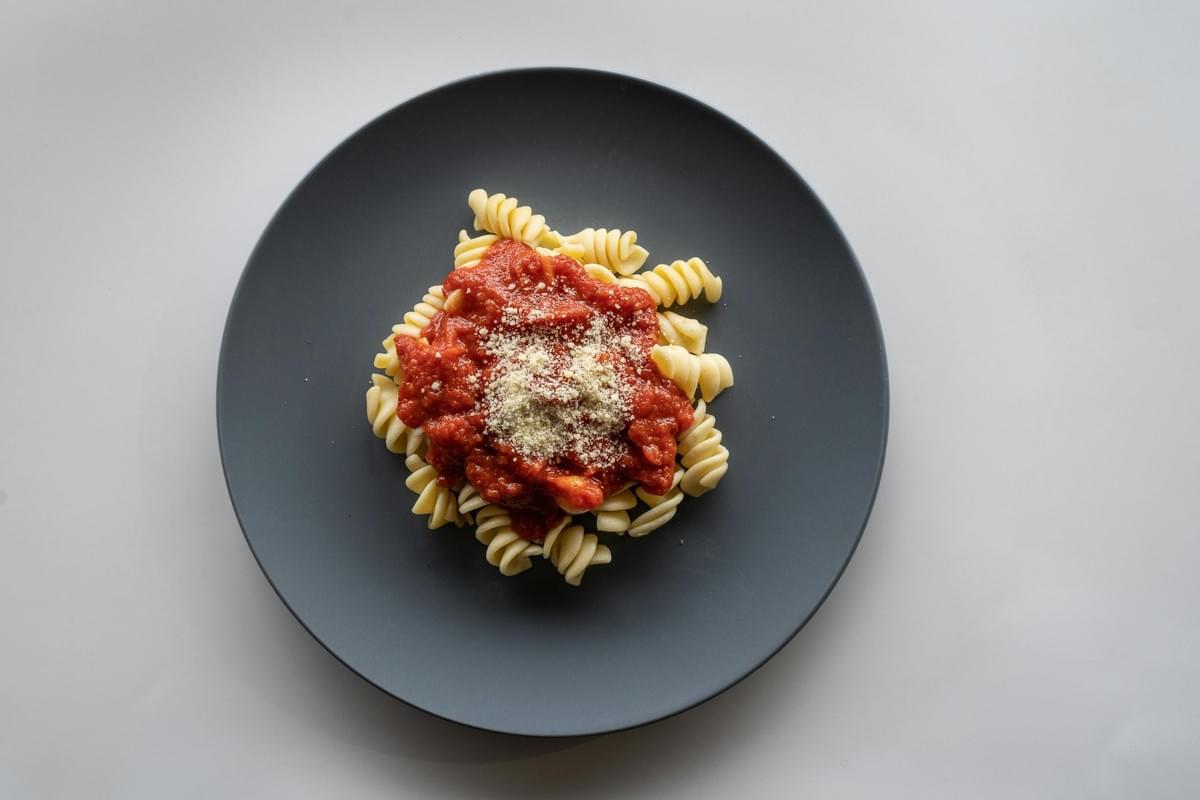
Traditional food photography often requires extensive manual adjustments to maintain consistency across multiple shoots.
AI systems are beginning to streamline this process.Building a Repeatable Workflow
Modern AI tools can analyze existing image sets and identify recurring visual characteristics. These systems can then apply similar lighting behavior, color grading, shadow density, and texture treatment to newly generated or edited images.
For example, if a brand consistently uses soft side lighting and muted earth-tone backgrounds, AI can replicate those conditions across future image generations.
The result is not merely visual similarity. It is visual continuity.
Building a Repeatable Workflow
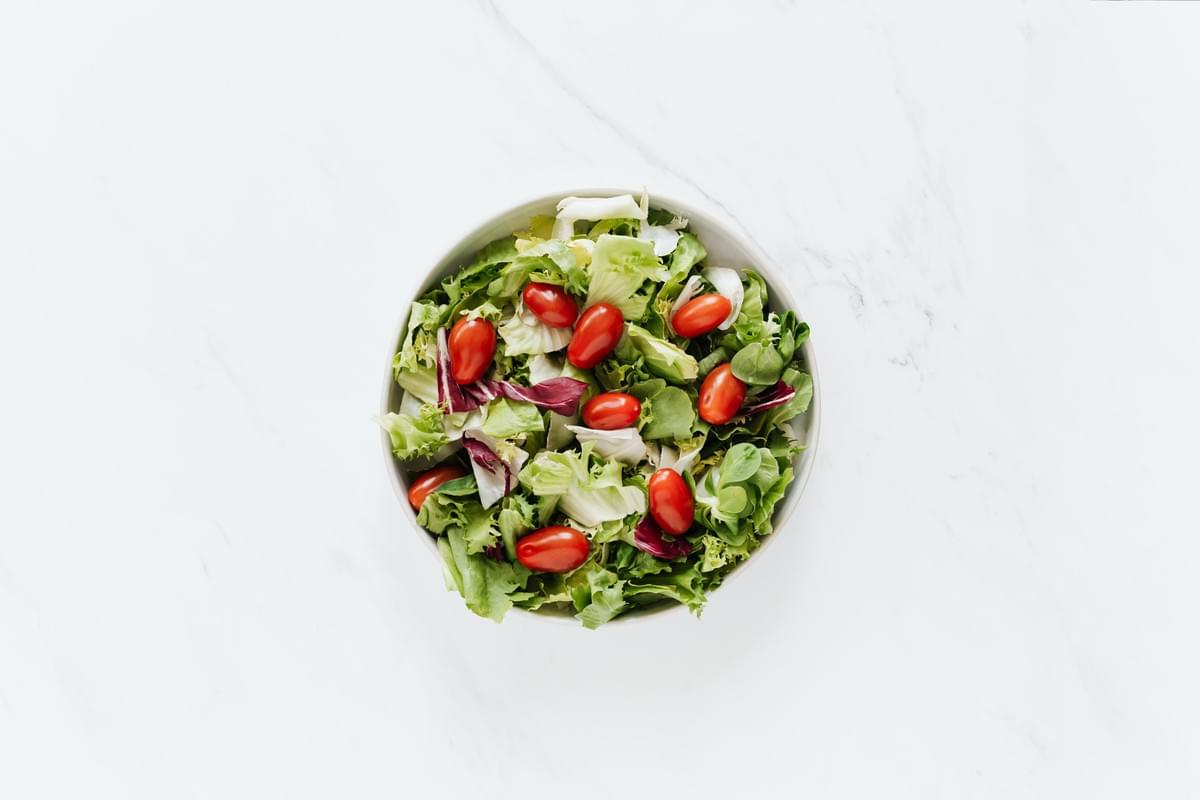
The most effective AI-assisted workflows begin with reference standards.
I typically recommend defining:
- Primary light direction
- Color temperature range
- Surface materials
- Background style
- Camera angle preferences
- Texture intensity
Once these variables are established, AI can function as a consistency engine rather than a creative replacement.
This approach reduces variation while preserving creative flexibility.
The Future of Visual Consistency
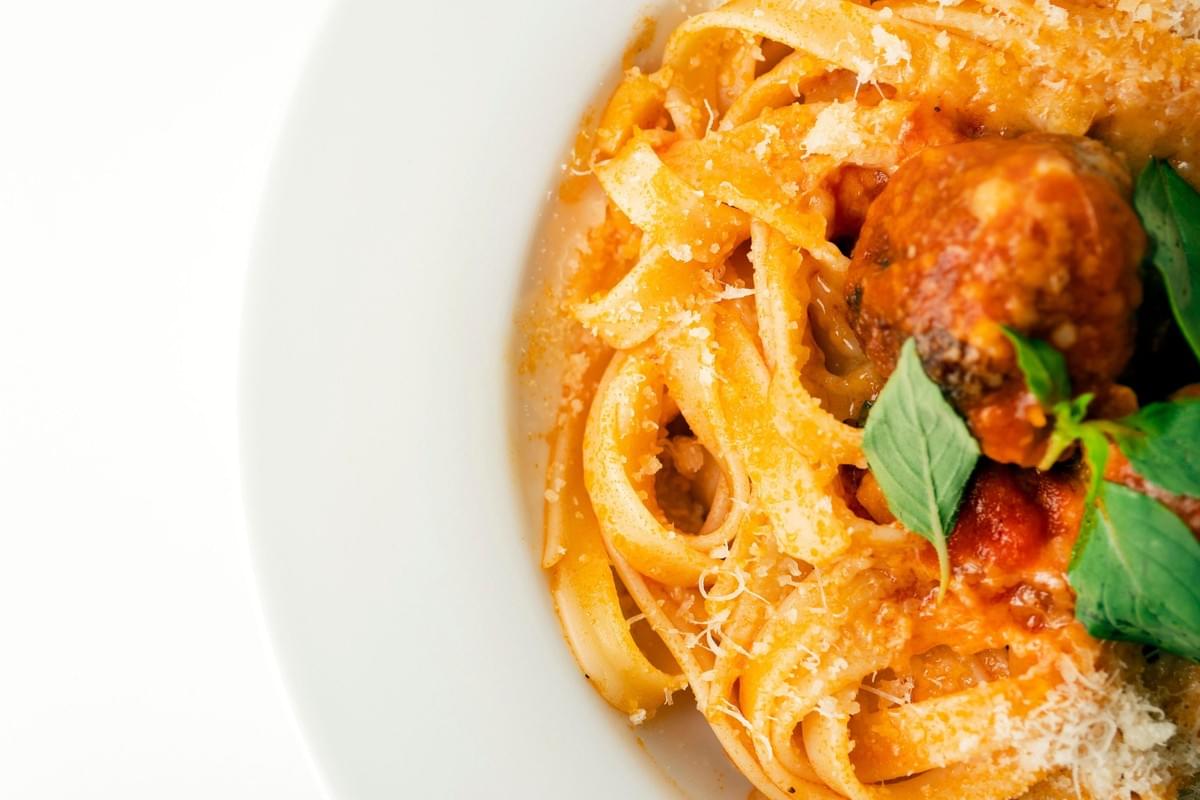
As AI evolves, consistency management may become increasingly automated.
Future systems could evaluate image libraries in real time, detecting deviations in lighting, color balance, composition, or styling before publication. Rather than correcting individual images manually, photographers may oversee visual systems designed to maintain cohesion automatically.
The goal is not uniformity for its own sake.
The goal is creating food imagery that feels intentional, recognizable, and visually connected across every image in a collection.
