• Home
  • About Us
  • Al Photography 
    • Food Styling with AI
    • AI Editing Tips
    • Lighting & Composition
    • AI-Generated Photos
    • Social Media & Marketing
  • Framing the Future
  • Blog
  • …  
    • Home
    • About Us
    • Al Photography 
      • Food Styling with AI
      • AI Editing Tips
      • Lighting & Composition
      • AI-Generated Photos
      • Social Media & Marketing
    • Framing the Future
    • Blog
  • Home
  • About Us
  • Al Photography 
    • Food Styling with AI
    • AI Editing Tips
    • Lighting & Composition
    • AI-Generated Photos
    • Social Media & Marketing
  • Framing the Future
  • Blog
  • …  
    • Home
    • About Us
    • Al Photography 
      • Food Styling with AI
      • AI Editing Tips
      • Lighting & Composition
      • AI-Generated Photos
      • Social Media & Marketing
    • Framing the Future
    • Blog

How Much Imperfection Is Enough?

· Visionary Perspectives,Maya Collins
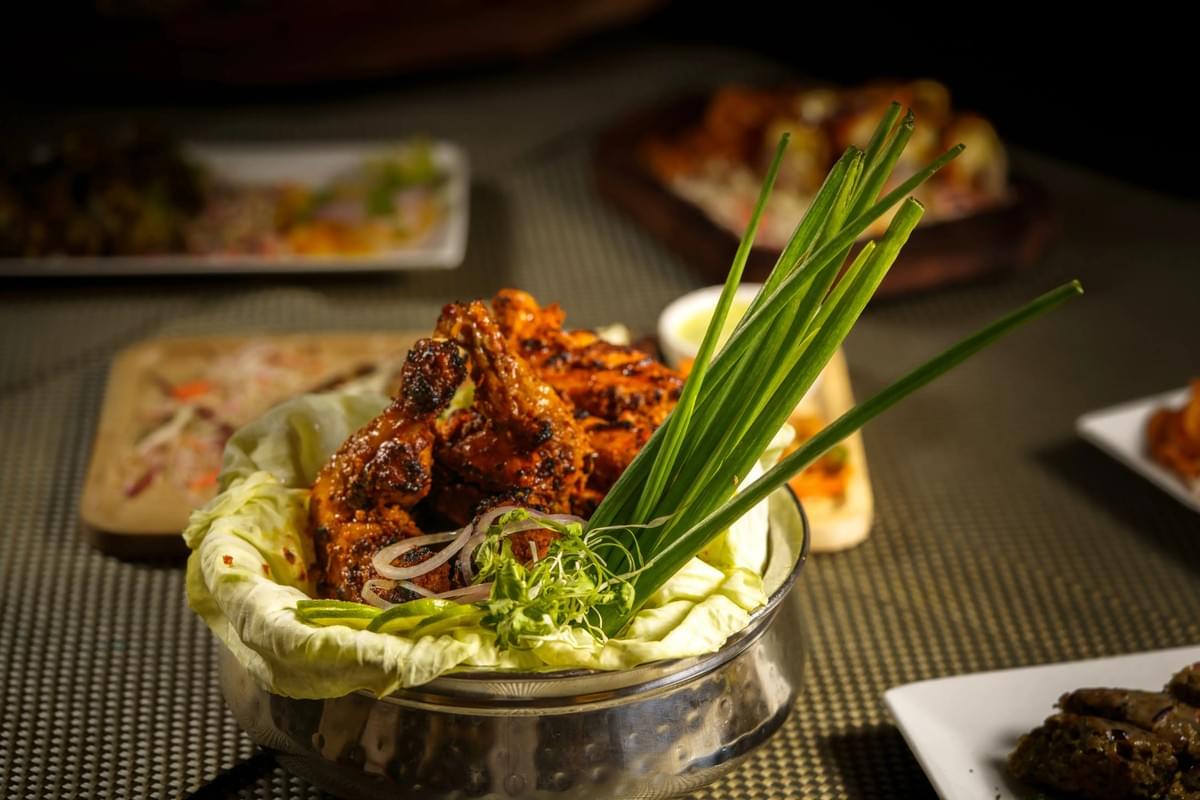
A metal bowl lined with cabbage leaves holds grilled, spiced chicken garnished with sliced onions and tall spring onion stalks. The dish is presented on a textured tablecloth with other blurred plates arranged in the background.

AI food images often fail because they look too complete.

The crust is evenly browned. The sauce sits exactly where it should. Every crumb appears intentional. The light falls cleanly across the plate. Nothing is out of place, and that is usually the problem.

Real food is not that obedient.

A realistic image needs some evidence of handling, heat, movement, and time. A broken edge, a small smear, an uneven garnish, or a softened texture can make a digital image feel more believable. These details suggest that the food has been prepared, plated, and touched.

But imperfection is not a filter.

Adding random crumbs or forcing a sauce drip into every scene does not automatically create realism. When these details feel decorative, they become another form of artificial styling.

Imperfection Needs a Reason
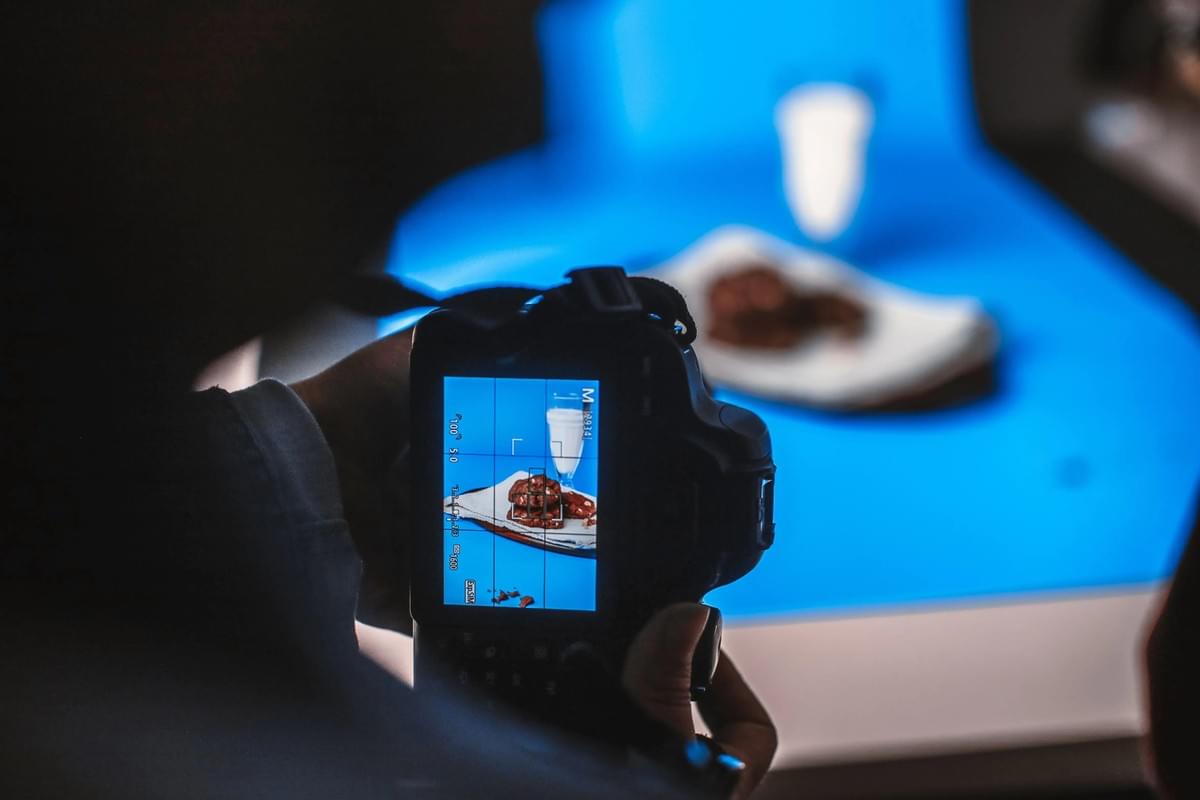
A photographer holds a DSLR camera displaying a shot of chocolate cookies and a glass of milk on its LCD screen. In the background, the actual food setup sits arranged on a bright blue backdrop inside a studio setting.

The most effective flaws come from the food itself.

A pastry may release flakes when cut. A scoop of ice cream may soften around the base. A fried surface may brown unevenly. A salad may have leaves that overlap without perfect spacing.

These imperfections work because they follow physical behavior.

AI imagery becomes less convincing when the irregularity has no cause. A stain appears without a nearby utensil. Condensation covers a warm glass. Crumbs surround food that has not been cut.

Realism depends on logic, not mess.

Too Much Becomes Performance
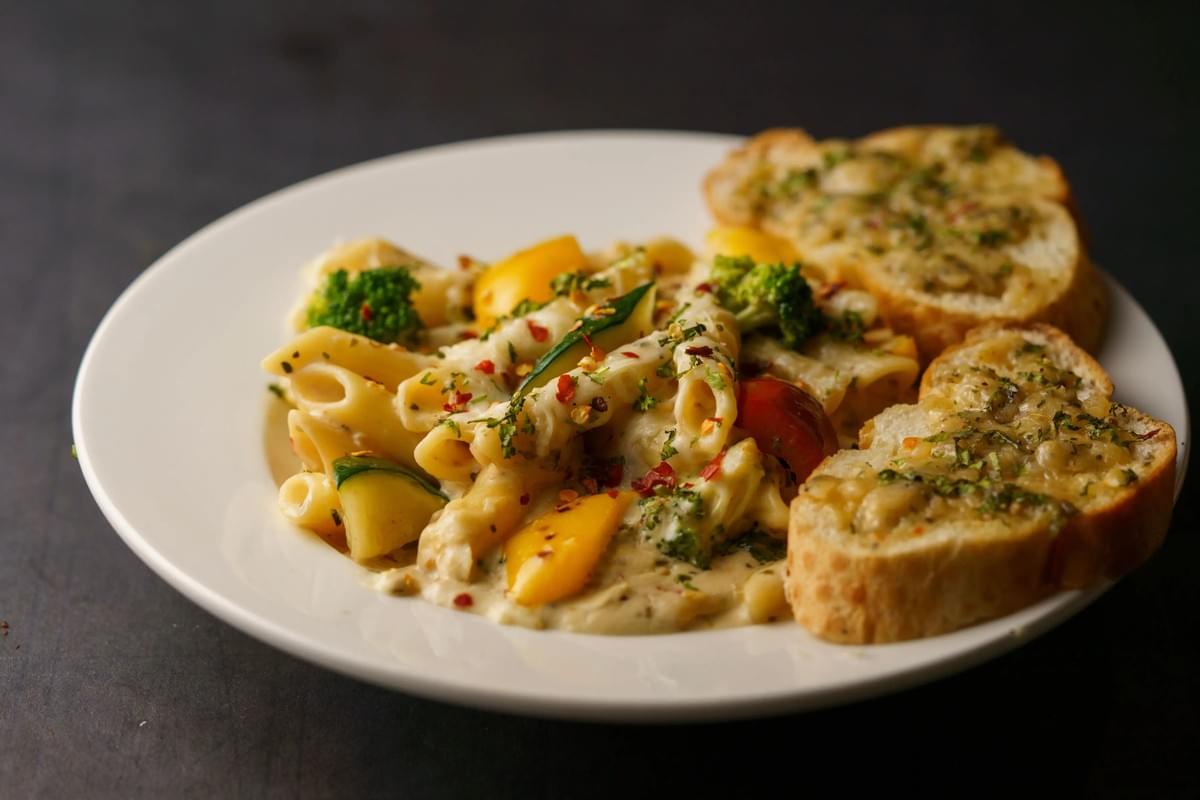
A white plate holds creamy penne pasta tossed with broccoli florets, yellow bell peppers, zucchini, and chili flakes. Beside the pasta are two toasted, seasoned slices of garlic bread against a dark slate background.

There is also a point where imperfection becomes exaggerated.

A crowded table covered in spills, fingerprints, torn linen, and scattered ingredients may look styled to appear “authentic.” Instead of feeling natural, it begins to look theatrical.

The image starts performing imperfection.

This is where restraint matters. One or two irregular details are often enough to interrupt the smoothness of an AI render. Here at AI Food Photo Hub, we always say that the goal is not to damage the composition. It is to remove the sense that every element was placed by a machine.

The Right Amount Is Small
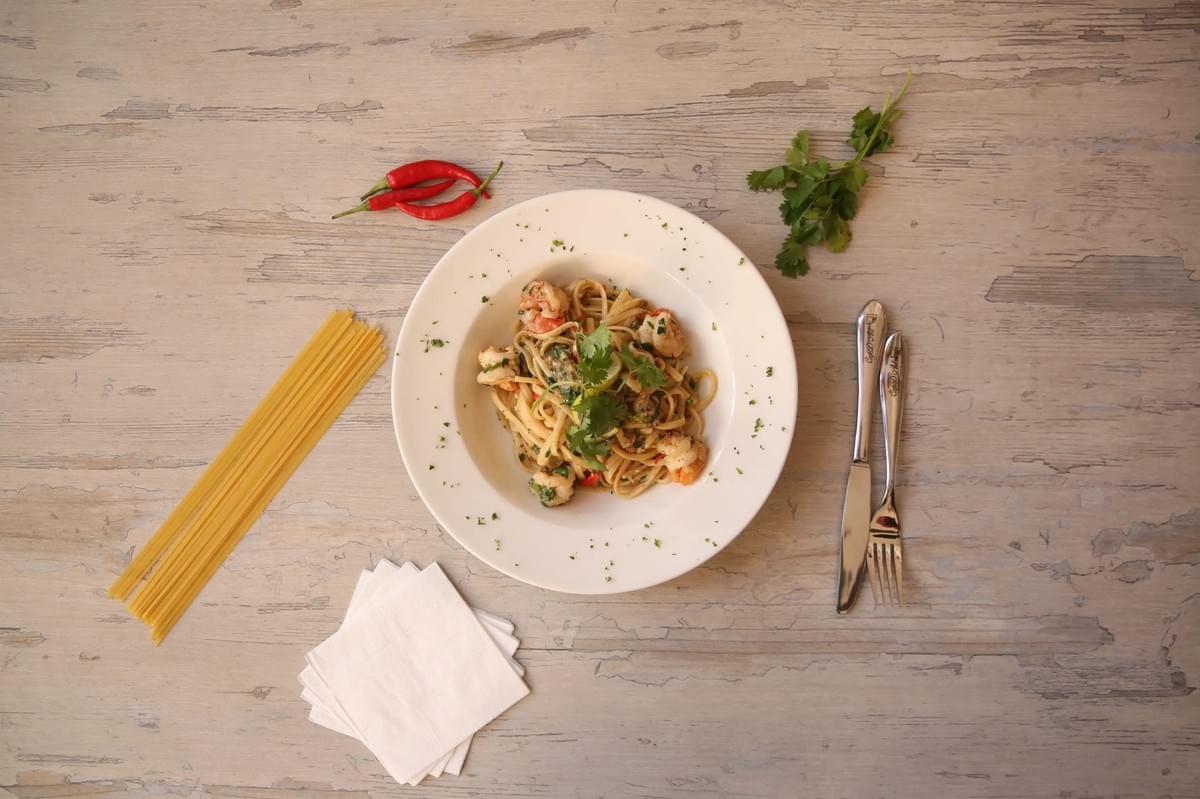
A top-down view shows a white bowl of cooked shrimp pasta garnished with fresh cilantro on a rustic wooden table. The plate is neatly surrounded by raw spaghetti, red chili peppers, fresh herbs, folded white napkins, and silver cutlery.

My view is simple: imperfection should be noticed emotionally before it is noticed visually.

The viewer should feel that the scene is lived-in without immediately identifying the technique. A slight tilt, an uneven edge, or a trace of movement can be enough.

AI food imagery does not need more disorder.

It needs better judgment.

The right imperfection is not the loudest flaw in the frame. It is the quiet detail that makes the rest of the image feel true.

Previous
AI Food Photography Ideas for Restaurant Instagram...
 Return to site
strikingly iconPowered by Strikingly
Cookie Use
We use cookies to improve browsing experience, security, and data collection. By accepting, you agree to the use of cookies for advertising and analytics. You can change your cookie settings at any time. Learn More
Accept all
Settings
Decline All
Cookie Settings
These cookies enable core functionality such as security, network management, and accessibility. These cookies can’t be switched off.
These cookies help us better understand how visitors interact with our website and help us discover errors.
These cookies allow the website to remember choices you've made to provide enhanced functionality and personalization.
Save