• Home
  • About Us
  • Al Photography 
    • Food Styling with AI
    • AI Editing Tips
    • Lighting & Composition
    • AI-Generated Photos
    • Social Media & Marketing
  • Framing the Future
  • Blog
  • …  
    • Home
    • About Us
    • Al Photography 
      • Food Styling with AI
      • AI Editing Tips
      • Lighting & Composition
      • AI-Generated Photos
      • Social Media & Marketing
    • Framing the Future
    • Blog
  • Home
  • About Us
  • Al Photography 
    • Food Styling with AI
    • AI Editing Tips
    • Lighting & Composition
    • AI-Generated Photos
    • Social Media & Marketing
  • Framing the Future
  • Blog
  • …  
    • Home
    • About Us
    • Al Photography 
      • Food Styling with AI
      • AI Editing Tips
      • Lighting & Composition
      • AI-Generated Photos
      • Social Media & Marketing
    • Framing the Future
    • Blog

The Human Hand Outside the Frame

· Visionary Perspectives,The Food Visual Lab
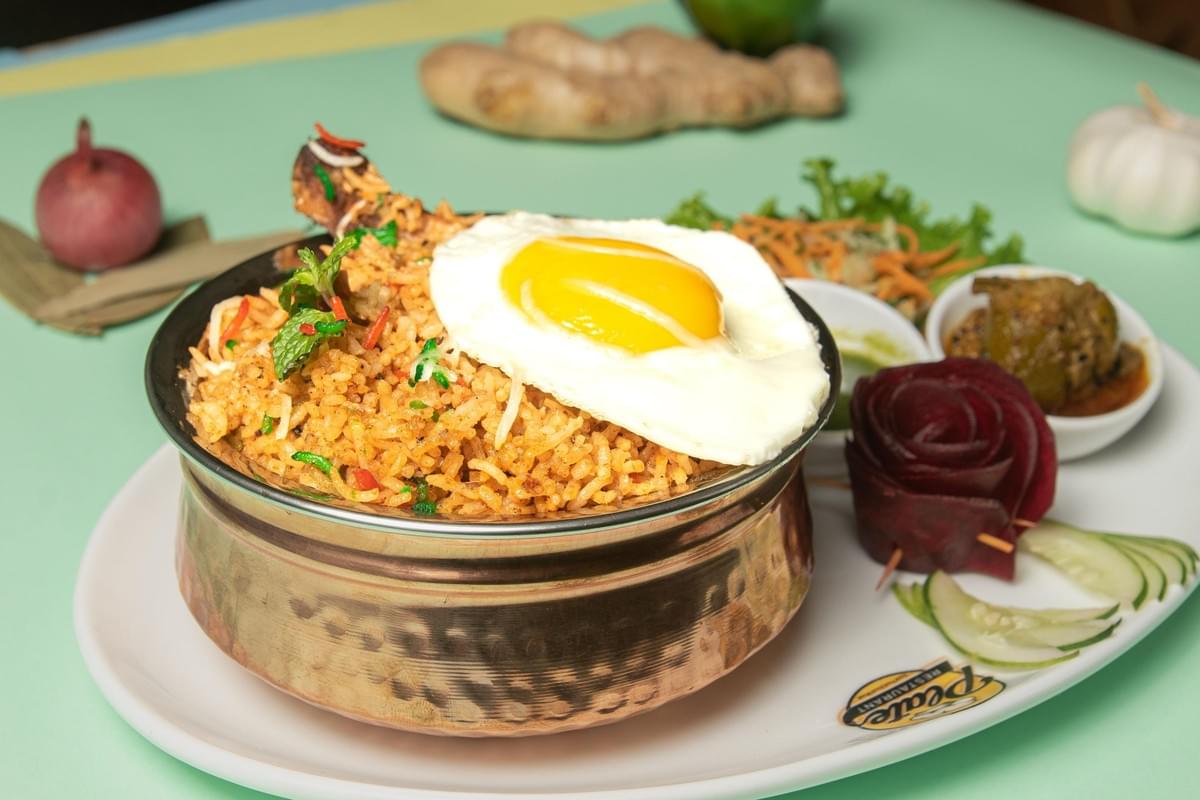
A metal bowl filled with seasoned orange rice and a chicken drumstick is topped with a sunny-side-up egg on a restaurant serving platter. The dish is accompanied by cucumber slices, a decorative beetroot rose, and small side bowls, set against a light green background with garlic, ginger, and onion.

AI can generate a food image, but it does not remove the need for human direction.

In hybrid food photography, the human hand often sits outside the frame. It may not appear in the final image, but it shapes the result through styling, lighting decisions, prompt structure, camera setup, and final editing. This is where the relationship between actual photography and AI becomes practical.

Here at AI Food Photo Hub, the strongest food visuals are rarely produced by automation alone. They are built through controlled human input.

Why Actual Photography Still Matters
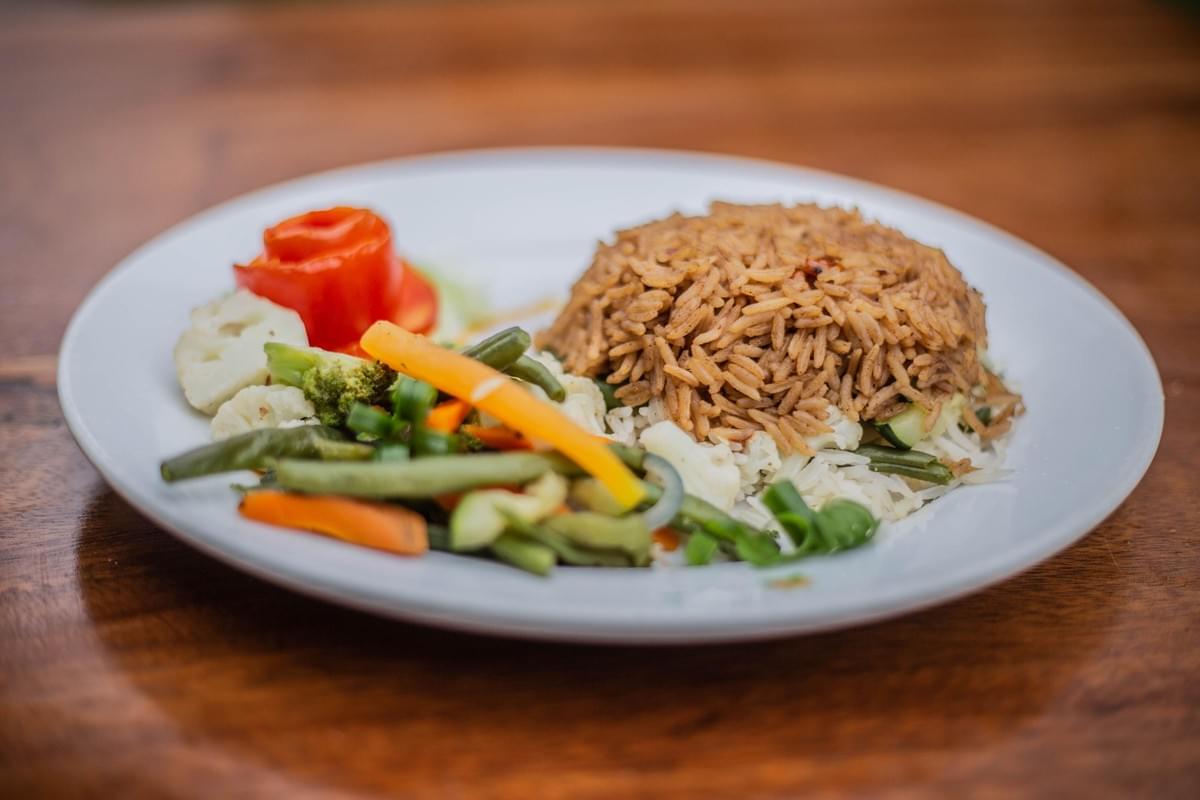
A white plate sits on a wooden surface, featuring a mound of seasoned brown rice served alongside a bed of white rice. The meal is accompanied by an assortment of mixed vegetables, including carrots, green beans, broccoli, cauliflower, and a decorative red tomato slice.

A real photograph provides physical information that AI can use or imitate.

Actual food photography captures:

  • Natural surface texture
  • Real shadow behavior
  • Accurate scale
  • Ingredient irregularity
  • Contact between plate, food, and surface
  • True light response

These details are difficult to reproduce consistently from a text prompt alone. A real plate of food gives the image physical grounding. It shows how sauce settles, how bread tears, how steam fades, and how garnishes sit against the surface.

AI can refine these details, but the original visual evidence still matters.

Where AI Supports the Workflow
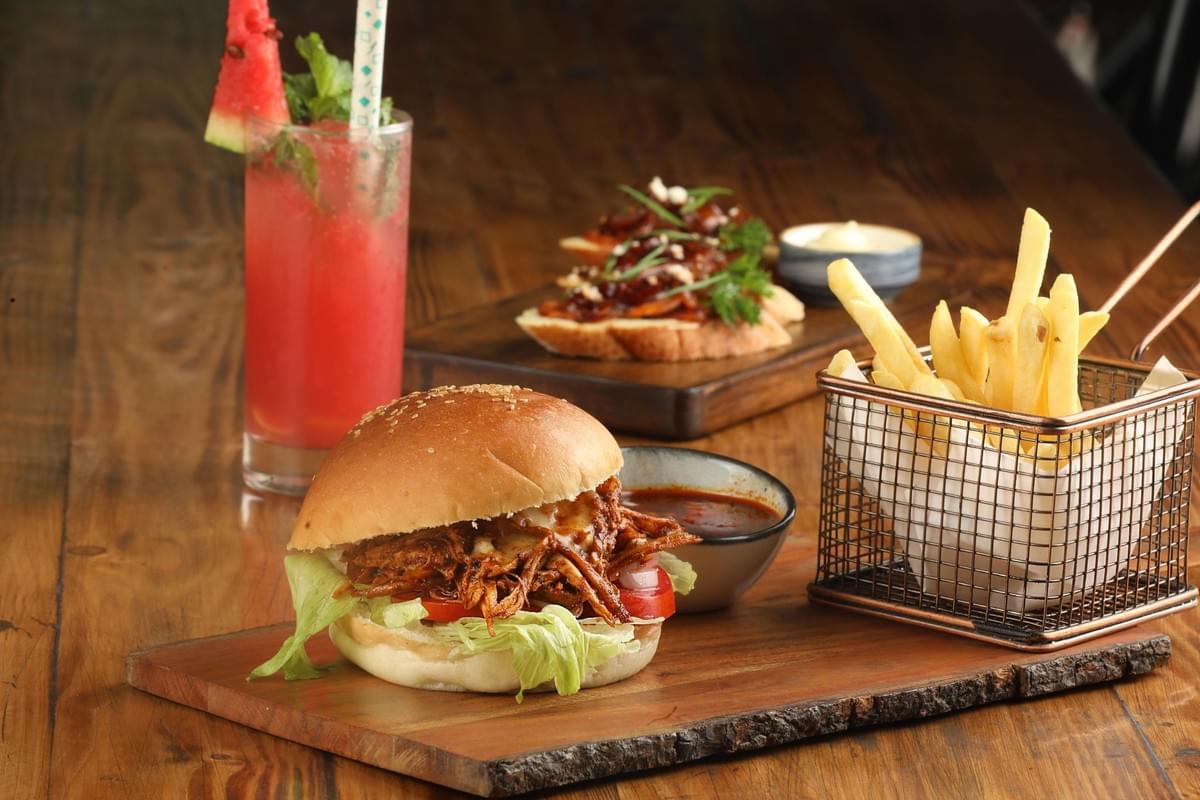
A pulled meat burger with lettuce and tomato is served on a wooden board alongside a wire basket of french fries and a small bowl of dipping sauce. In the background, a vibrant red watermelon drink with a mint garnish sits near a plate of bruschetta toppings.

AI adds value after the human decisions are made.

It can help with:

  • Background cleanup
  • Lighting correction
  • Image extension
  • Color consistency
  • Surface refinement
  • Alternate crop generation
  • Visual concept testing

This makes AI useful as a production support tool. It reduces repetitive editing tasks and allows teams to create multiple visual outputs from one photographed base.

For example, a photographed dessert can be adapted into a square social post, a wide website banner, and a vertical menu image. AI can extend the table surface, adjust background spacing, and maintain tonal consistency across each format.

The Human Role Becomes More Specific
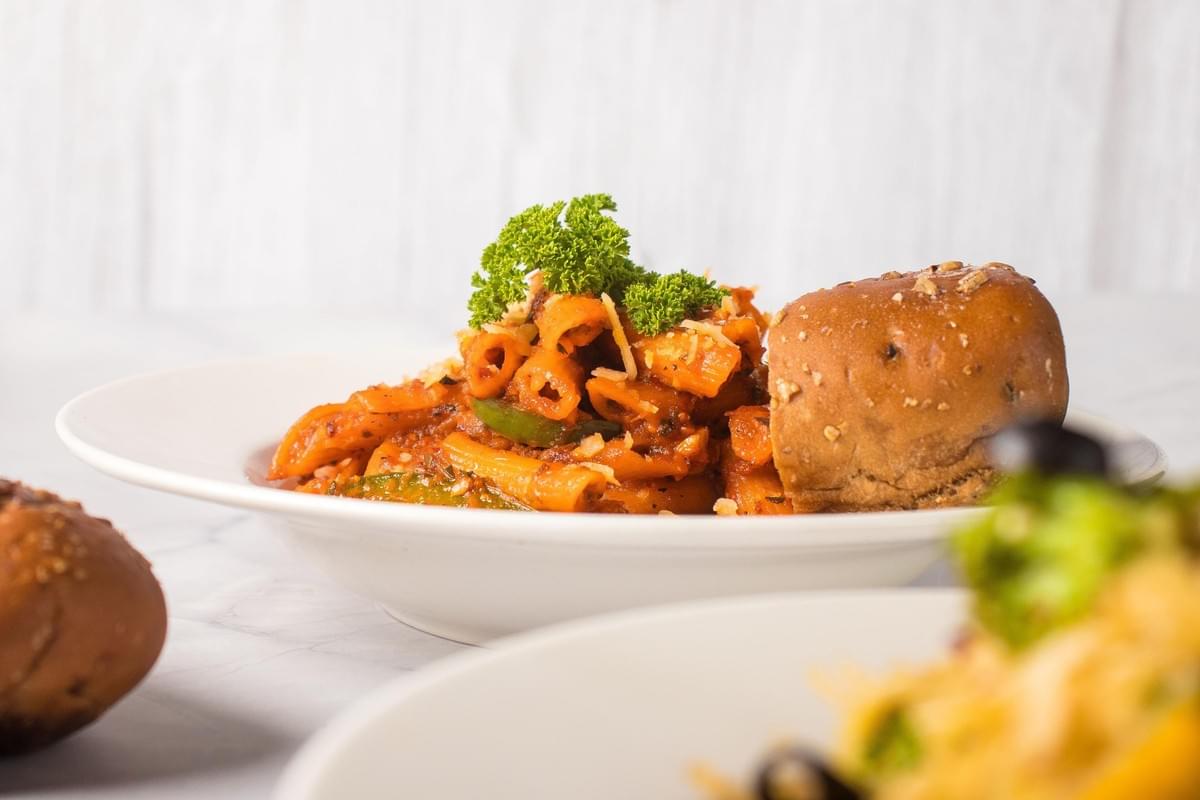
A plate of penne pasta tossed in a rich, red tomato sauce and topped with grated cheese and fresh green parsley. A small, crusty bread roll sits on the edge of the white bowl, set against a light background with other dishes blurred in the foreground.

As AI becomes more capable, human input becomes less about manual correction and more about direction.

The photographer or visual editor must still decide:

  • What the image should communicate
  • Which imperfections should remain
  • How much polish is appropriate
  • Whether the lighting feels believable
  • Whether the final image matches the brand style

These decisions cannot be fully automated without losing visual judgment.

The Practical Direction
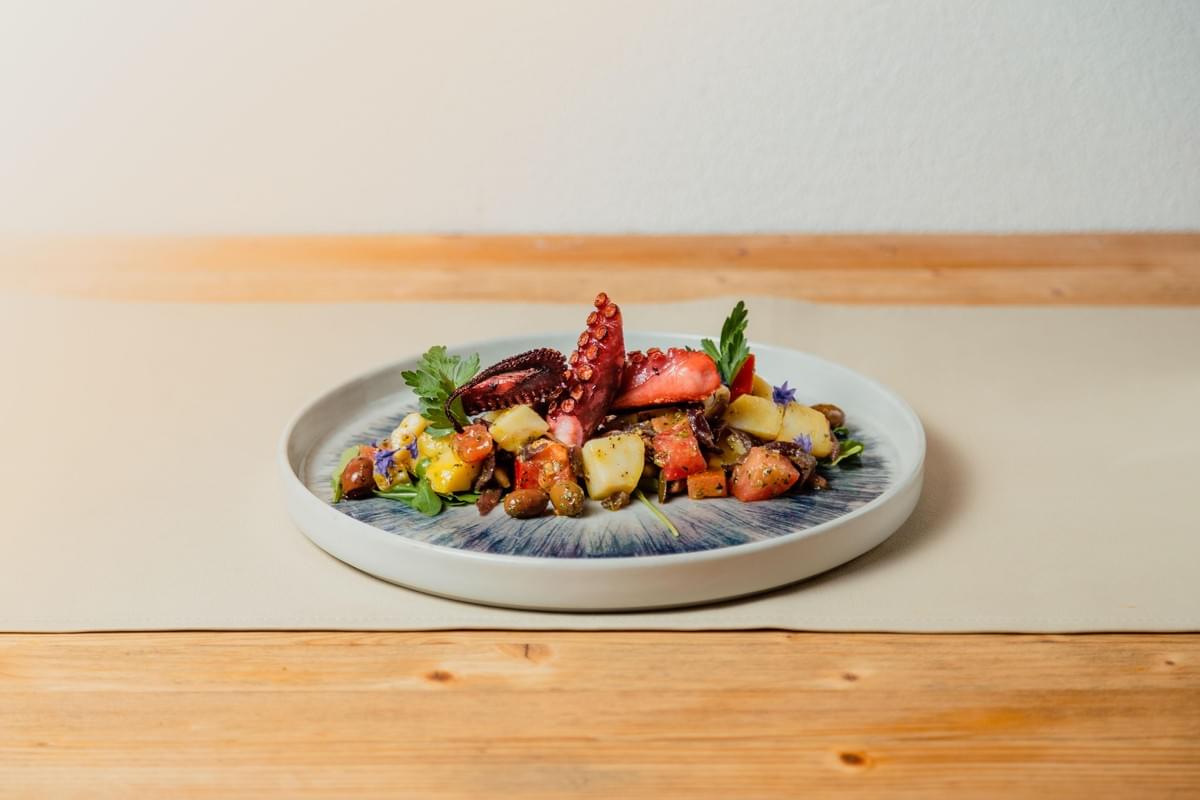
A beautifully plated octopus salad sits in the center of a round ceramic dish, featuring grilled tentacles arranged atop diced potatoes, tomatoes, olives, and fresh greens. The dish is presented on a minimalist table setting with a light-colored runner over a natural wooden surface.

The future of food photography is not AI replacing the human eye. It is AI working from human decisions.

The hand outside the frame will still arrange the plate, select the surface, control the light, review the image, and decide when the result is ready.

That hand may become less visible, but it will remain central to the image.

Previous
How AI Images Earn: A Singapore Guide to Turning Food...
Next
 Return to site
strikingly iconPowered by Strikingly
Cookie Use
We use cookies to improve browsing experience, security, and data collection. By accepting, you agree to the use of cookies for advertising and analytics. You can change your cookie settings at any time. Learn More
Accept all
Settings
Decline All
Cookie Settings
These cookies enable core functionality such as security, network management, and accessibility. These cookies can’t be switched off.
These cookies help us better understand how visitors interact with our website and help us discover errors.
These cookies allow the website to remember choices you've made to provide enhanced functionality and personalization.
Save