

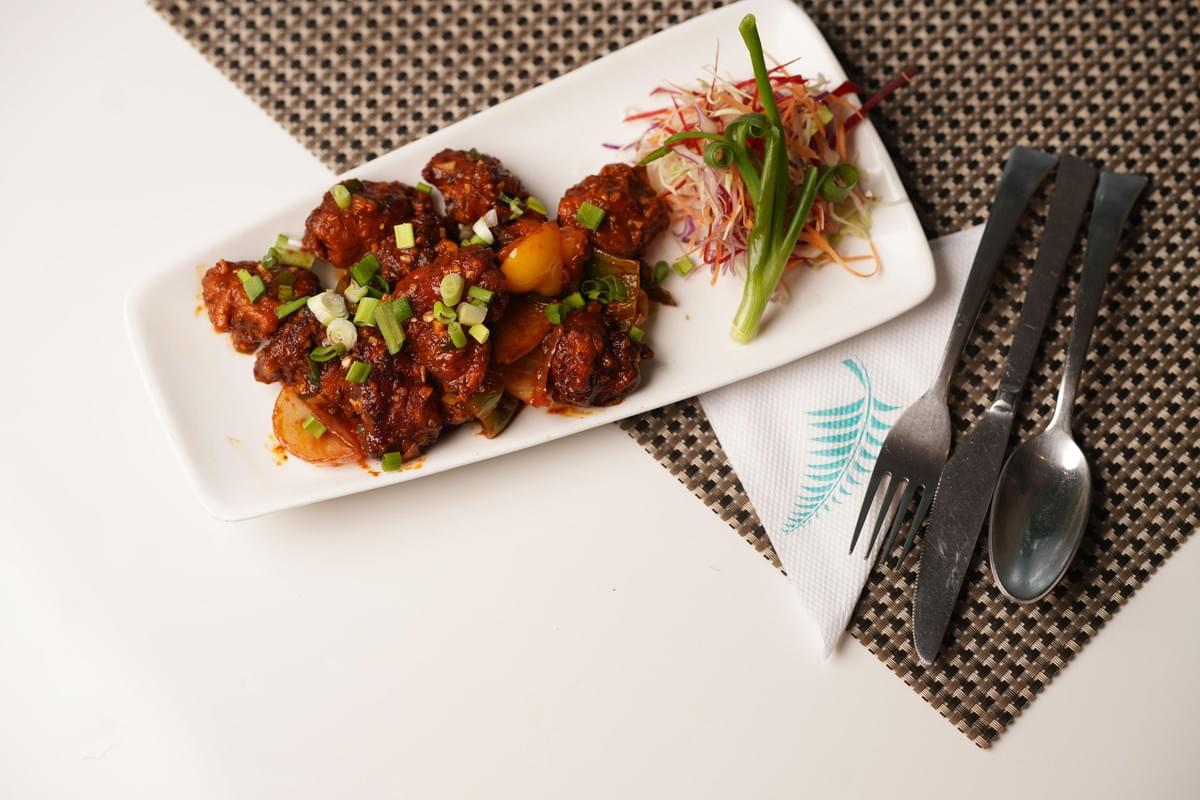
The first time an AI image earned me money, I almost felt guilty about it.
A small café near my place needed food visuals for a new dessert they hadn't even finalised yet. No budget for a shoot. No time. Just an owner, a half-formed idea, and a launch date creeping closer. I used an AI image generator to build them a set of mockups and they paid me for it. Not a fortune. But enough to make me pause.
Because here's what surprised me: nobody was paying for the image itself. They were paying for the decision it helped them make. That distinction changed how I work.
The Two Real Ways to Earn with AI Generated Images
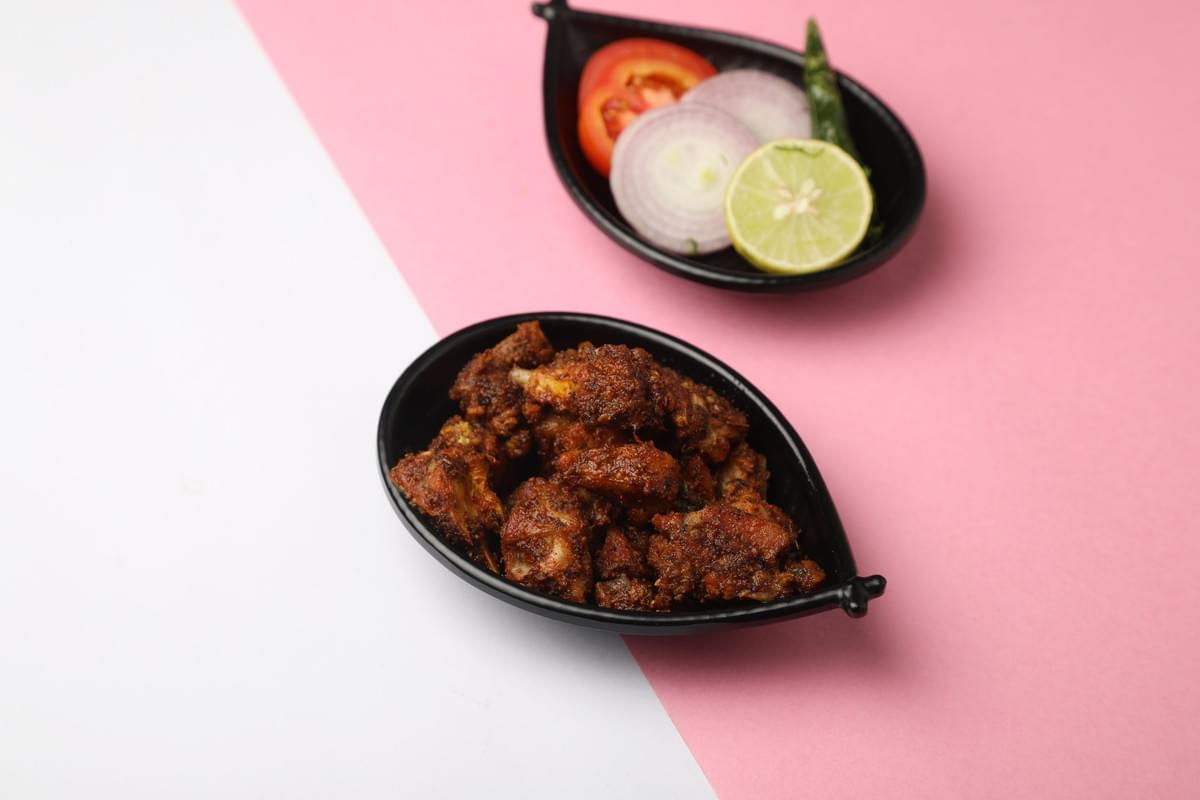
- Service-based income is where most people start, and where I still make the most. You create images for someone: social posts for a hawker stall, blog headers for a food writer, menu concept images for a café, campaign mockups for a seasonal promotion. Someone has a need. You fill it. The tool is just how you get there faster — saving time without sacrificing quality style or creative control.
- Asset-based income is slower and more patient. This is where you build things people buy repeatedly: prompt packs, digital templates, brand moodboards, content bundles, or AI-enhanced stock submissions where they're actually allowed. Think of it as building a library of high quality images that keep working after you've stopped.
That last part matters. Not every platform accepts AI work. Adobe Stock has a path for it if you follow their submission and labelling rules. Shutterstock currently does not accept AI-generated contributor submissions at all. So before you build a whole asset business around uploads, check the door you're trying to walk through, especially if commercial use is the goal.
Why the Prettier AI Image Generator Output Doesn't Always Win
Early on, I generated a stunning image of chicken rice. Black marble surface, dramatic side light, the kind of composition that looks expensive. I was proud of it. The café I showed it to just... paused. Then someone said quietly, "But that doesn't really look like our chicken rice."
They were right. It looked like a luxury interpretation of a dish that lives on plain white melamine plates under practical lighting. Beautiful, and completely wrong. For food — especially our food — the image that earns is the one that feels edible, accurate, and recognisable. A Singaporean glances at a plate and knows instantly whether it's right. If your char kway teow has lost its wok char and turned into generic glossy noodles with an artistic flair that erases its identity, it doesn't matter how polished the output is. It won't sell, because it won't feel true.
The best AI generated images in this space don't try to reimagine local food. They try to honour it — capturing the right lighting, the right background, the right shallow depth, the right life in the dish. That's where mouth watering food images actually come from. Not from dramatic renders. From accuracy.
The Legal Part of Image Generation You Can't Skip
I know this section is dry. Read it anyway, because it protects you. You may be able to use AI images for commercial use under a tool's terms — but that doesn't automatically mean you own strong copyright over every output. Singapore's legal position on AI generated images is still nuanced. IPOS has warned that users, developers, or deployers could be liable if outputs from machine learning models or an AI model resemble someone else's protected work too closely.
So a few honest rules I follow:
- I don't use text prompts or text descriptions styled after living artists, or generate anything resembling brand mascots, logos, copyrighted characters, or celebrity likenesses.
- I don't replicate another photographer's known composition.
- I keep my prompts and edit history, in case anyone ever asks.
- I disclose AI use to clients, always. It protects trust and avoids awkward disputes later, especially when images created are intended for commercial use. Disclosure isn't a weakness. I've never lost a client by being upfront. I've only ever built more trust.
Building a Niche and Real Proof with AI Images
When I called myself a "general AI image creator," nobody bit. When I narrowed to Singapore food visuals, the work started coming. A narrow niche earns better because it signals you understand something specific. Local food. Hawker realism. Festive campaigns. Cloud kitchen thumbnails. Pick a lane — then use your image generator to build proof within it.
Then — and this is the part most beginners skip — build sample sets, not single images. One pretty photo proves you can generate AI images. A set proves you can think commercially. Diverse styles, consistent brand, better results across every format. That's what clients are actually buying.
Here's a sample set I'd build:
Nasi Lemak Visual Kit
- Hero image
- Delivery thumbnail
- Instagram square post
- Story format
- Blog header
- Menu poster mockup
- Close-up texture shot (shallow depth of field, subject in focus)
- A short prompt breakdown with simple prompts anyone can follow
That set says: I understand how a business actually uses images. That's what people pay for.
Packaging Your Offer to Create Images That Sell
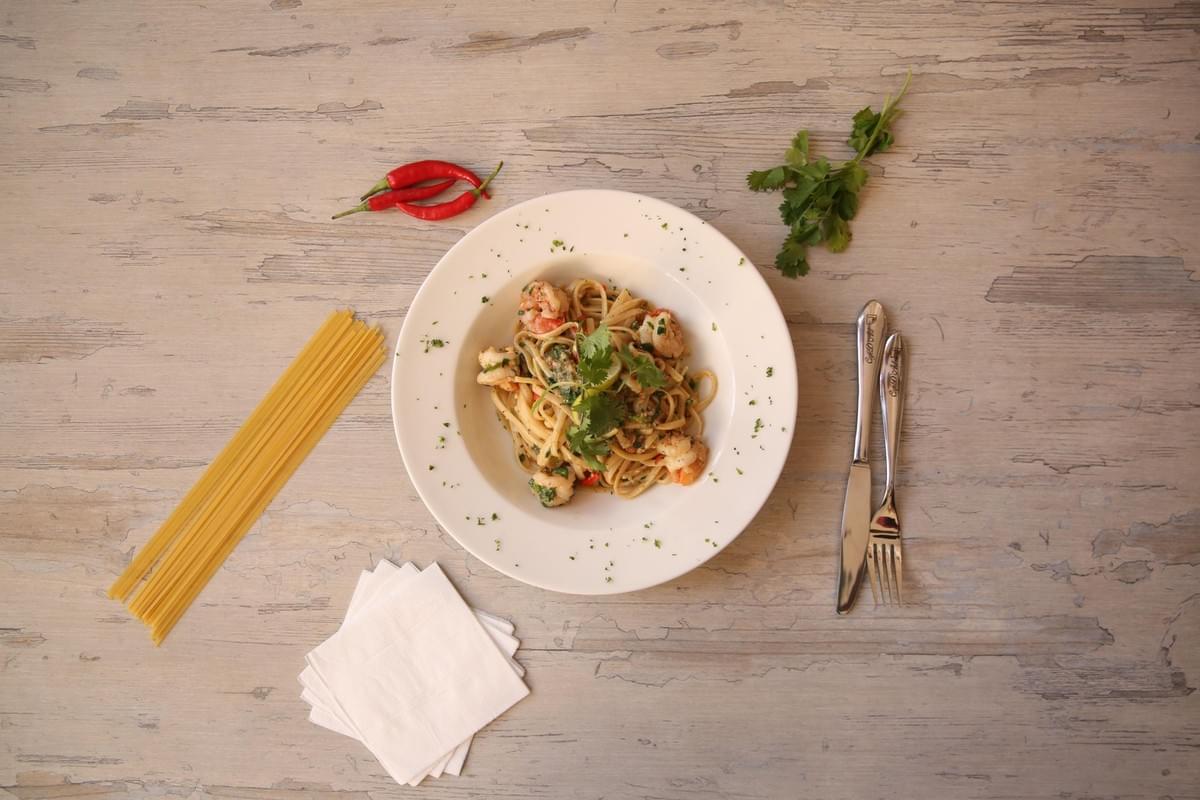
Once you have proof, package it so people can say yes easily. These are the three I use:
- Starter Content Pack — 6 AI-assisted food images, 3 caption-ready social posts, 1 revision round. Best for small cafés and hawkers testing the waters.
- Menu Visual Refresh — 10 dish-inspired visuals, cropped for menu, website, and social media, with a short style guide to ensure quality and consistency across platforms.
- Campaign Concept Pack — 12 visuals for a seasonal campaign like Hari Raya, CNY, or National Day, plus a moodboard and ad mockups. Best for agencies or F&B brands planning something bigger. Higher resolution output available for print.
How Much to Charge for Food Photography Commercial Use
Don't price by "one text prompt equals one image." That undersells the real work — the concept, the art direction, the edit process, the consistency, the brand fit, the revisions, the formatting. Think of yourself less as someone who clicks generate and more as someone who shapes the creative vision: the composition, the mood, the lighting, the camera angle, the background detail. That takes skill. It takes time. You're allowed to charge for it.
For reference, freelance graphic design rates in Singapore sit roughly between S$54 and S$88 per hour depending on experience. Commercial photography sessions here can run from around S$200 to over S$5,000 depending on dish count and shoot length. Many SMEs already spend somewhere between S$2,500 and S$10,000 a month on digital marketing.
That context helps you position honestly. You're not replacing photographers. You're offering a faster, lower-cost visual layer for testing ideas, building campaign volume, and getting a brand off the ground. That's a real value — and you're allowed to charge for it.
A Simple 7-Day Starter Plan to Generate Images
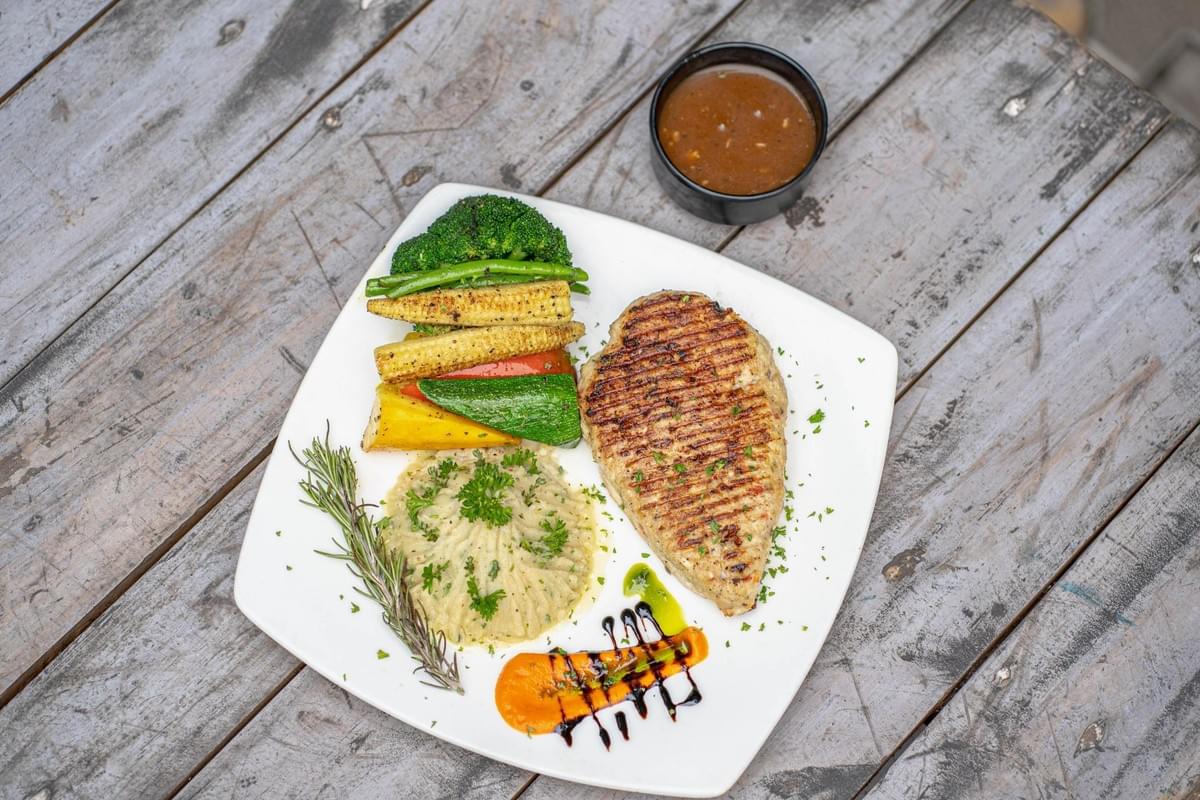
- Day 1: Choose your niche. Write your first simple prompts.
- Day 2: Use your image generator to produce 30 to 50 reference images.
- Day 3: Select your 10 strongest. Watch for accuracy, not just beauty.
- Day 4: Edit, upscale, and format them. Adjust lighting, background, and subject detail as needed.
- Day 5: Build a simple portfolio page or carousel — quality images only.
- Day 6: Create one package offer. Keep the process clear.
- Day 7: Pitch 10 to 20 local businesses. Fast results are unlikely. That's okay.
Realistically, expect the pitching to feel uncomfortable. Most won't reply. A couple will. That's normal. That's how it starts.
Where This Actually Works: Real Scenarios for Diverse Styles
- A hawker stall with great food but poor lighting and patchy social posts. You build them a monthly content pack using their real dishes as reference images — supporting visuals, not misleading product shots. A "morning breakfast set," a "sambal close-up," a "takeaway pack" variation. Consistent brand across every picture.
- A café testing a new dessert, say, a pandan tiramisu they haven't finalised. You generate plating moodboards, imagine rustic against premium against playful, and help them choose a direction before spending on a real shoot.
- A food blogger writing about Changi Village but missing visuals for half the sections. You create editorial-style headers and Pinterest pins, clearly conceptual, never passed off as documentary photos. More detail, better composition, without a camera.
- A creator selling a prompt pack like "50 Singapore Hawker Food Prompts", bundling dish prompts, lighting notes, negative prompts, and local accuracy tips. Resources for other photographers and visual creators trying to generate AI images that actually feel right.
Common Mistakes to Avoid
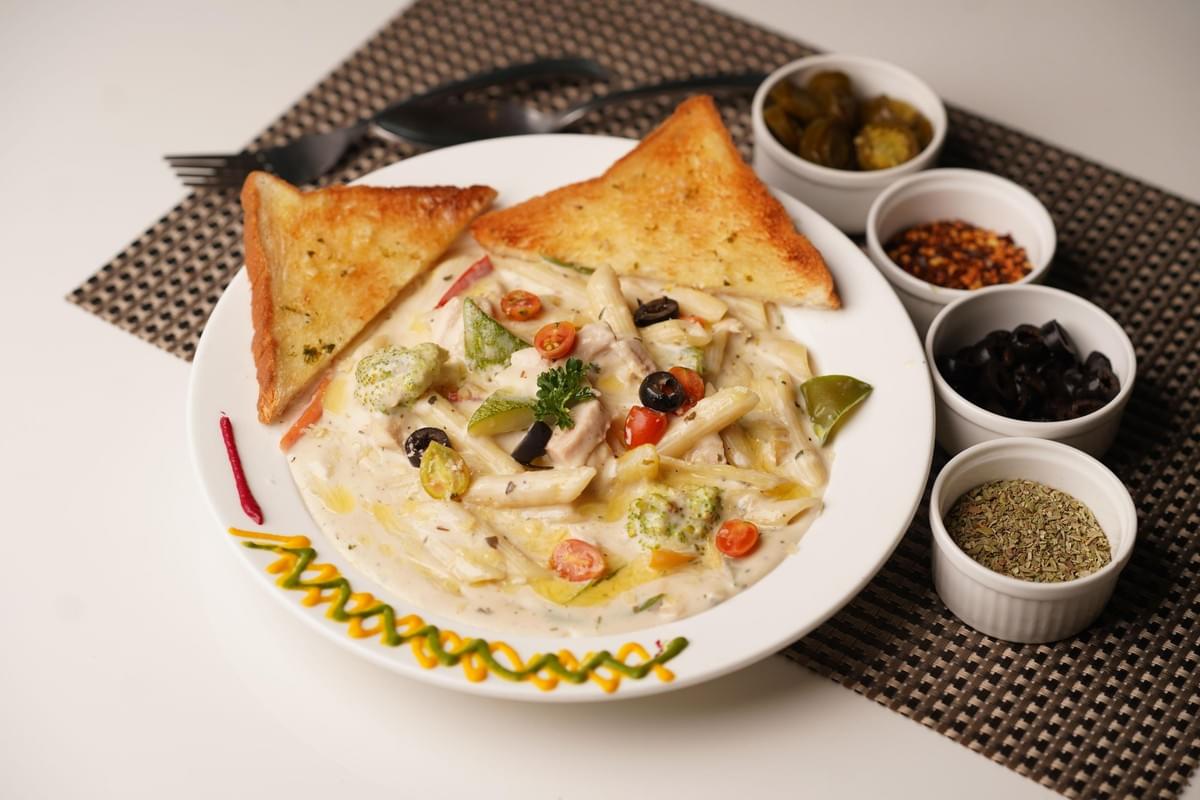
- Waiting for passive income. A random AI generated image of nasi lemak earns nothing. Attached to a stall's launch, it earns.
- Over-styling local food. Don't turn char kway teow into fine dining. Creativity should serve accuracy, not erase it.
- Ignoring halal and cultural sensitivity. Don't casually mix pork into Malay or Muslim-coded dishes, and never label an image halal unless you genuinely know. This isn't a detail — it's real trust.
- Skipping disclosure. It always catches up with you.
- Selling single images instead of systems. A repeatable, brand-consistent set — built with more detail, better output, higher resolution — is worth far more than a folder of stunning visuals with no context.
FAQs
- What if my image looks fake?Fake usually hides in the small things. Use reference images where you can, and don't be afraid to edit.
- What if I accidentally use copyrighted material?Avoid generating anything resembling famous characters, brand packaging, logos, celebrity chefs, or another photographer's known composition. When in doubt, use more generic text descriptions and simpler prompts.
- What if a client asks whether the images are real?Tell them the truth. Use image generation for concepts, mood, and supplementary visuals, and real photography when the exact dish, portion, or product must be shown accurately.
- What if I don't know design?You don't need to be a designer to start. Tools like Google Gemini, GPT image generation, and other AI model platforms give you genuine creative control through well-constructed text prompts.
A Final, Honest Word
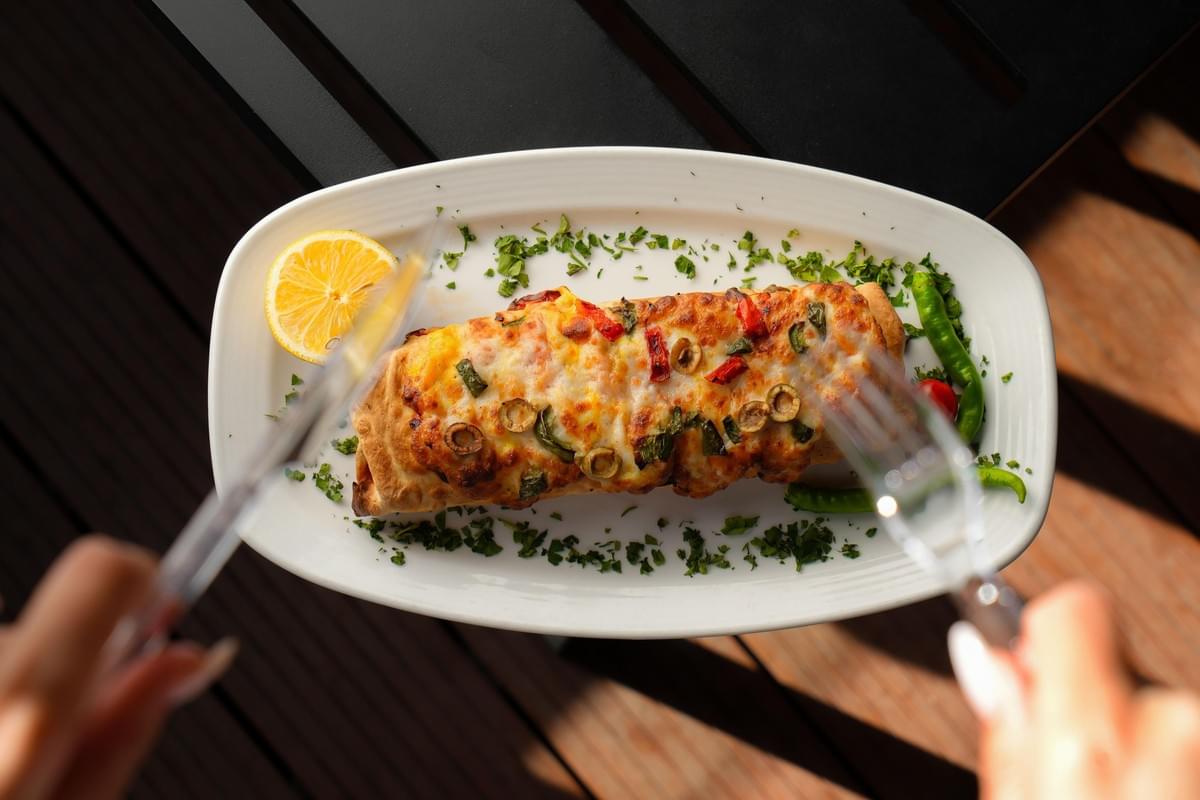
AI images don't earn because they're generated. They earn because they make a business easier to understand, a dish easier to crave, and a campaign easier to publish.
That's the part I keep coming back to. The money was never really in the image. It was in the clarity it gave someone — the café owner who finally saw what her dessert could look like, the hawker who could show up online looking like themselves.
So start small. Pick one dish, one niche, one honest offer. You'll get things wrong at first, I still do. But keep the food recognisable, keep your dealings transparent, and treat the work like it matters.
Because to someone, quietly, it will.
