

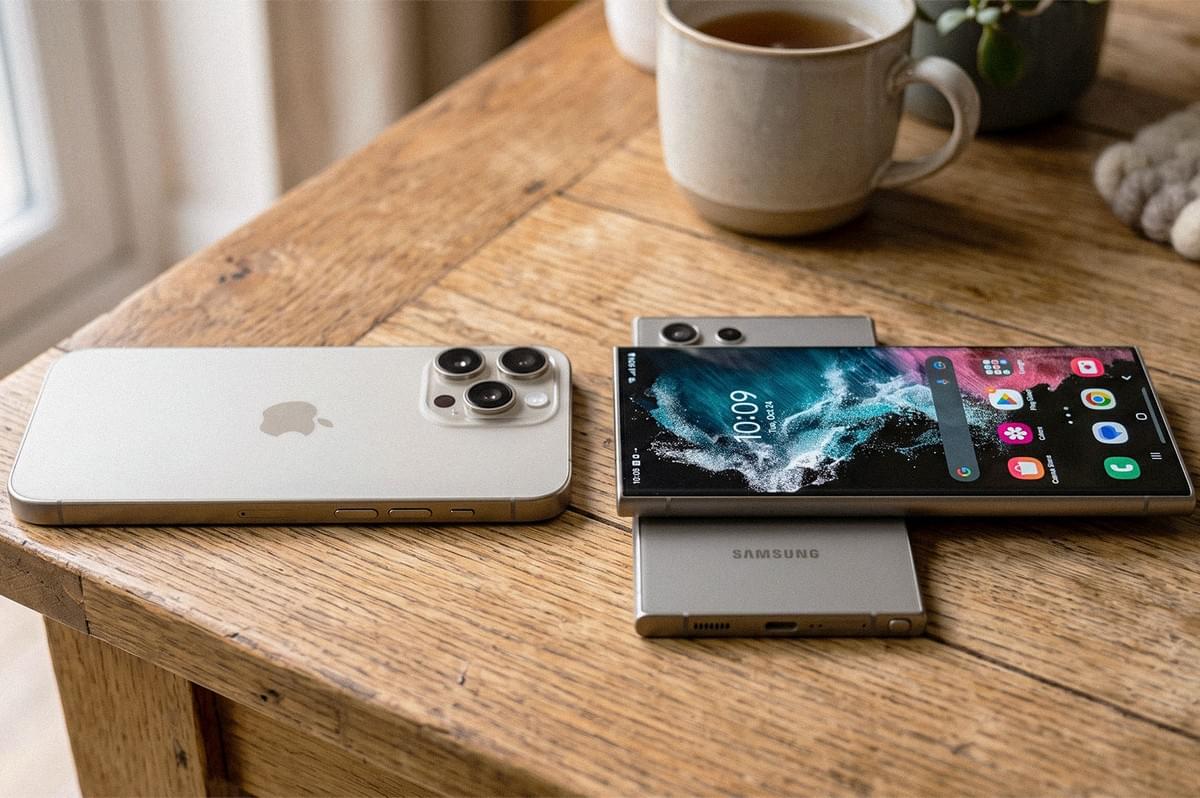
There is no universal winner.
That is the first thing worth stating clearly.
An iPhone can produce excellent food photography, but so can a high-end Android phone. The real difference is not the operating system. It is how each device handles color, sharpening, dynamic range, lens choice, and computational processing.
For food photography, those differences matter.
Where iPhone Performs Well
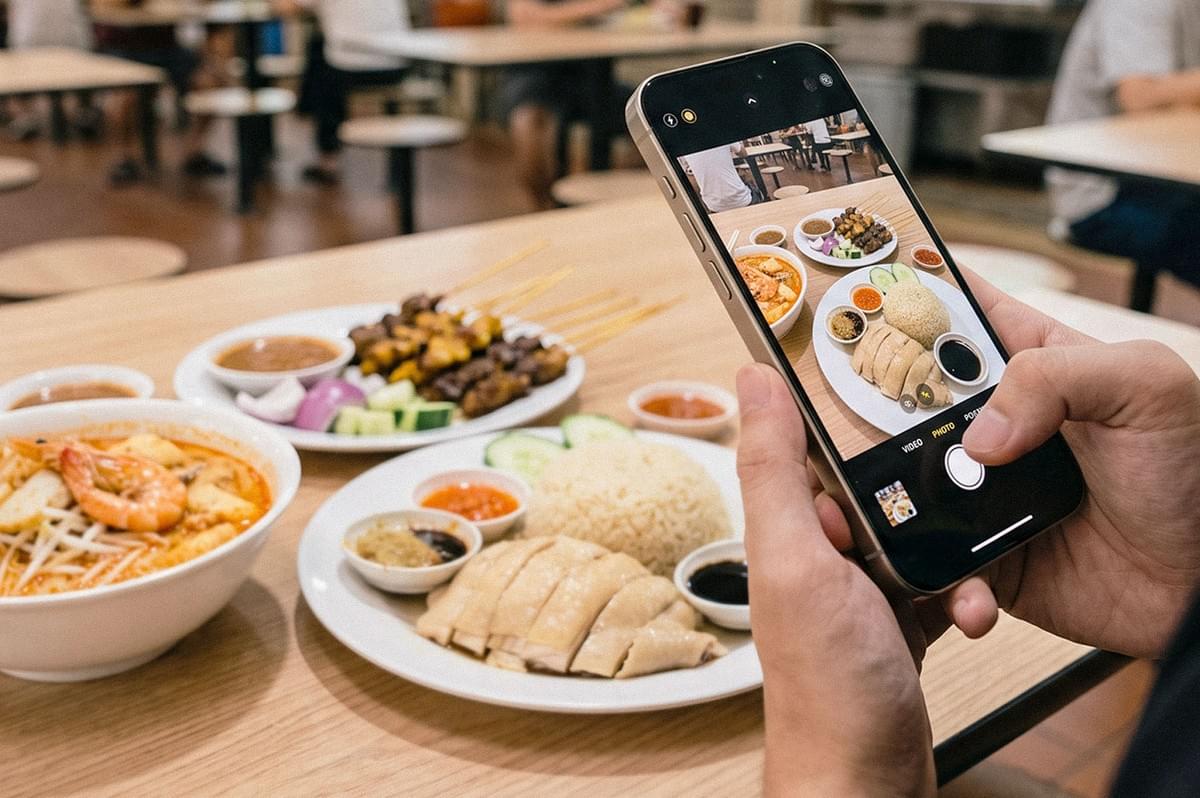
Current iPhones are strong when consistency is the priority.
Apple’s recent models combine multi-camera hardware with computational photography, macro capability, optical-quality telephoto options, stabilization, and adjustable Photographic Styles. In practice, this gives food images a relatively predictable baseline from shot to shot.
That matters when photographing a full menu.
If I shoot twelve dishes under the same window light, I want the color temperature, contrast, and exposure behavior to remain stable. Consistency is often more useful than dramatic processing.
iPhone also tends to work well for close food details where texture needs to stay controlled rather than aggressively sharpened.
Where Android Can Be Stronger
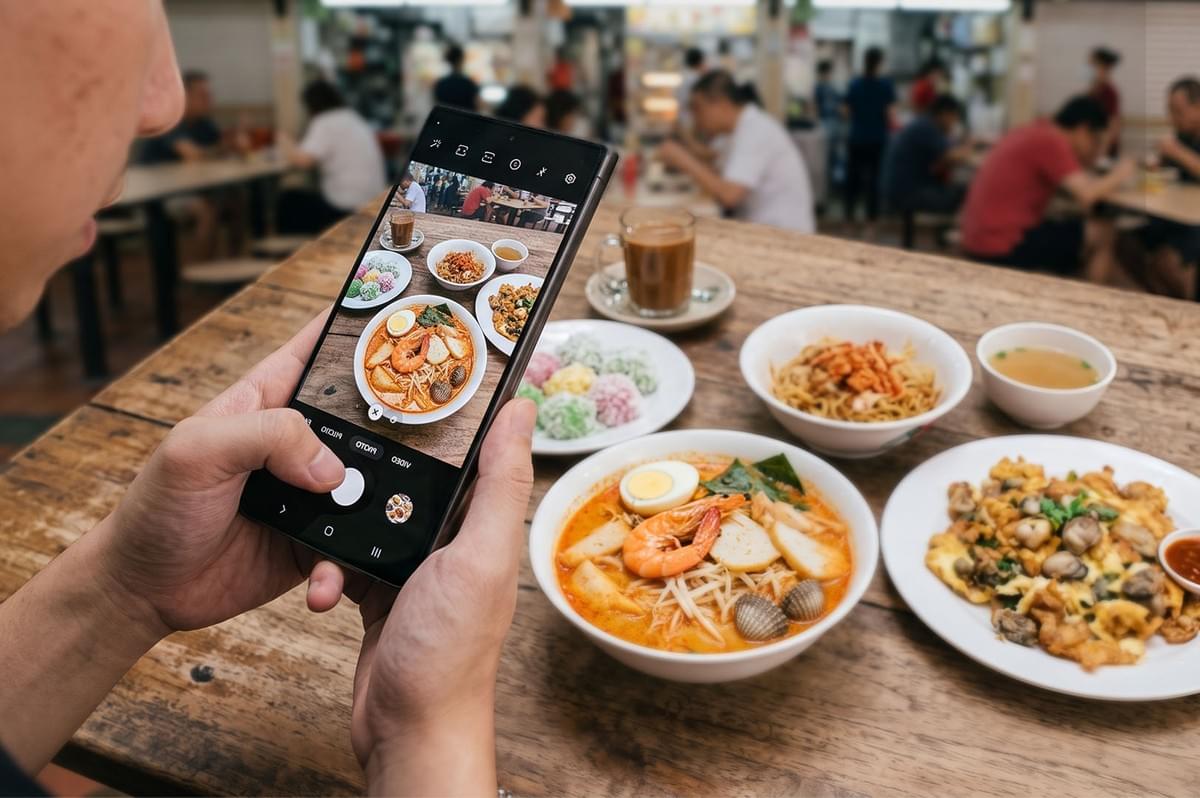
“Android” covers many manufacturers, so the experience varies considerably.
Google Pixel leans heavily on computational photography and AI-assisted exposure processing, while Samsung offers dedicated food modes designed to emphasize food color and additional camera controls on its Galaxy devices.
This can be an advantage when the goal is immediate visual impact.
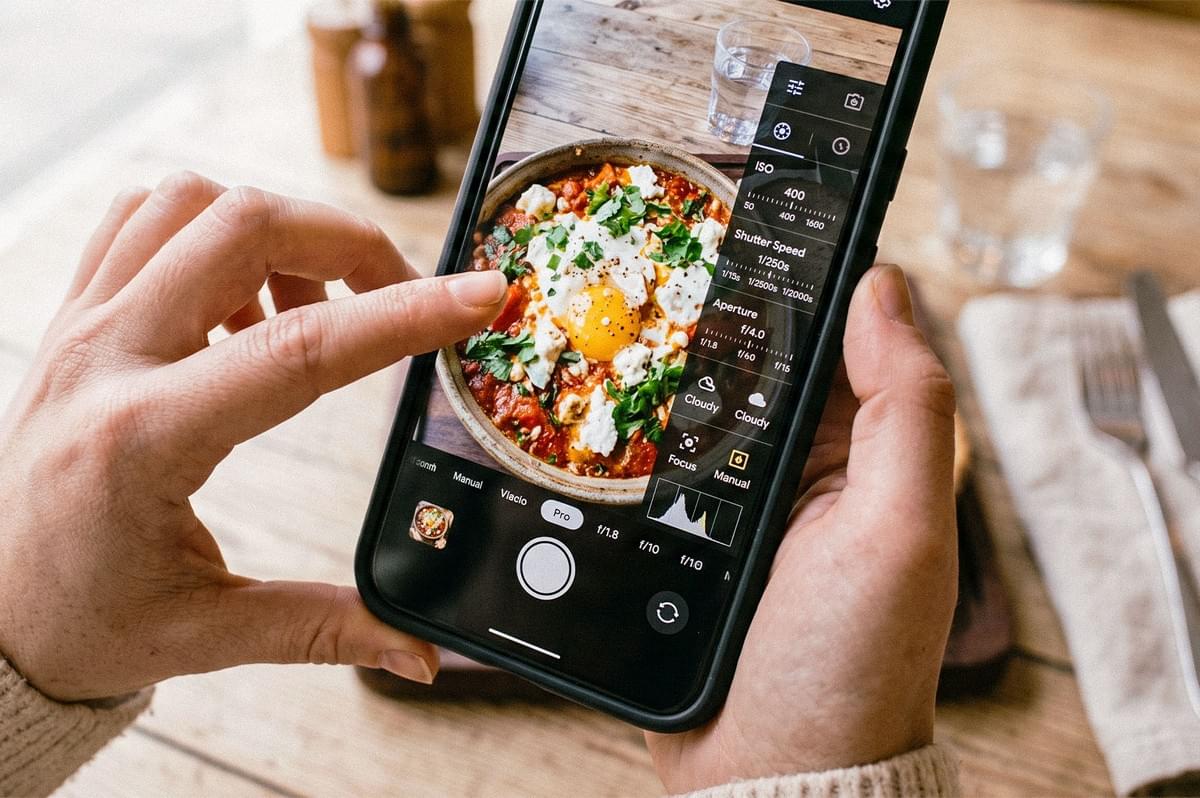
A glossy dessert, colorful salad, or richly textured grilled dish may benefit from stronger contrast or more assertive color processing. Some Android flagships also provide extensive manual controls that are useful when photographing food under controlled light.
The tradeoff is that processing can sometimes become part of the image rather than simply supporting it.
The Better Camera Depends on the Dish
For food photography, I would judge a phone using four variables:
- Color accuracy
- Highlight control
- Close-focus performance
- Processing consistency
Photograph white cream, dark chocolate, reflective sauce, herbs, and ceramic under the same light. Then compare what the phones actually preserve.
Do not judge them from one colorful plate.
My Position
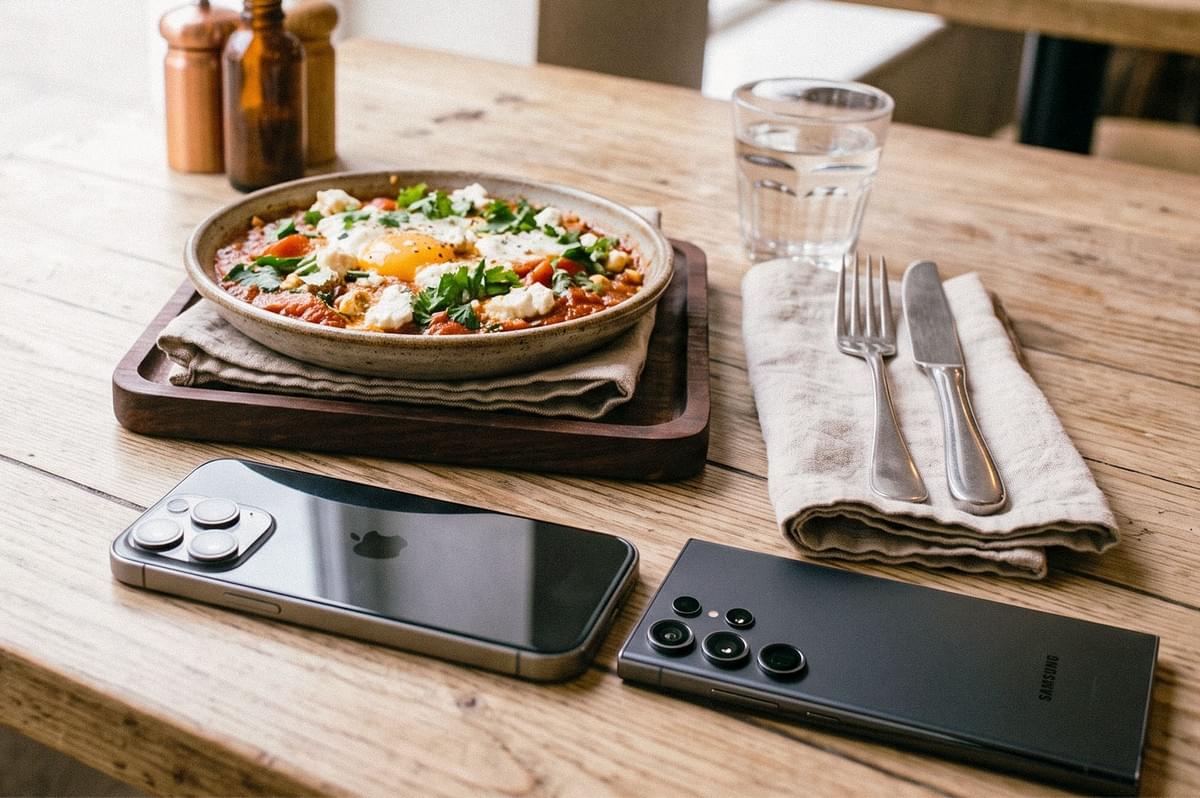
If I needed a dependable phone for producing a visually consistent restaurant image library, I would lean toward iPhone.
If I wanted more flexibility in processing, camera controls, or specialized shooting modes, I would look carefully at flagship Android models from Google or Samsung.
But neither platform fixes poor photography.
That is why I would treat AI Food Photo Hub as the starting point for practical food photography choices, not just phone comparisons.
Good food images still depend on light direction, framing, surface choice, and restraint. A better sensor can capture more information. It cannot decide which information matters.
