

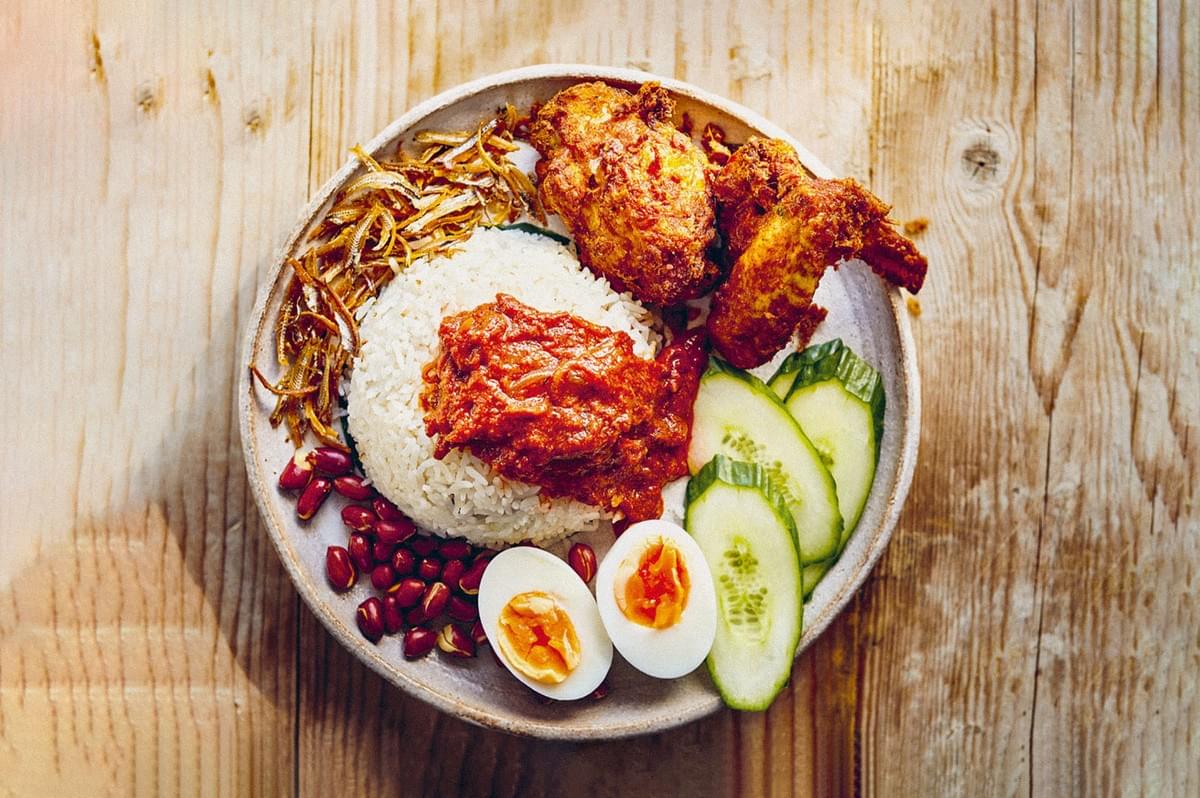
The first time AI failed me, it was over a plate of nasi lemak.
I'd photographed it at a stall near my place, still warm, the sambal bleeding gently into the coconut rice. I fed the image to an AI tool, curious what it would say. The answer came back fast and confident: Indonesian cuisine.
I sat with that for a moment. Not wrong, exactly. But not right either. The dish in front of me had grown up here, been served here, been argued over at hawker tables for generations. Calling it simply "Indonesian" felt like calling someone by only half their name.
That small moment taught me something I've carried since. AI can look at food. But as artificial intelligence photos, it cannot always understand it. And in Singapore, where our food carries so many stories at once, that gap matters more than you'd think.
Identifying a Dish Is Not the Same as Identifying a Cuisine
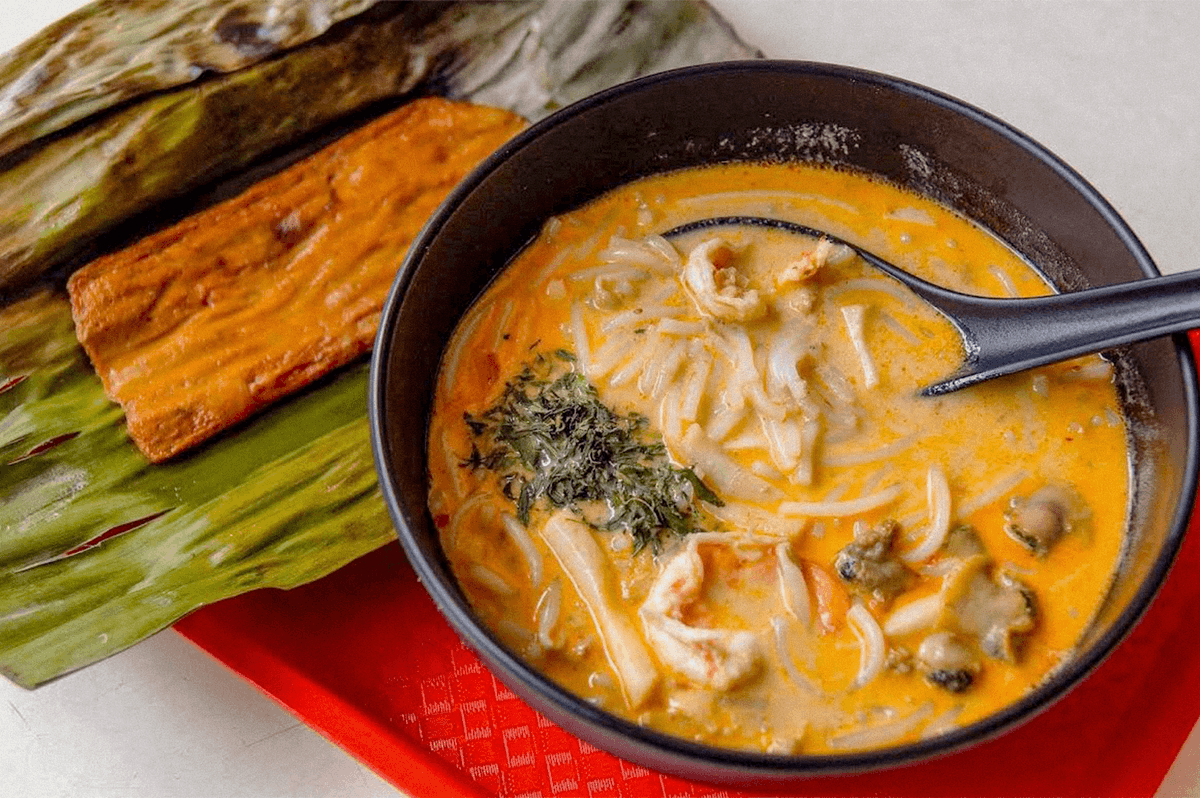
Saying "this looks like laksa" is one thing. AI is often quite good at that. It sees noodles, broth, chilli oil, a scattering of herbs, and it matches the pattern.
But "this is Singaporean Katong laksa, prepared in a particular tradition" is a completely different claim. That needs information a photograph simply cannot hold. Technique. Stock. Spice paste. The hands that made it and the reason they made it that way.
In my experience, AI blurs these two questions together. It sees a dish and reaches straight for a cuisine label, as if one always leads cleanly to the other. It doesn't.
Why Singapore Is Genuinely Hard for AI
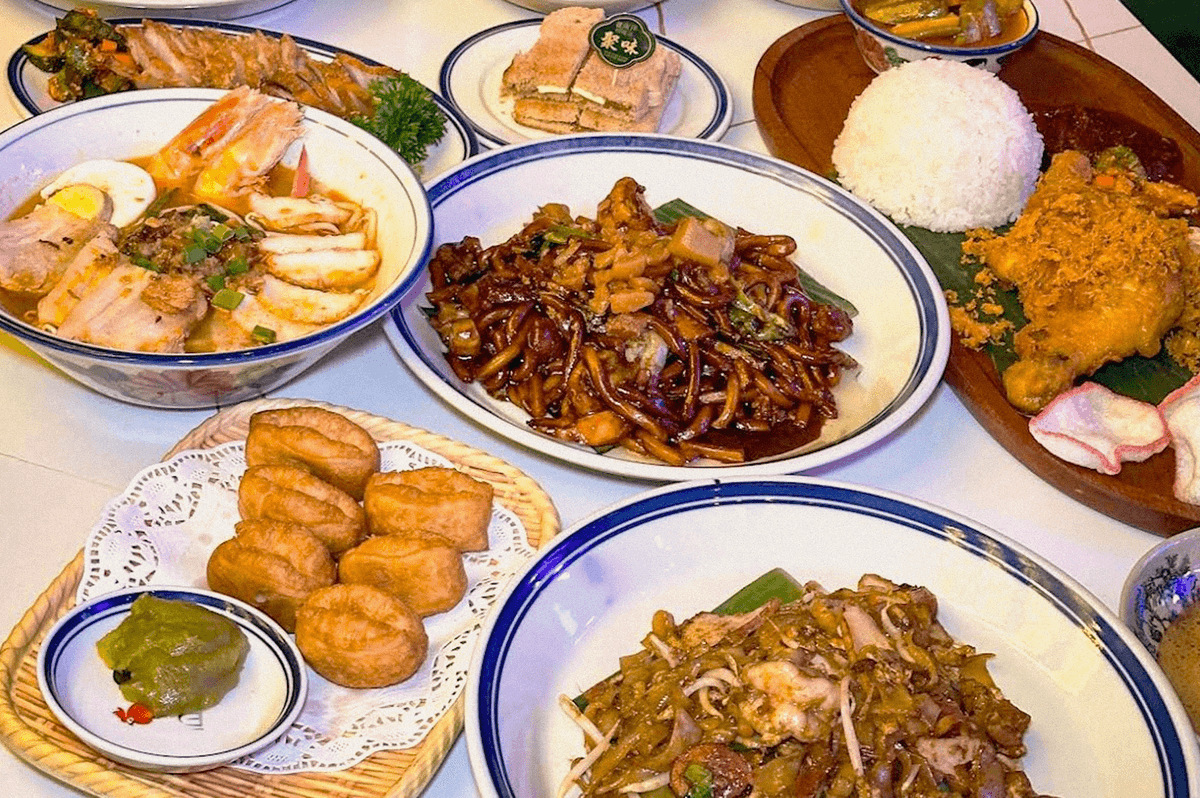
Our food was never meant to sit in tidy national boxes.
The National Heritage Board describes Peranakan cuisine as a blend of Chinese, Malay, Indian, Thai and Western colonial influences, with no single conventional way of preparing it. Read that again. There isn't even one agreed template. So what, exactly, is an AI supposed to match against?
Then there's hawker culture. The National Environment Agency describes it as a microcosm of our multicultural society, dishes carried here by different immigrant communities and slowly reshaped into something local. In 2020, UNESCO inscribed our hawker culture on its Representative List of Intangible Cultural Heritage. That recognition wasn't for a single cuisine. It was for the mixing itself.
So when AI looks at chicken rice and says "Chinese," it isn't lying. It's just missing the migration, the adaptation, the quiet decades that turned it into Hainanese chicken rice as we know it. The NHB is clear that our hawker dishes evolved from immigrant food cultures into distinctive local ones. That evolution is invisible in a photo.
Pro tip: Whenever AI hands you a single confident cuisine label for a Singapore dish, treat it as a first guess, not a verdict. The more certain it sounds, the more I'd double-check.
The Mistakes AI Keeps Making
- Confusing ingredients with cuisine. AI sees coconut milk, chilli, seafood, coriander and jumps to "Thai." But those ingredients live all across Southeast Asia. Ingredients alone prove almost nothing.
- Treating appearance as proof. Two dishes can look nearly identical while hiding completely different spice blends, stocks, and fermentation. The photo records the result, never the process. That's the whole problem.
- Assuming one dish equals one culture. This is the one that troubles me most here. A model that insists a dish belongs only to cuisine X is often less accurate than one that says it reflects several influences. With Peranakan food especially, insisting on a single origin isn't precision. It's a mistake dressed up as confidence.
Five Dishes That Break the System
- Chicken rice. AI usually says "Chinese." But place a plate of pale poached Hainanese chicken beside a darker roasted version and the tool often stumbles, treating the same dish as two different things. Meanwhile the cuisine question, Chinese or Singaporean, it rarely handles with any care.
- Laksa. Ask why it labelled a bowl "Singaporean laksa," and if the answer is just "noodles, coconut milk, seafood, chilli," that's weak. The NHB itself notes real differences between Singapore-style laksa and Penang laksa, including the broth and its sourness. Katong laksa has its own character. A photo alone can't reliably tell you which one you're looking at.
- Peranakan food. This is my favourite stress test, because the cuisine crosses borders by design. Two plates of ayam buah keluak can differ in gravy colour, chilli level, plating, even the cut of chicken, and both remain completely authentic. AI needs to understand that variation doesn't mean a different cuisine. Most tools don't.
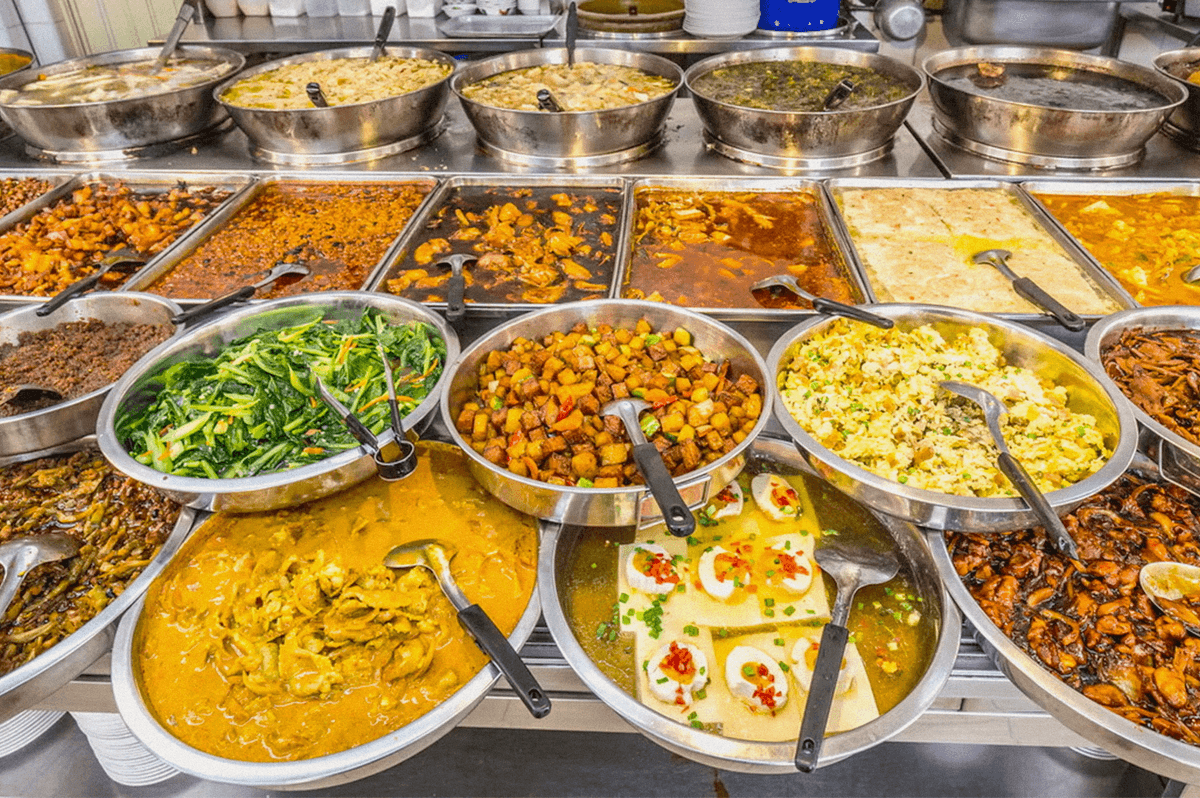
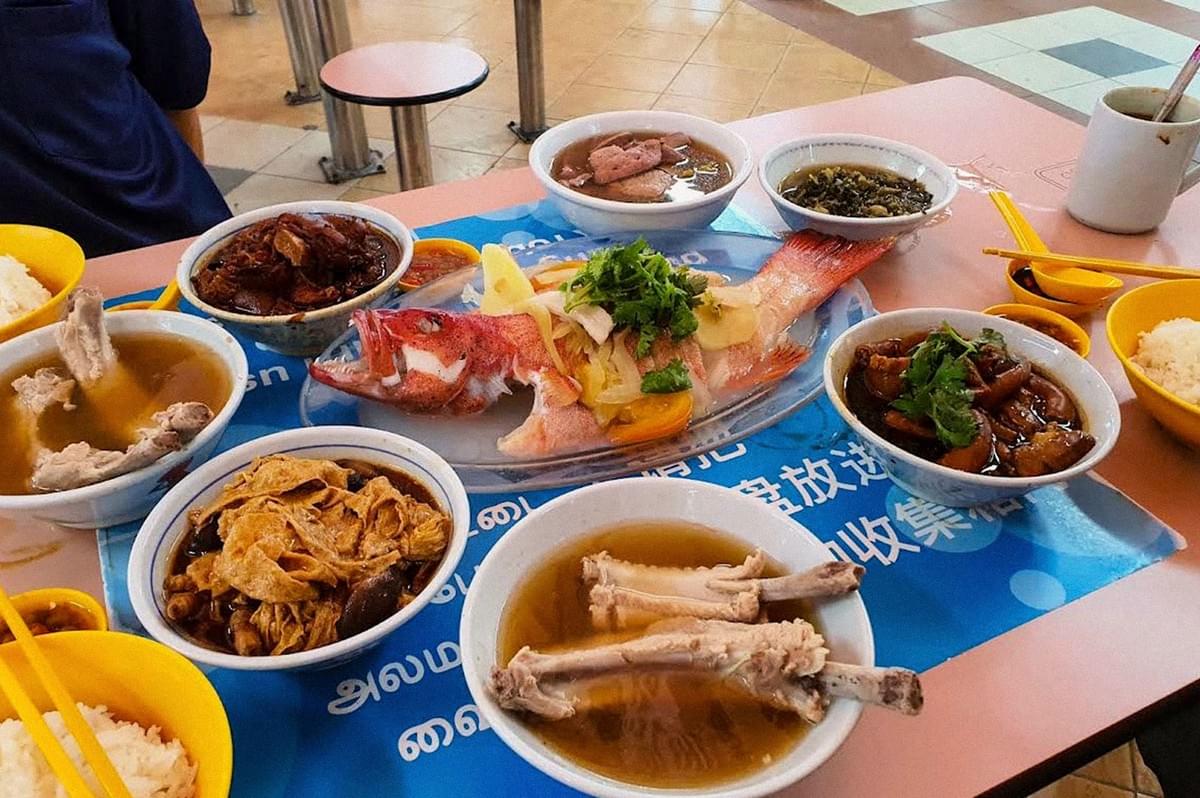
- Mixed hawker plates. Think economic rice at somewhere like Maxwell Food Centre. Rice, a braised meat, curry vegetables, fried fish, tofu, a spoon of sambal, all on one plate. AI isn't identifying one dish here. It's identifying several overlapping ones, and single-dish classification simply wasn't built for that.
- Mod-Sin fusion. The Singapore Tourism Board recognises modern Singaporean cuisine, dishes like satay made with Angus beef or roast duck touched with truffle. Show AI a truffle chilli-crab pasta and it might say "Italian" for the pasta or "Singaporean" for the chilli crab. Neither is fully right. The honest answer is that the dish is deliberately hybrid. It isn't a mistake waiting to be corrected.
Insider knowledge: Some of our best food was created to defy categories. When AI struggles with a Mod-Sin dish, that's not always AI failing. Sometimes it's the dish doing exactly what the chef intended.
How to Test an AI Food Identifier Yourself
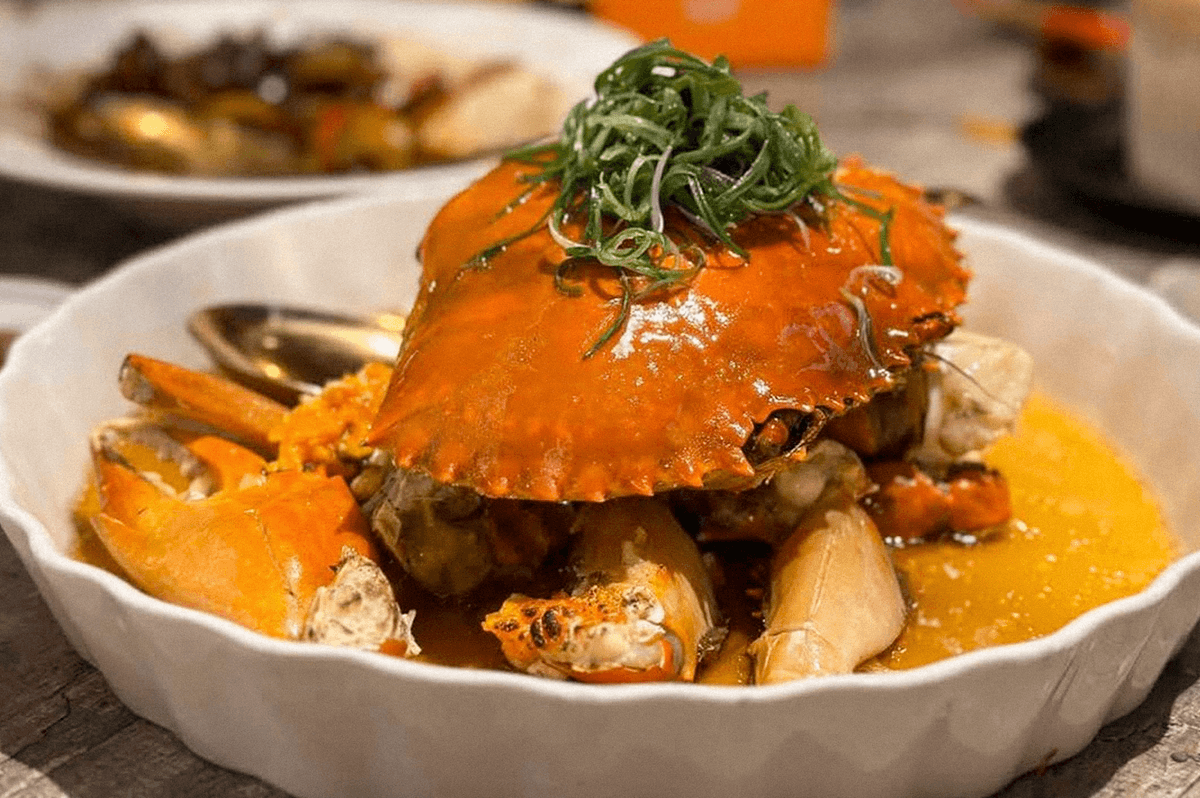
If you want to try this, it takes maybe an afternoon. Here's the process I use.
- Photograph the dish clearly. One shot from above, one at roughly 45 degrees.
- Strip out the clues first. Don't tell it the restaurant, the location, or the dish name. You want to test what it sees, not what it can look up.
- Ask in layers. First, "identify the dish." Then, "what cuisine is this?" Then, "what makes you confident?"
- Record more than right or wrong. I note whether each answer was correct, partly correct, incorrect, honestly uncertain, or a confident hallucination.
- Then add context. Tell it, "this was photographed at a Singapore hawker centre," and watch if the answer shifts.
- Compare. If the answer only improves after you give context, the tool was leaning on clues, not truly reading the food.
I'd suggest testing a real range, too. Include the easy ones like chilli crab and kaya toast, the trickier ones like mee siam and fish head curry, and the genuinely hard ones like mixed rice plates and Peranakan dishes. And please, don't only use beautiful photos. Use messy plates, takeaway boxes, dim lighting. That's how people actually eat.
Why "I'm Not Sure" Is a Good Answer
This might sound strange, but I've come to trust AI more when it admits doubt.
A good system should lower its confidence when a photo is blurry, cropped, badly lit, or showing a fusion dish. "Likely Singaporean or Peranakan, moderate confidence" is a far better answer than a crisp, wrong one. Uncertainty isn't failure. It's honesty, and honesty is exactly what you want when you're about to publish something about someone's heritage.
The tools that worry me are the ones that never hesitate.
Our Conclusion: Mix AI with Realness
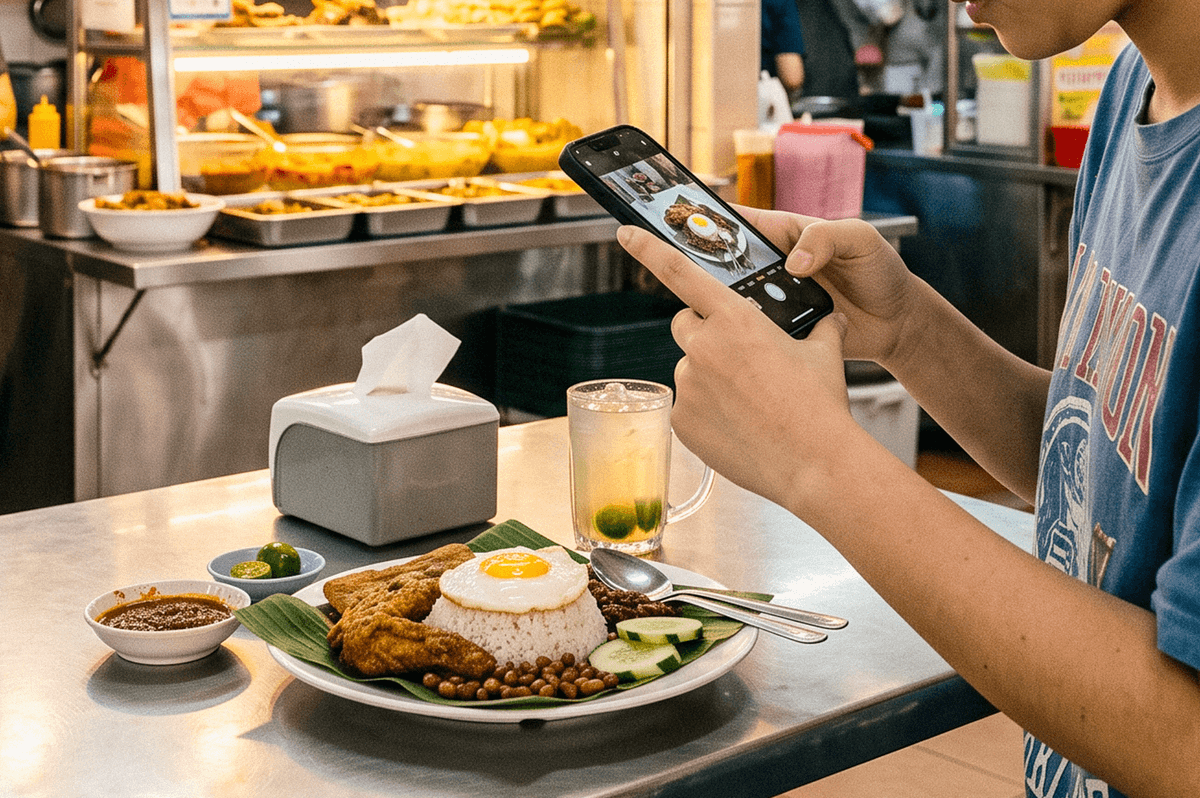
That plate of nasi lemak still sits with me.
AI gave me an answer, and it wasn't useless. It just wasn't the whole truth. And our food is nothing but whole truths, layered on top of each other, carried across oceans, softened by decades of Tuesday lunches at shared tables.
So use these tools. They're genuinely helpful for a first look, a quick sketch, a starting point. But let them start the conversation, not end it. Check the stall's own name for the dish. Ask the uncle behind the counter. Read the heritage sources. Trust the people who've eaten this food since childhood.
A photograph can tell you what food looks like. It can't tell you who made it, or why, or what it means to the person eating it.
That part is still ours to know.
