

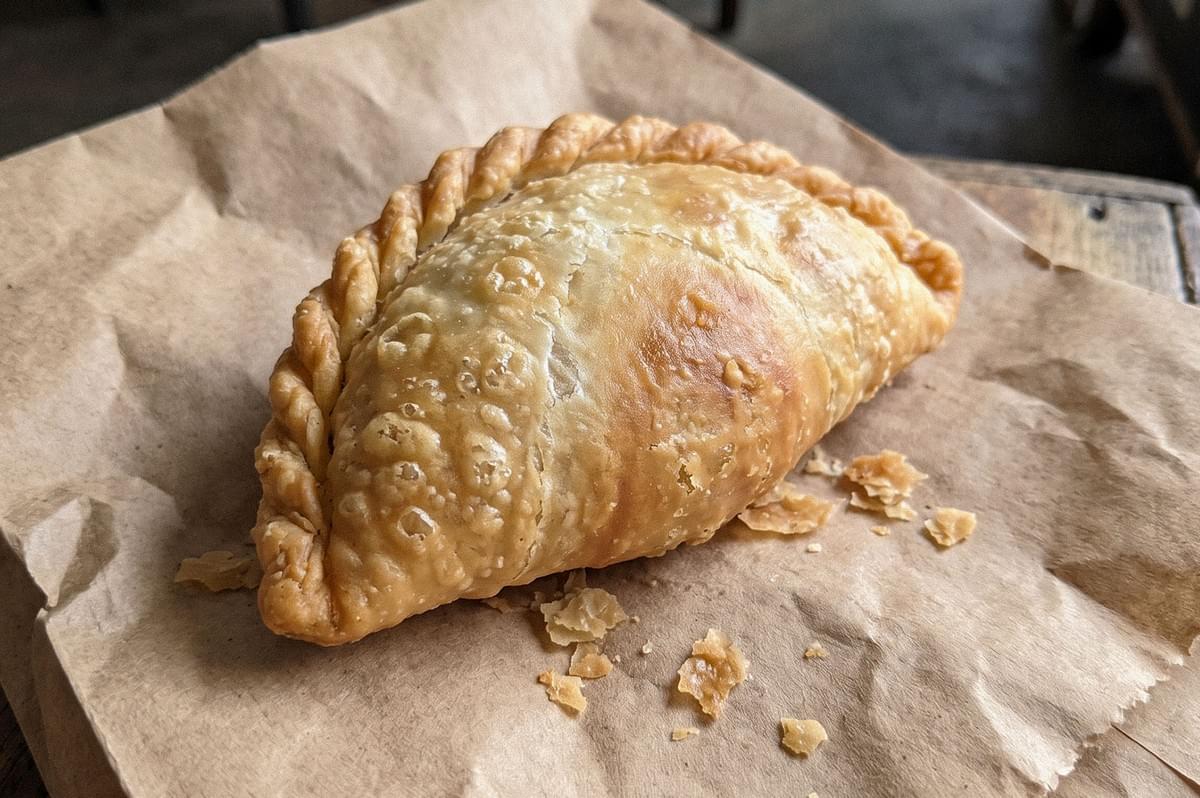
The first thing I noticed was the shine on the curry puff.
Not glossy in the polished, lacquered way food often appears in advertising. This was softer. A little uneven. One edge had blistered more than the other, and a few flakes of pastry had fallen onto the brown paper beneath it.
I loved that immediately.
The woman behind the counter was already reaching for the next order. Tongs clicked. A plastic bag opened with a snap. Outside, Singapore moved past in layers: buses, umbrellas, delivery riders, someone balancing two cups of kopi in a cardboard tray.
The food was beautiful because it belonged there.
And yet, when I later looked at the stall’s online menu, the photographs barely held onto any of that warmth.
When the Budget Is Small
For a small food business, good imagery can feel like a luxury stacked on top of other, more urgent costs.
There is rent. Packaging. Ingredients. Staff. Equipment that breaks at exactly the wrong moment.
A full production shoot may simply not fit.
This is where accessible AI tools can become interesting to me, not as a replacement for the food, or for the person who made it, but as a way of stretching what already exists.
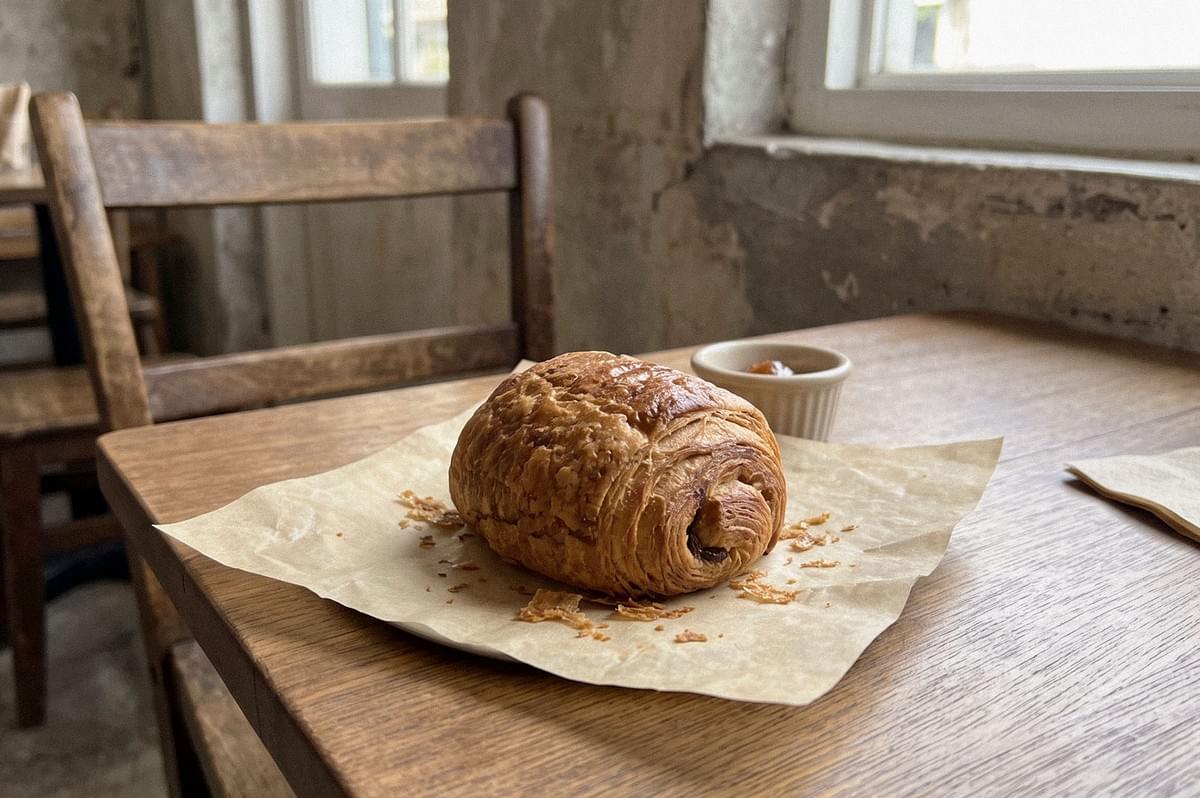
A simple phone photograph might be gently cleaned up. A distracting background can become calmer. Lighting can be balanced. A menu image can feel more coherent without transforming the dish into something unrecognisable.
Sometimes that small shift is enough.
Not Every Kitchen Needs the Same Recipe
The danger comes when accessibility turns into sameness.
Not every bakery needs pale stone surfaces and linen napkins. Not every hawker stall needs dramatic shadows. Not every home-based food business needs the visual language of a restaurant campaign.
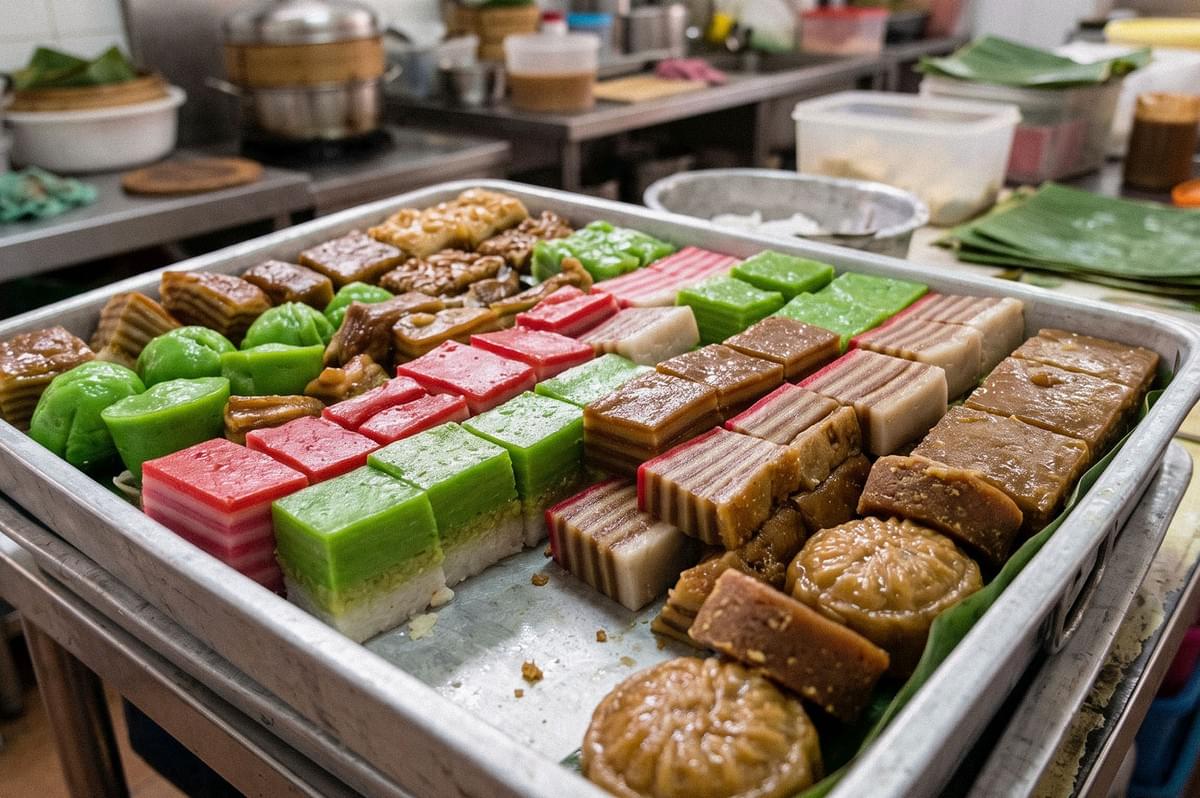
I think about a tray of colourful kueh pressed closely together, their surfaces slightly tacky in the humidity. Their abundance is part of their character. Separating them onto elegant individual plates might make the image cleaner, but it could also make the food less itself.
The right visual choice depends on what the business is trying to say.
AI can offer options. It should not decide the personality.
Keeping the Food in the Picture
What I keep returning to is proportion.
A small business does not need to imitate a larger one to deserve strong images. It may simply need pictures that are clearer, warmer, and more faithful to what arrives across the counter.
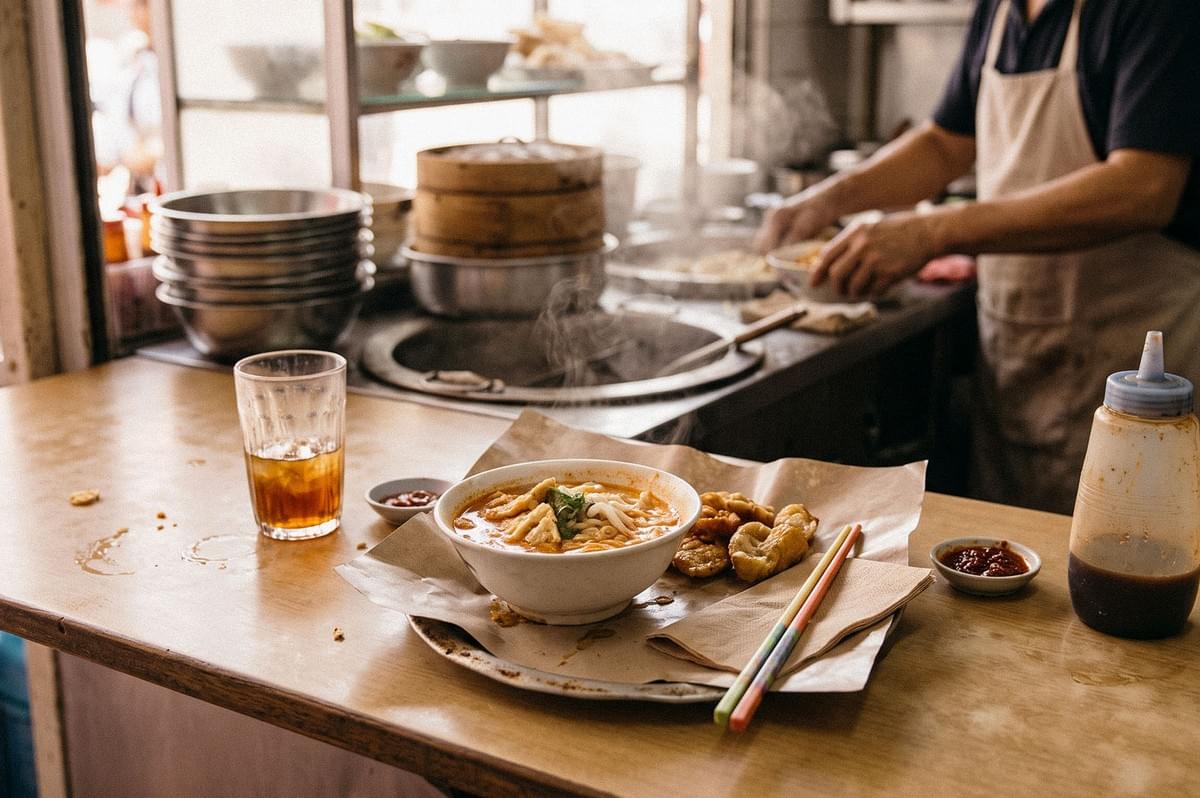
Sometimes the best image still contains the folded paper, the imperfect edge, the crowded tray.
Technology can help refine the frame.
But the food—and the life around it—should remain visible.
