

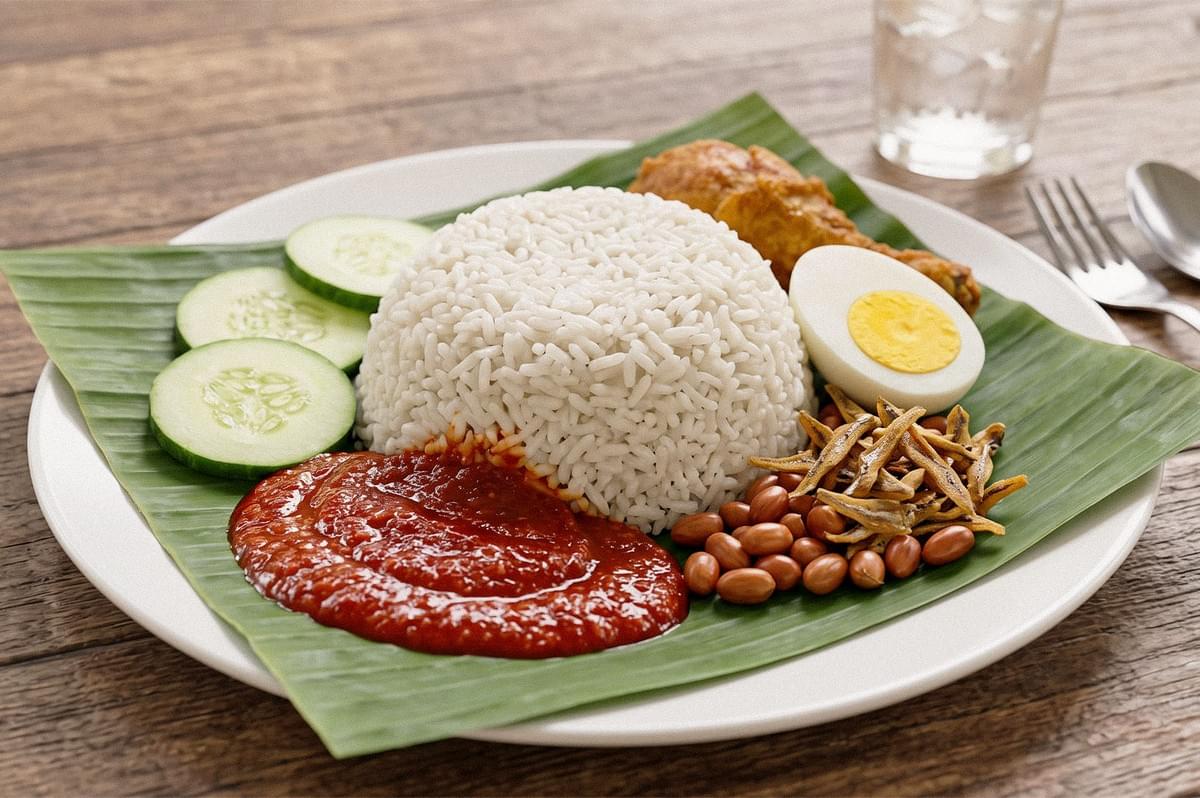
The sambal was too tidy.
That was what caught me first. A perfect red crescent beside the rice, glossy but restrained, as if someone had combed it into place. The cucumber slices were evenly spaced. The egg sat at precisely the right angle. Everything looked appetising.
And somehow, very little looked lived in.
I had asked an AI image tool for nasi lemak. What came back was recognisable, polished, and strangely familiar. Not familiar in the way breakfast at a kopitiam is familiar, with condensation beading on a plastic cup and a torn corner of banana leaf curling upward. Familiar in the way food advertising is familiar.
Clean plate. Controlled garnish. Carefully managed mess.
The Visual Grammar of “Delicious”
That made me wonder whose idea of delicious the machine had absorbed.
I began looking more closely.
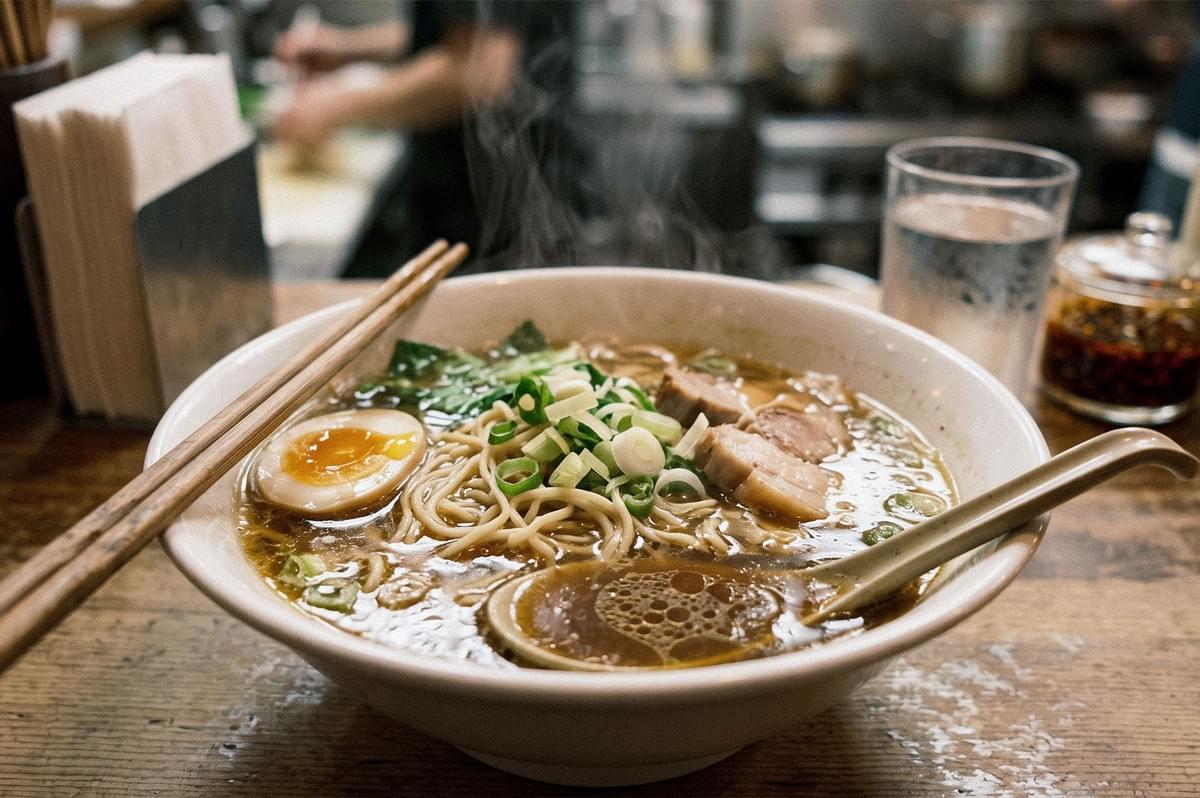
Generate a noodle dish and the broth often gleams under soft studio light. Ask for dessert and the plate arrives with deliberate negative space, perhaps a berry placed off-centre, perhaps a dusting of sugar that looks almost architectural. Ask for something rustic and even the rusticity can feel styled: one crumpled napkin, one chipped bowl, crumbs scattered with suspicious elegance.
These choices are not neutral.
They come from images already made, selected, published, tagged, circulated, and repeated.
And some kinds of food have been photographed far more often than others.
What Falls Outside the Frame
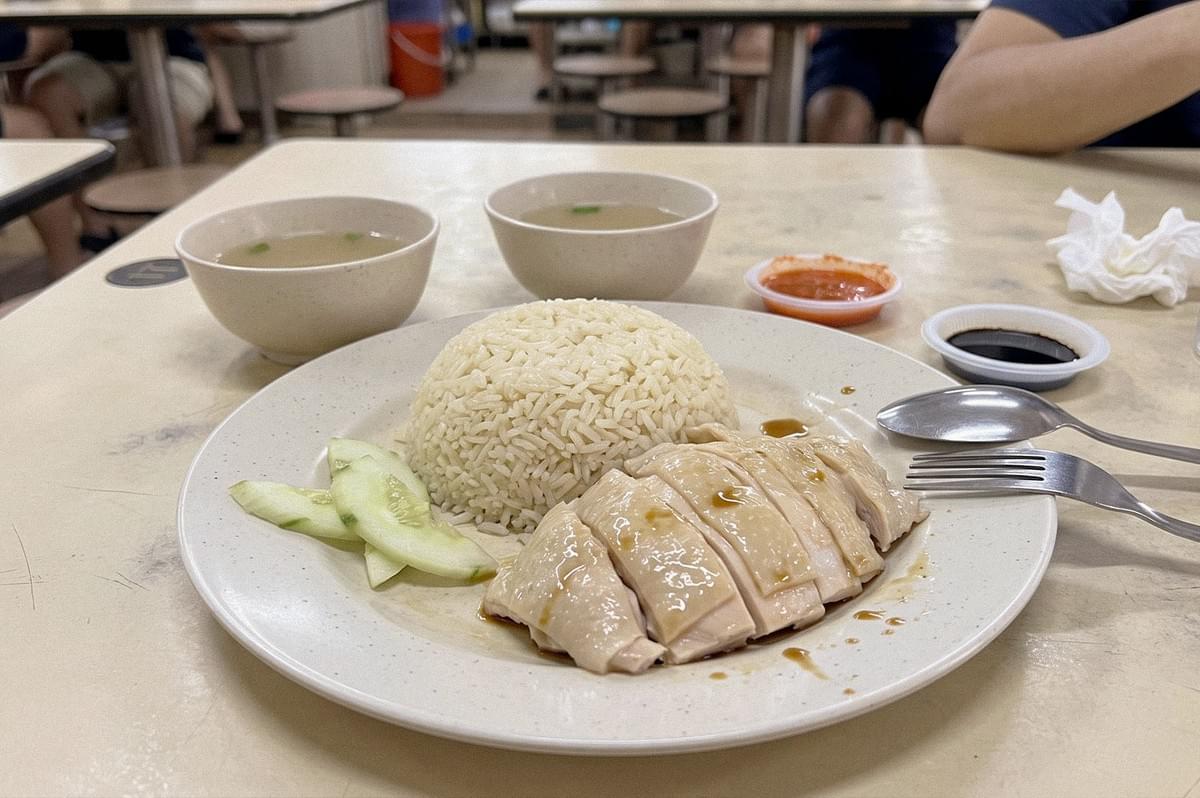
In Singapore, that imbalance feels especially visible because food rarely fits neatly into one visual language. A plate of chicken rice may arrive pale, glossy, and modest. Fishball noodles can look almost monochrome before chilli changes everything. Kueh may be intensely coloured, softly irregular, compressed into plastic trays rather than arranged on ceramic plates.
None of this makes them less beautiful.
But beauty here often depends on context.
It is the sheen on a spoon after it has passed through laksa broth. The waxy fold of paper around char kway teow. The small puddle of sauce at the edge of a plate. The way two dishes crowd a hawker-centre table because there was never meant to be much empty space.
When AI repeatedly produces the same polished visual grammar, I notice what disappears.
Not just certain cuisines, but certain ways of presenting them. Certain kinds of abundance. Certain textures of everyday eating.
Looking Beyond the First Answer
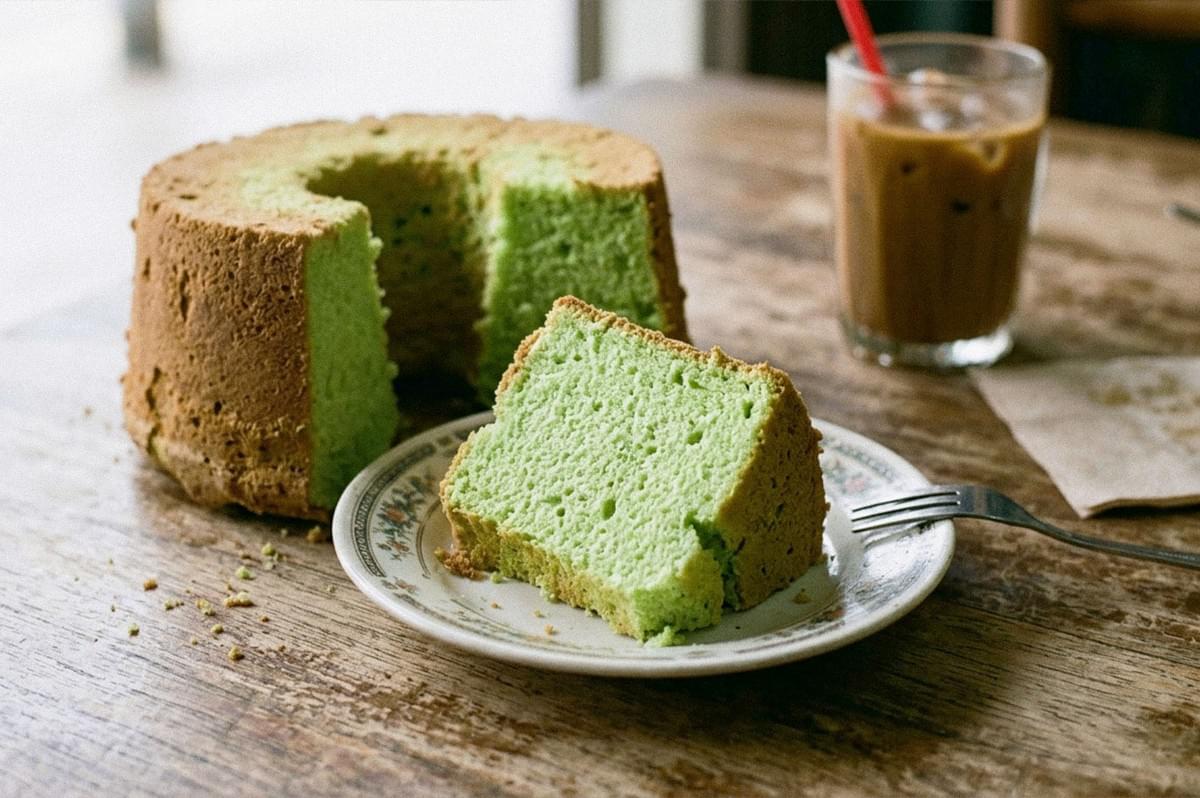
I still find AI fascinating as a styling partner. But now I look at its first answer as a clue rather than a conclusion.
If a machine keeps showing me one version of appetising, I want to know what taught it to look there first.
And just as importantly, what was standing outside the frame.
