• Home
  • About Us
  • Al Photography 
    • Food Styling with AI
    • AI Editing Tips
    • Lighting & Composition
    • AI-Generated Photos
    • Social Media & Marketing
  • Framing the Future
  • Blog
  • …  
    • Home
    • About Us
    • Al Photography 
      • Food Styling with AI
      • AI Editing Tips
      • Lighting & Composition
      • AI-Generated Photos
      • Social Media & Marketing
    • Framing the Future
    • Blog
  • Home
  • About Us
  • Al Photography 
    • Food Styling with AI
    • AI Editing Tips
    • Lighting & Composition
    • AI-Generated Photos
    • Social Media & Marketing
  • Framing the Future
  • Blog
  • …  
    • Home
    • About Us
    • Al Photography 
      • Food Styling with AI
      • AI Editing Tips
      • Lighting & Composition
      • AI-Generated Photos
      • Social Media & Marketing
    • Framing the Future
    • Blog

The Technical Side of Appetite Appeal in AI Food Photography

· Daniel Hart,Framing the Future,AI Evolution
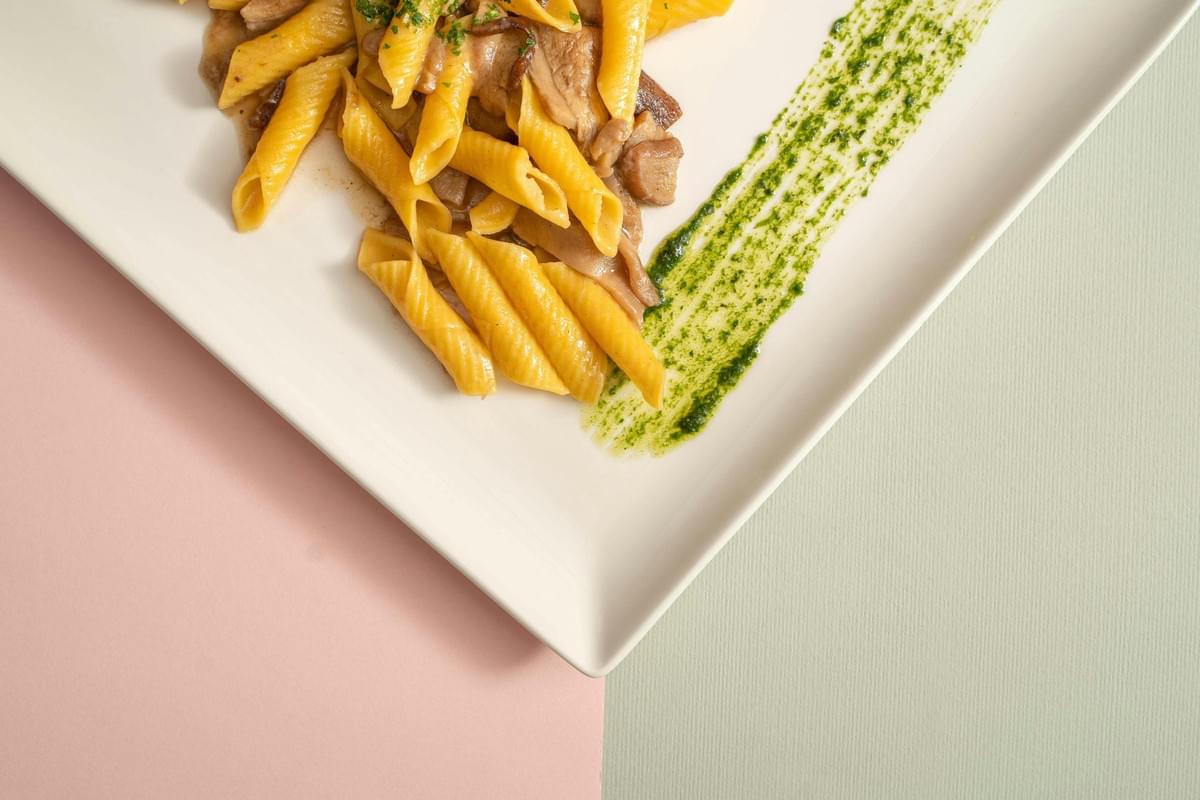
A top-down, angled shot shows a square white plate of yellow penne pasta with mushrooms and a vibrant green sauce swipe, placed on a split background of pink and sage green. The dish is neatly arranged on one side of the plate, accentuating a minimalist and modern culinary presentation.

Not every beautiful food image makes you hungry.

That was the first thing I noticed while reviewing a set of AI-generated dessert visuals. The cakes were symmetrical, the glaze was reflective, and the background was softly blurred. Technically, nothing seemed wrong. But the image felt sterile. It looked polished, not edible.

That distinction matters in the evolution of AI food photography. Appetite appeal is not created by detail alone. It is built through contrast, texture, color separation, and directional light working together with restraint.

Contrast Gives Food Structure
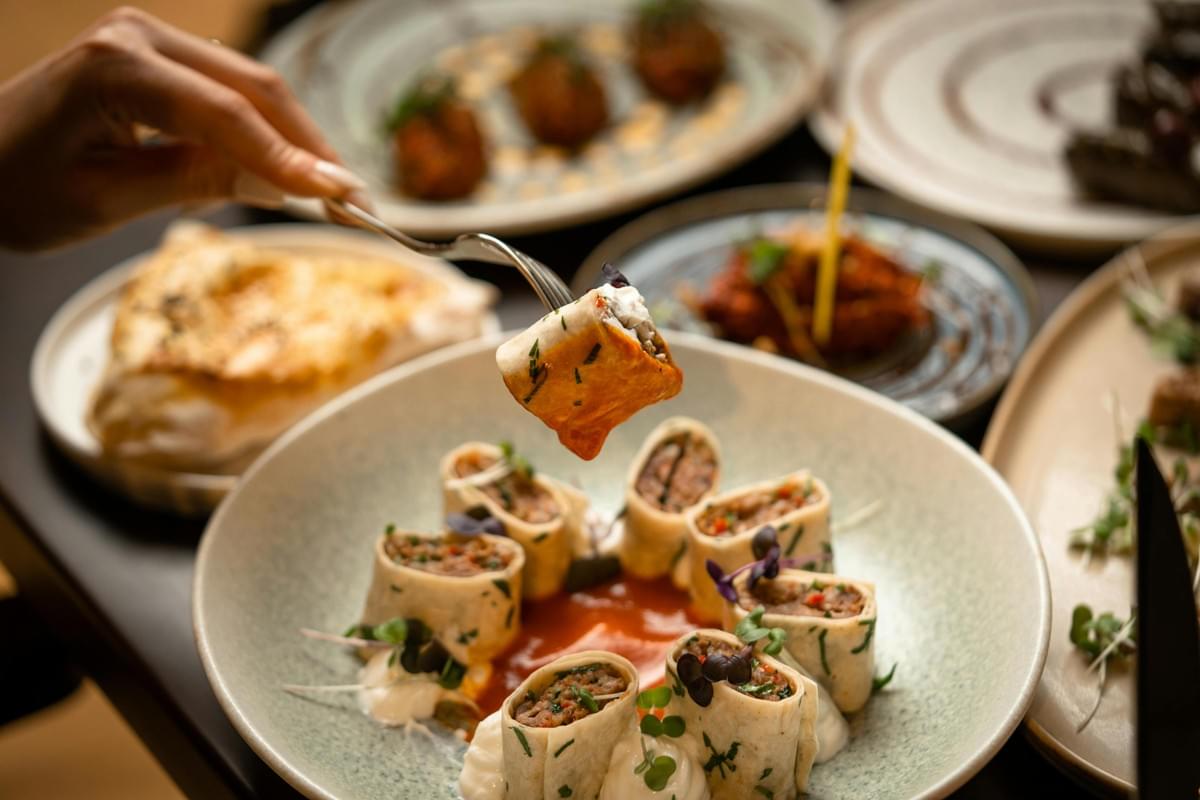
A hand uses a fork to lift a piece of savory rolled wrap from a plate filled with similar sliced pinwheels arranged over a red sauce and white cream. In the background, other gourmet dishes are subtly blurred on a dark restaurant table.

In food photography, contrast controls how the eye reads form.

A pastry crust needs enough tonal separation to show its flaky edges. A grilled surface needs darker marks against a warmer base to suggest heat. A creamy sauce needs gentle shadowing so it does not flatten into a single pale shape.

AI often produces images with global brightness instead of controlled contrast. Everything appears visible, but nothing feels dimensional.

When I refine AI food visuals, I look first at the value range. The highlights should guide attention, not cover the entire dish. The shadows should support depth, not disappear completely. Appetite begins when the viewer can sense shape before reading detail.

Texture Sharpness Must Be Selective
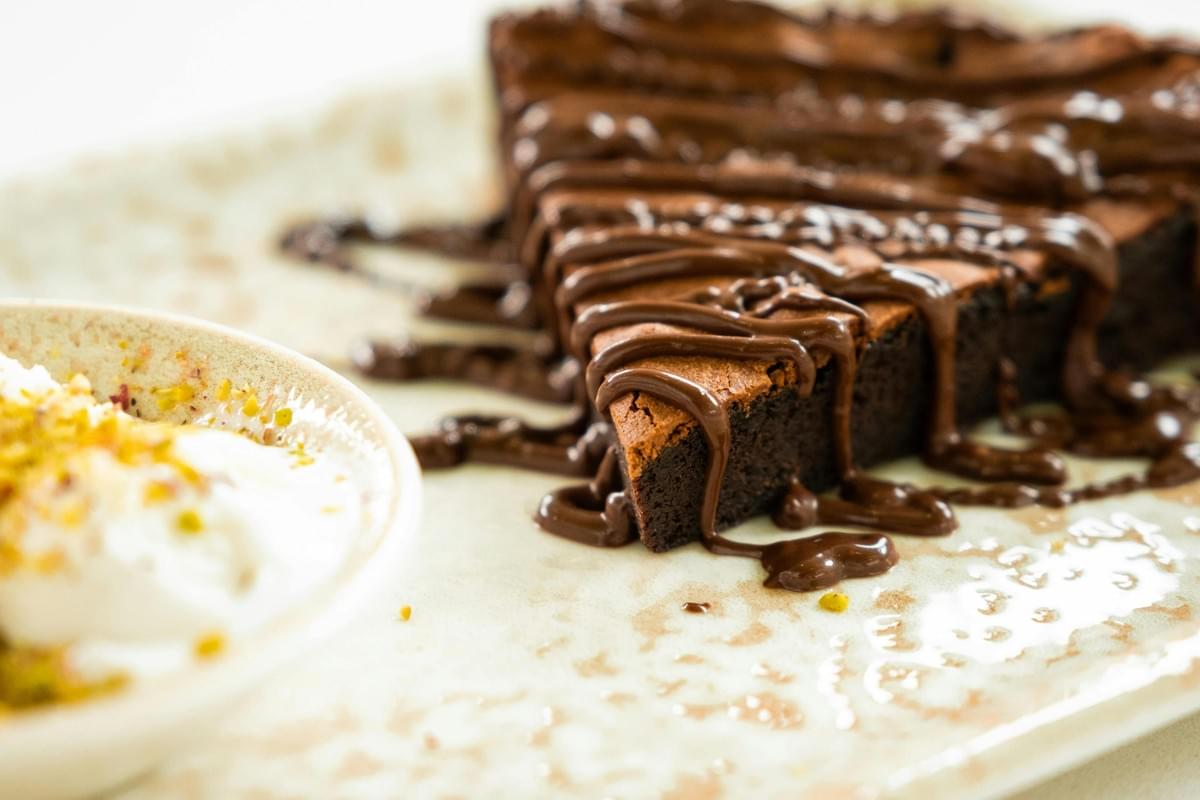
A wedge of rich chocolate brownie cake sits on a speckled plate, generously drizzled with thick chocolate sauce. Next to the dessert, a small white bowl holds a scoop of vanilla ice cream topped with crushed green pistachios.

Sharpness is useful only when it has hierarchy.

A crisp fried edge should carry more definition than the plate behind it. A glossy glaze should have smooth transitions, not excessive micro-detail. Fresh herbs can tolerate sharp edges, while soft cream requires a gentler surface.

AI sometimes sharpens everything equally. This creates visual noise.

A more appetizing result comes from selective texture emphasis. The focal ingredient should receive the clearest detail. Supporting elements should remain slightly quieter. This mimics how a camera lens, and the human eye, naturally prioritize food.

Color Separation Creates Freshness
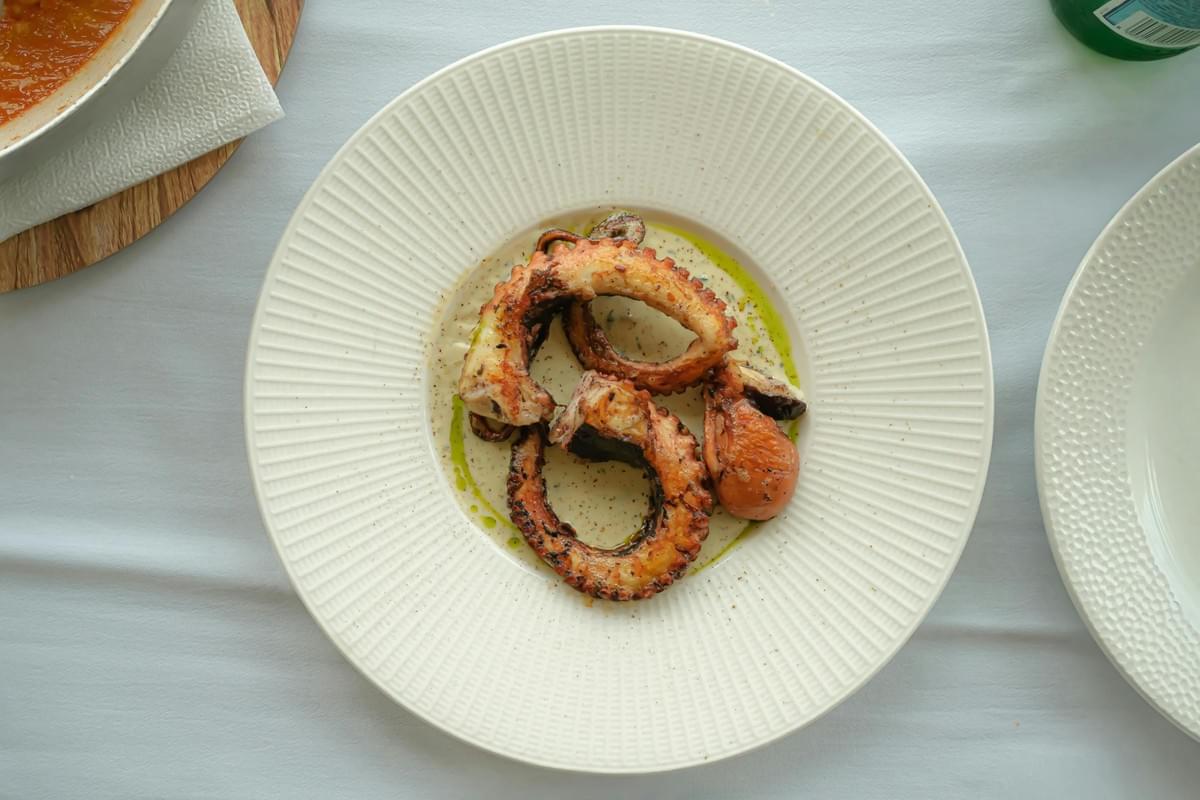
A top-down view shows a white, textured plate containing grilled octopus tentacles arranged in the center. The tentacles rest on a light-colored creamy sauce drizzled with green oil and sprinkled with black pepper.

Color is one of the fastest signals of appetite.

Warm browns suggest roasting. Bright greens suggest freshness. Deep reds can imply ripeness, spice, or richness. But these colors must remain distinct enough to read clearly.

When AI blends tones too smoothly, food can lose its visual identity. A golden crust, pale sauce, and beige plate may merge into one flat palette. Subtle color separation keeps each element legible.

Lighting Direction Makes Food Feel Physical
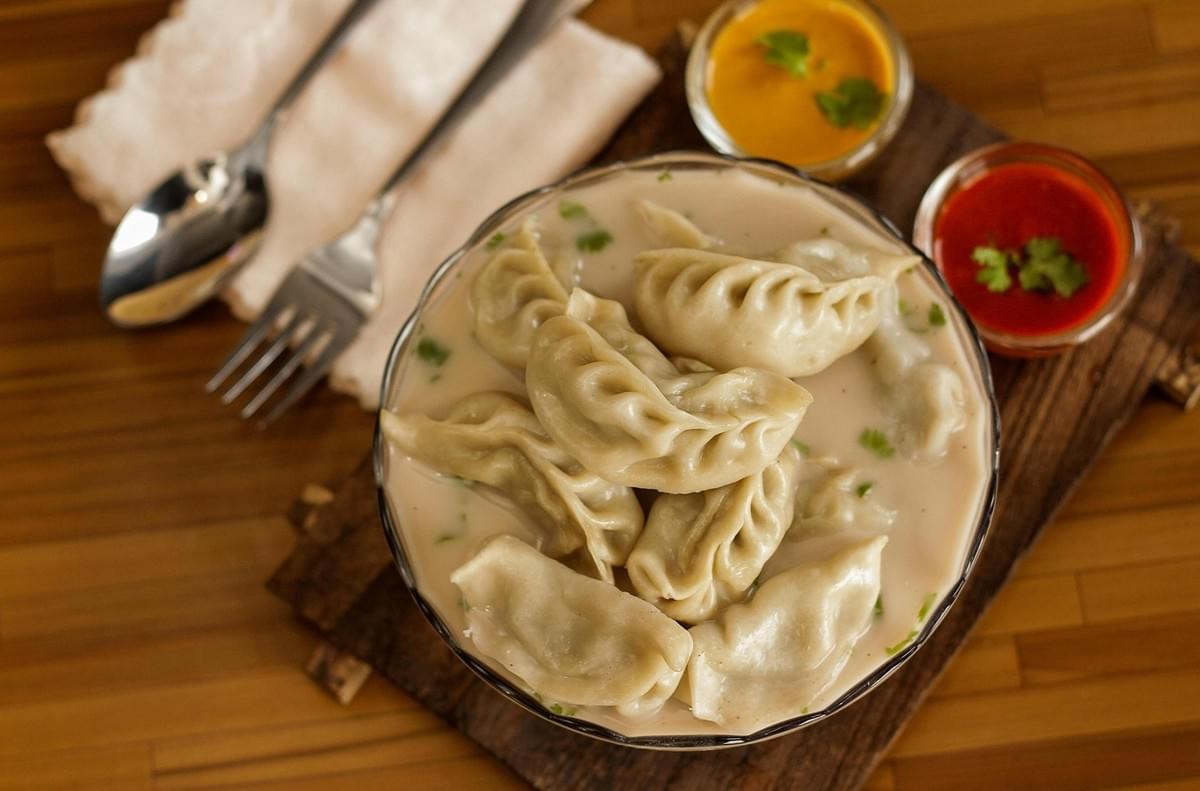
A large clear bowl is filled with pleated dumplings submerged in a creamy, light-colored broth and garnished with fresh cilantro. The bowl sits on a rustic wooden board alongside a fork, spoon, and two small dishes containing vibrant red and yellow dipping sauces.

The most convincing AI food images usually have one clear light source.

Directional light creates contact shadows, surface sheen, and believable depth. It tells the viewer where the food sits in space.

As AI food photography evolves, the strongest results will not come from maximum realism. They will come from controlled visual decisions that make food feel specific, textured, and ready to eat.

Previous
Can AI Understand Appetite? The Human Side of Food Styling
Next
Why Crunch, Steam, and Gloss Matter More Than Perfection
 Return to site
strikingly iconPowered by Strikingly
Cookie Use
We use cookies to improve browsing experience, security, and data collection. By accepting, you agree to the use of cookies for advertising and analytics. You can change your cookie settings at any time. Learn More
Accept all
Settings
Decline All
Cookie Settings
These cookies enable core functionality such as security, network management, and accessibility. These cookies can’t be switched off.
These cookies help us better understand how visitors interact with our website and help us discover errors.
These cookies allow the website to remember choices you've made to provide enhanced functionality and personalization.
Save