

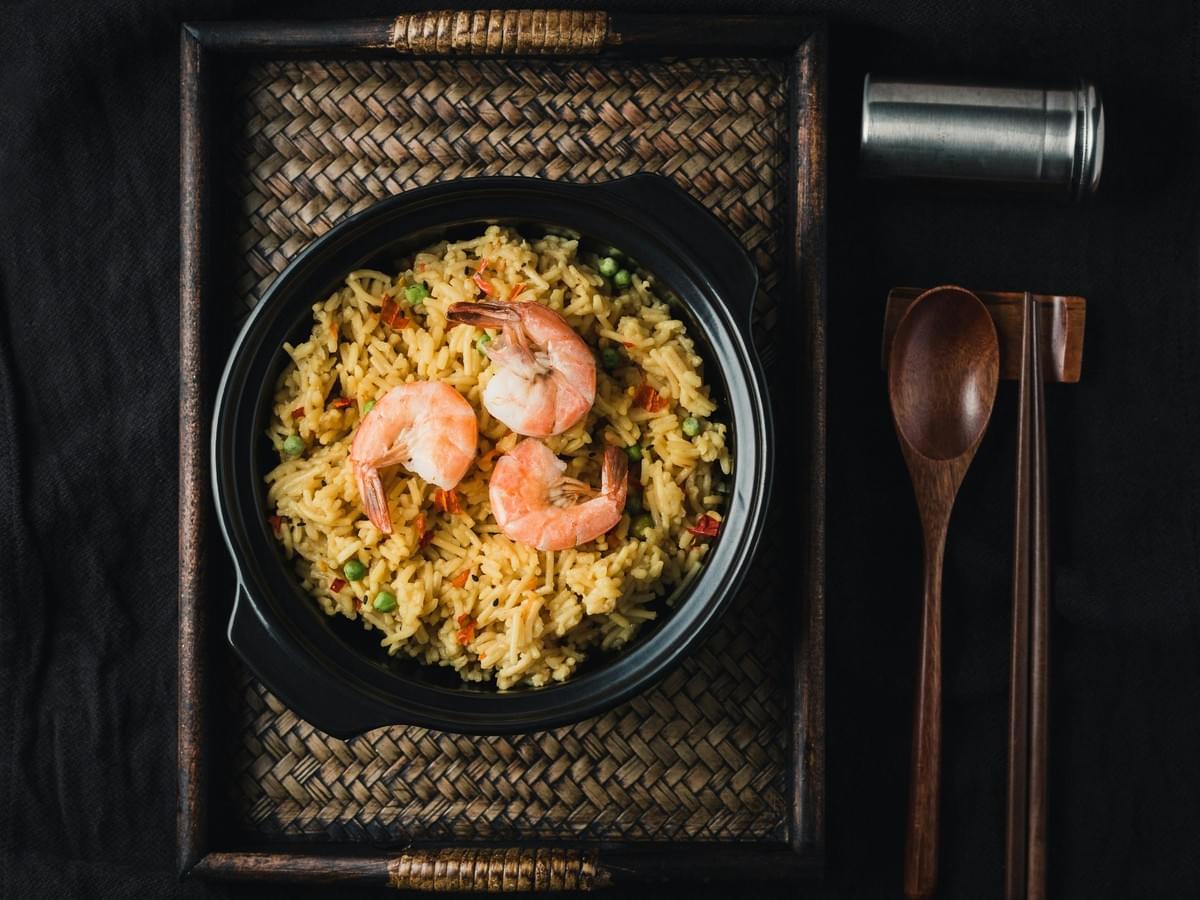
A softly lit restaurant table holds a bowl of handmade pasta, a glass of natural wine, folded linen, and a small ceramic plate against a warm, blurred interior.
A restaurant in Copenhagen can now look strangely similar to one in Seoul.
The ingredients may be different. The dishes may come from separate culinary traditions. Yet the visual signals often feel familiar.
Handmade ceramics.
Soft natural light.
A loosely folded napkin placed beside an imperfect plate.
We have become remarkably fluent in this language.
I notice it whenever I move between restaurant photographs online. Before reading the location, menu, or caption, I can often recognise what kind of dining experience an image is trying to communicate.
The setting may promise intimacy, craft, seasonality, or quiet luxury.
These ideas are rarely explained.
They are styled.
The Cues We Have Learned to Read
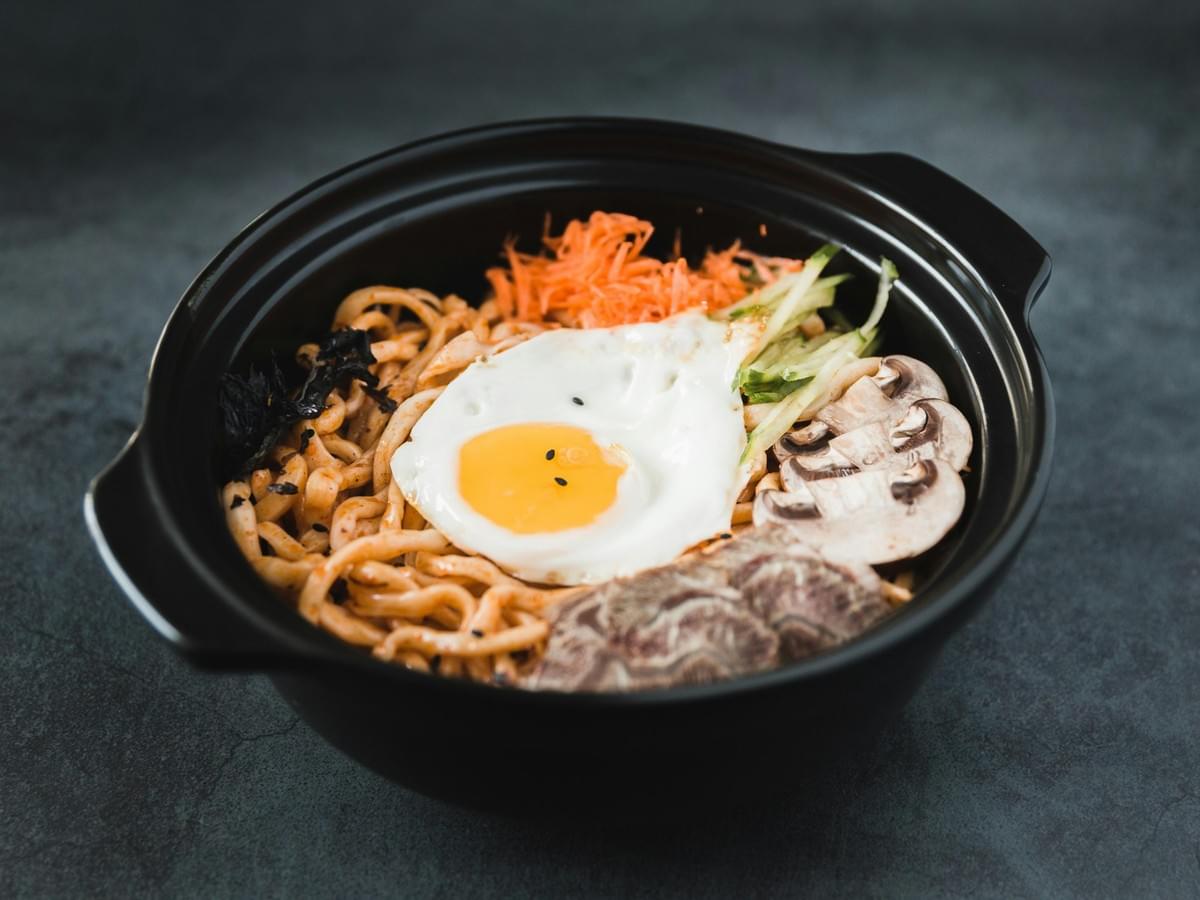
A small plate of grilled vegetables is arranged on speckled ceramic beside a linen napkin, metal cutlery, and a glass of amber-coloured wine on a wooden table.
Food imagery has always relied on visual signals.
A white tablecloth once suggested formality. A silver serving dish implied ceremony. A crowded table communicated abundance.
Today, those cues travel more quickly.
Social media, as explained in Global Dining Trends, allows one restaurant’s visual identity to appear almost instantly on thousands of screens. Its lighting, plating, furniture, and photography can be studied, repeated, and adapted before most viewers ever taste the food.
A shallow bowl suggests modernity.
Visible fermentation suggests craft.
An unfinished wooden table suggests honesty.
None of these meanings are universal, yet repeated imagery has made them increasingly recognisable.
We do not simply see a dish.
We read the world built around it.
When Local Food Adopts a Global Frame
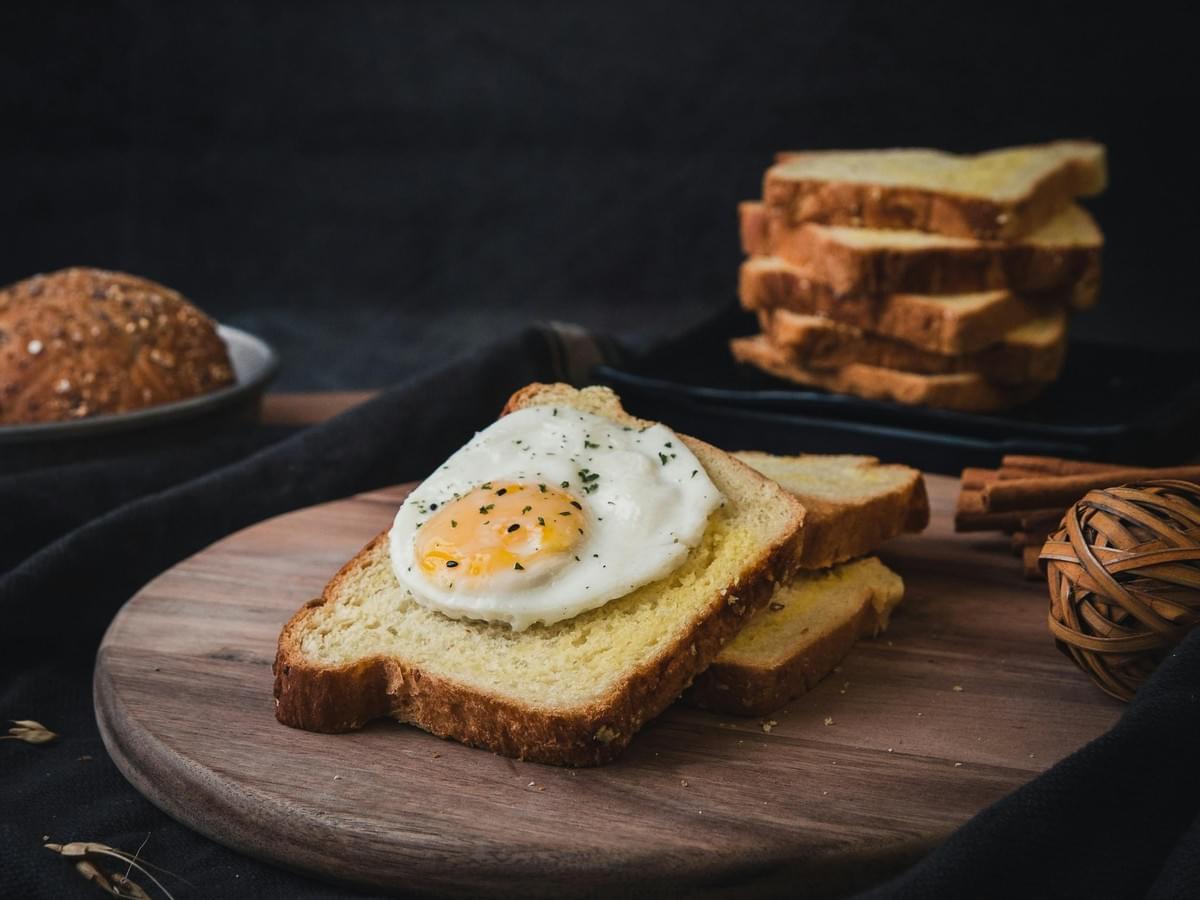
A traditional rice dish is served on a minimalist stoneware plate with edible flowers, polished cutlery, and a small sauce vessel in a contemporary dining room.
This shared visual language can create connection.
A diner may encounter an unfamiliar cuisine but understand how the image wants to be experienced. The styling provides a familiar entry point.
At the same time, something can become quieter in translation.
When every cuisine is photographed through the same soft lighting, restrained composition, and carefully imperfect table setting, visual distinction begins to narrow.
The food remains local.
The frame becomes global.
This is not necessarily a loss of authenticity. Food cultures have always borrowed, adapted, and responded to changing tastes.
But visual standardisation can make difference harder to see.
A dish may carry history, climate, migration, and memory, while the photograph presents it using the same cues as every other contemporary restaurant.
What AI Learns From Repetition
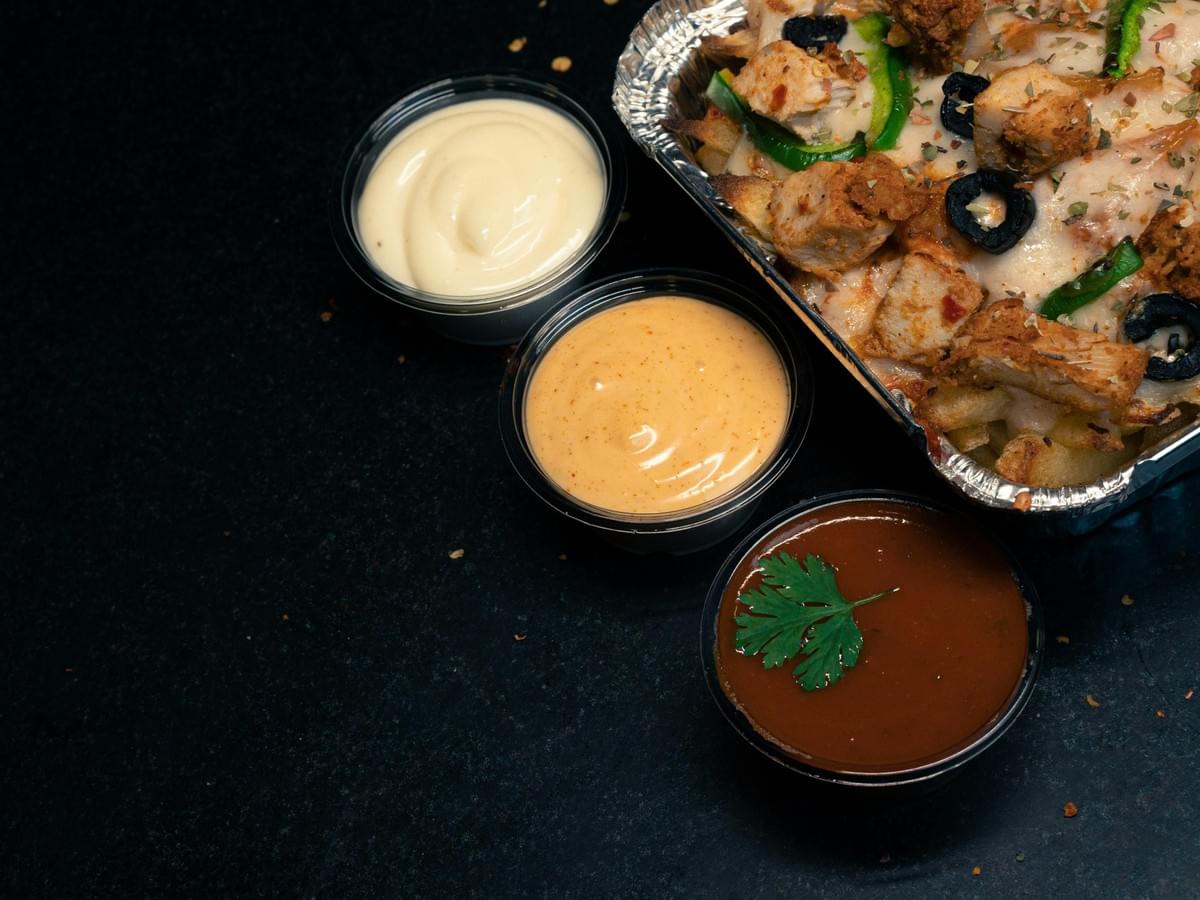
A digitally generated restaurant scene shows several small plates, handmade ceramics, warm candlelight, and casually arranged cutlery on a textured table.
AI image models understand this global visual language particularly well.
They have seen its patterns repeated across menus, magazines, restaurant websites, and social platforms. Ask for a modern dining scene, and familiar elements quickly appear.
Muted colours.
Directional light.
Artisanal surfaces.
A composition that feels casual but remains carefully controlled.
The result may be beautiful.
It may also feel culturally unlocated.
As creators, the challenge is no longer simply generating an attractive food image. It is deciding which visual cues belong to the story and which have been added only because they are widely recognised.
Does the ceramic plate reveal something about the cuisine?
Does the lighting reflect the place?
Could this table exist anywhere?
The visual language of food may be becoming global, but that does not mean every image must speak with the same accent.
The most memorable food visuals may be the ones that remain understandable while preserving something that cannot be seen anywhere else.
