

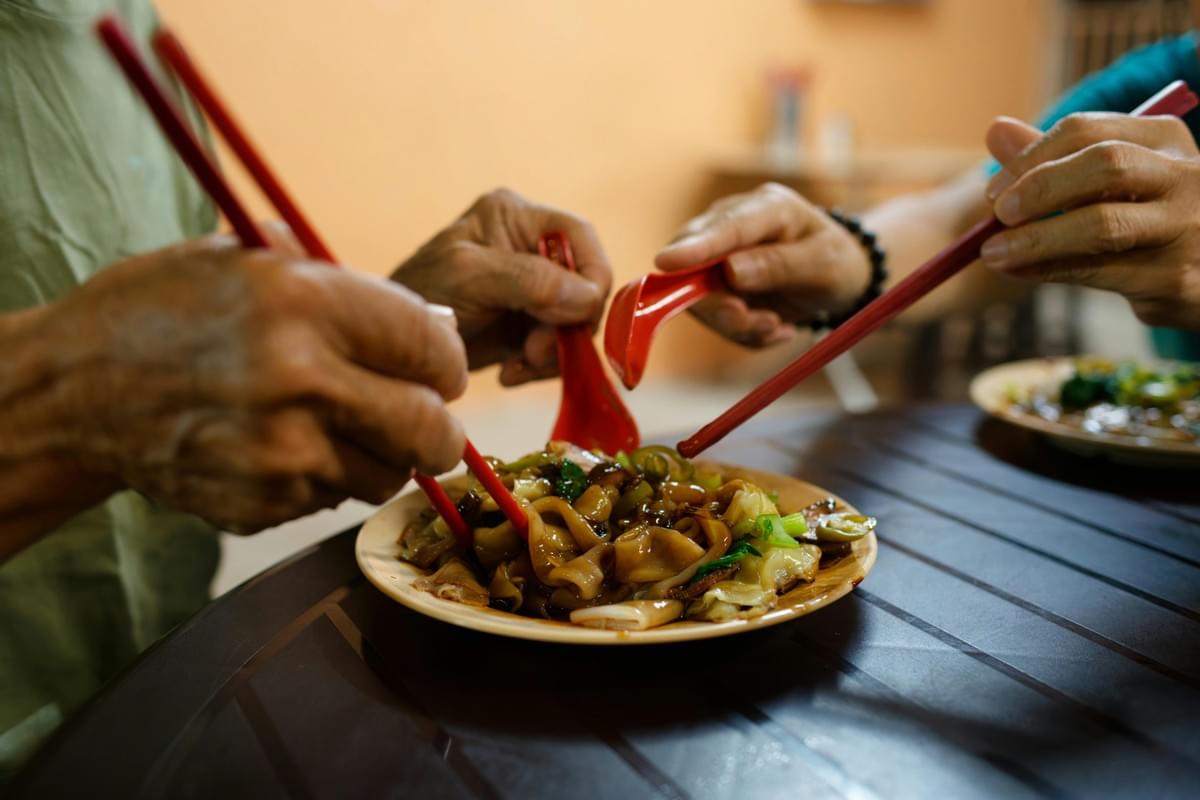
The first hawker scene I generated with AI food photography came back looking like a boutique bistro in a renovated shophouse. Marble table. A single artful sprig of coriander. Soft golden lighting from a window that no hawker centre I know has ever had.
The problem? I had prompted a plate of chicken rice.
The dish was fine. The story around it was completely wrong. That plate belongs on white melamine, under fluorescent tubes, on a laminated background surface with a queue building behind me at a hawker stall. AI had given me the food but stripped away everything that made it ours — the authentic life of Singapore’s hawker centres like Changi Village Hawker Centre or Golden Mile Food Centre.
That failure taught me the central lesson of this guide: with food photography, the environment carries as much meaning as the dish. Get the setting wrong, and even an accurate plate feels like it wandered into the wrong world.
Why the Environment Does the Storytelling in AI Food Photography and Restaurant Food Photos
Here's something I had to learn the hard way: a bowl of laksa, on its own, tells you almost nothing about where it lives.
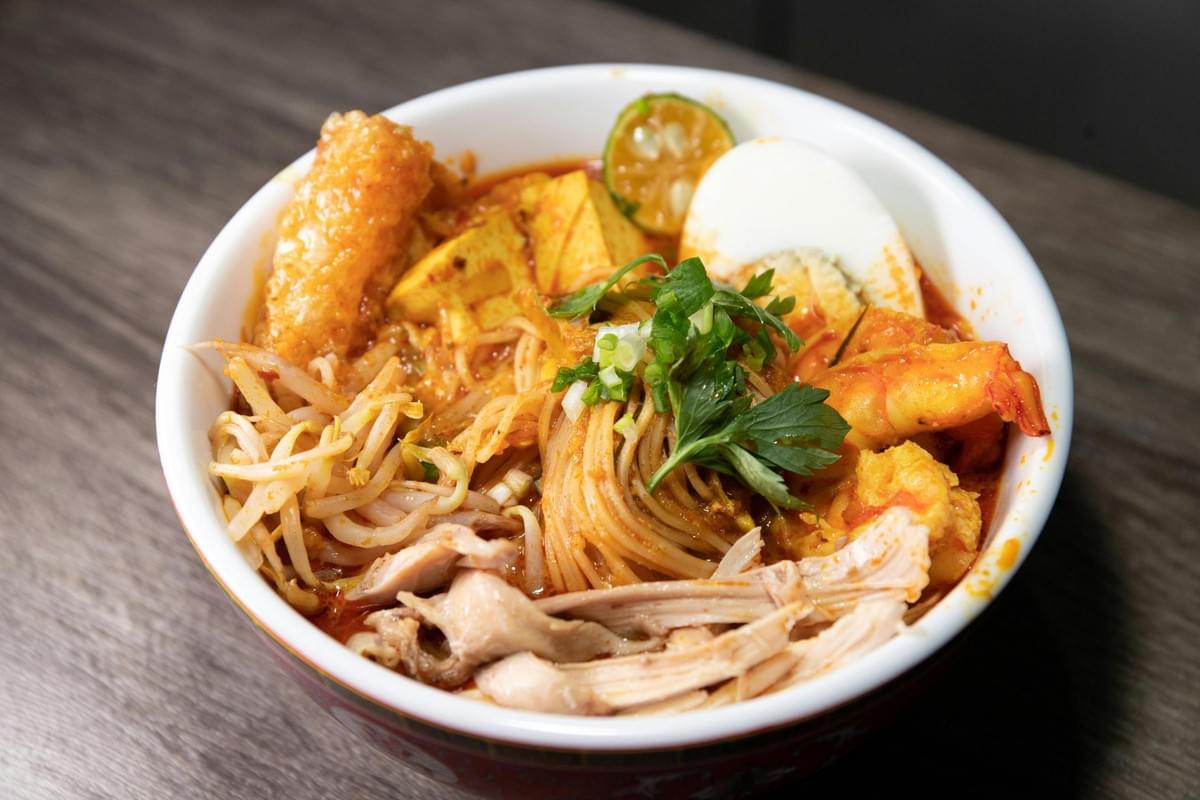
Put it on a ceramic bowl with a linen napkin and pendant lighting, and it reads as a modern restaurant. Put it in a melamine bowl with a plastic spoon on a laminated table at a bustling food centre, and it reads as a hawker centre. Same broth. Same noodles. Two completely different stories.
Restaurant-style images are built on refinement — marble tabletops, elegant ceramics, polished cutlery, soft ambient lighting, white tablecloths, negative space, and careful, minimalist plating. They sell sophistication and quality.
Hawker-style images are built on authenticity — plastic trays, melamine bowls, fluorescent light, laminated tables, generous practical portions, and a bit of natural mess. They document everyday life and community.
In my experience, most food creators think they're prompting a dish. They're actually prompting a world. The food is only one object in it.
The Price Test I Use Before Every Prompt for Hawker Stalls and Food Centre Dishes
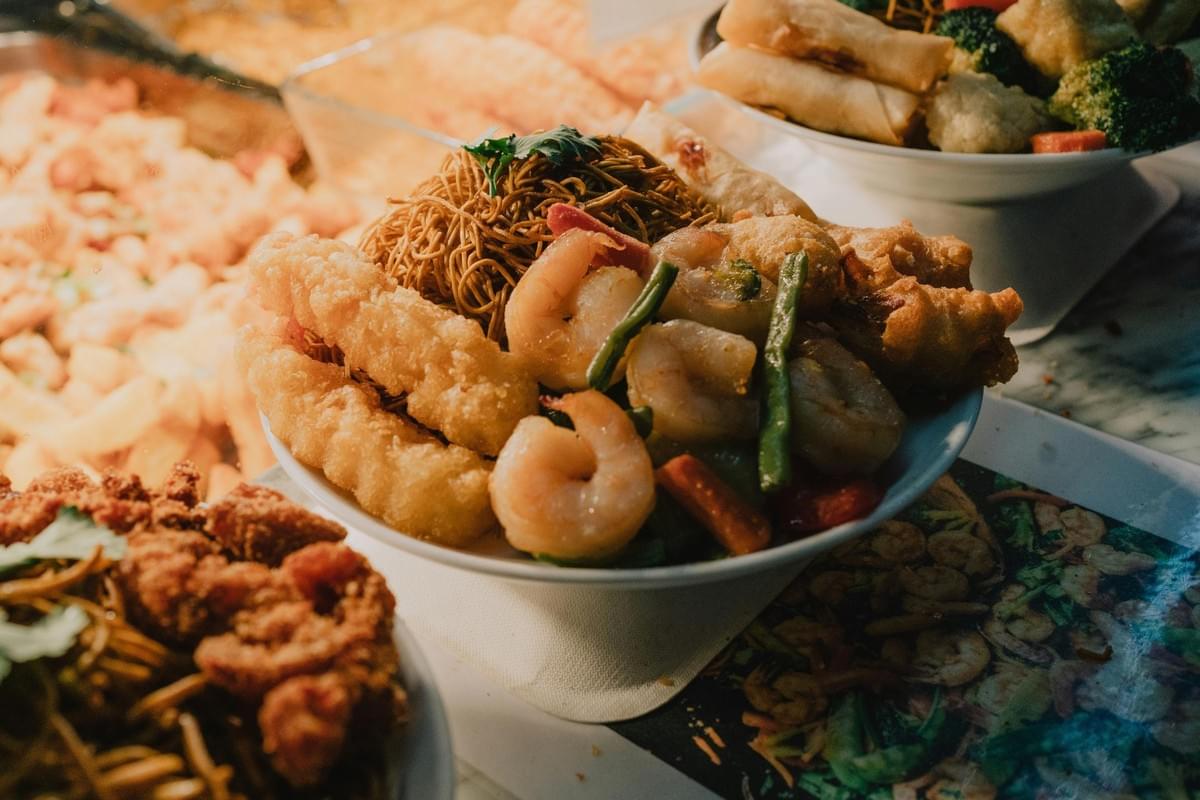
Before I write anything, I run a quick sanity check in my head: what does this meal cost, and does the setting match?
Hawker meals run roughly S$3–8. A casual café or food court sits around S$15–30. A restaurant main lands somewhere between S$25–60. Fine dining climbs well past S$150 a head.
An S$4 bowl of hainanese curry rice or curry rice has no business appearing in a Michelin-style dining room. The moment those two things clash, the image feels off, even if the viewer can't explain why.
Pro tip: Match the venue to the wallet. If the dish is cheap and everyday, keep the setting cheap and everyday. Authenticity comes from consistency, not polish.
The Five-Step Workflow for AI Food Photography
This is the process I follow now, and it keeps me from defaulting to that accidental bistro.
1. Decide the Story Before the Food in Your Food Photos
Ask yourself one question first: am I capturing a restaurant experience or a hawker experience? Everything downstream depends on this answer. Skip it, and AI will decide for you usually badly, usually Western.
2. Build the Environment of the Hawker Centre or Food Centre
This is where the story becomes real. For a restaurant scene, layer in: marble tabletop, elegant ceramics, linen napkins, polished cutlery, warm ambient lighting, refined interior, shallow depth of field, and maybe a smooth salad or dessert on the side.
For a hawker scene, layer in: plastic stools, laminated tables, melamine bowls, fluorescent lights, stainless steel utensils, open-air food centres like Changi Village Hawker Centre or Golden Mile Food Centre, ceiling fans, a bustling lunchtime crowd, and many stalls visible in the background.
3. Match the Food Presentation in Food Photos for Hawker Stalls and Restaurants
Restaurant plating leans on negative space, artistic arrangement, microgreens, and carefully positioned sauces. Hawker plating is generous, practical, and naturally arranged, with broth or sauce visibly pooled and everyday serving ware.
Step 4: Choose the Right Lighting for AI Food Photography in Hawker Centres
Restaurant scenes suit warm light, controlled highlights, and soft shadows. Hawker scenes need natural daylight or honest fluorescent light, with stronger shadows and brighter highlights.
Insider knowledge: The single most common tell of a fake hawker image is cinematic lighting. Real hawker centres are lit by practical overhead tubes, not moody studio softboxes. If your hawker scene looks like a film still, you've over-lit it. Prompt "fluorescent hawker centre lighting" and resist the urge to make it dramatic.
Step 5: Add Human Elements to Food Photos of Hawker Stalls and Food Centres
Restaurant images often stay clean and minimal. Hawker images come alive with human traces: diners eating nearby, chopsticks resting casually, a tissue packet on the table, drink cups, steam rising, a queue at the stall.
These small signs of life are what make a hawker scene believable and deliciously inviting.
Chicken rice
- Weak: "Singapore chicken rice." (Result: generic Asian restaurant, no local context.)
- Strong: "Authentic Singapore Hainanese chicken rice on a white plate with cucumber slices, chilli sauce and clear soup, on an orange plastic tray at Maxwell Food Centre, fluorescent lighting, laminated table, lunchtime crowd, documentary food photography, realistic textures."
Laksa
- Restaurant version: "Laksa in a ceramic bowl, elegant plating, warm pendant lighting, modern restaurant interior, shallow depth of field."
- Hawker version: "Katong laksa in a melamine bowl with a plastic spoon, laminated table, open-air hawker centre, lunchtime crowd, natural daylight."
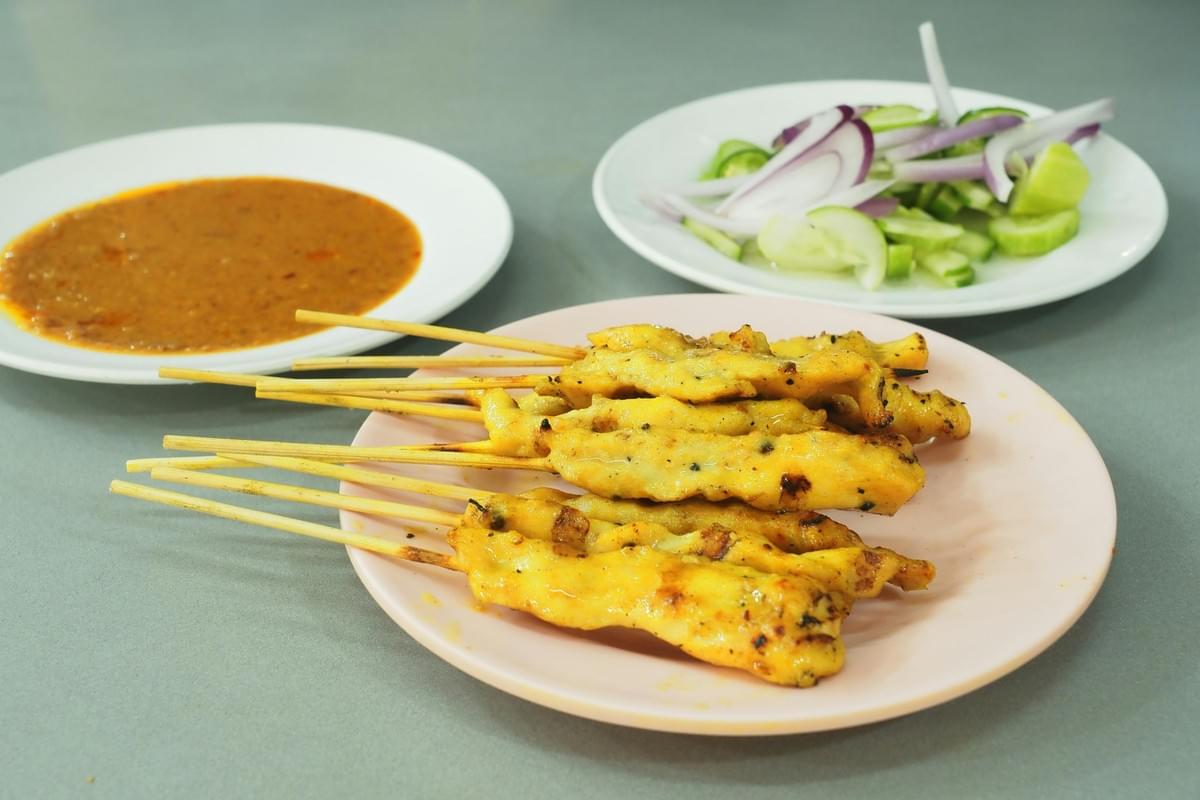
Satay
- Restaurant version: "Individually plated satay skewers, refined garnish, wine pairing, artistic presentation, warm interior."
- Hawker version: "Satay over a charcoal grill, smoke rising, peanut sauce and cucumber on a plastic plate, bustling evening crowd, Old Airport Road Food Centre."
Kopi
- Restaurant version: "Latte art in a ceramic mug, minimalist café, soft window light."
- Hawker version: "Traditional kopi in a thick glass cup with a saucer, condensed milk, bustling kopitiam, tissue packet on the table, ceiling fan overhead."
Same food, in some cases. Completely different world.
The Small Details That Say "Singapore" in Hawker Centres and Restaurant Food Photos
If you want a hawker image that a local would recognize instantly, the little cues matter more than you'd think.
Add a tissue packet on the table and you've quietly captured chope culture — the way we reserve seats. Add neatly stacked trays or a visible tray return station and you've reflected how we actually dine now. Bilingual stall signage, laminated menus, a Milo Dinosaur or a cup of kopi peng, ceiling fans clacking overhead — these are the fingerprints of a real hawker centre.
For grounding, I lean on recognizable settings: Maxwell Food Centre, Old Airport Road Food Centre, Tiong Bahru Market, or Changi Village Hawker Centre. Naming a real place gives AI a stronger anchor and pulls the image away from generic "Asian food."
Mistakes to Avoid in AI Food Photography
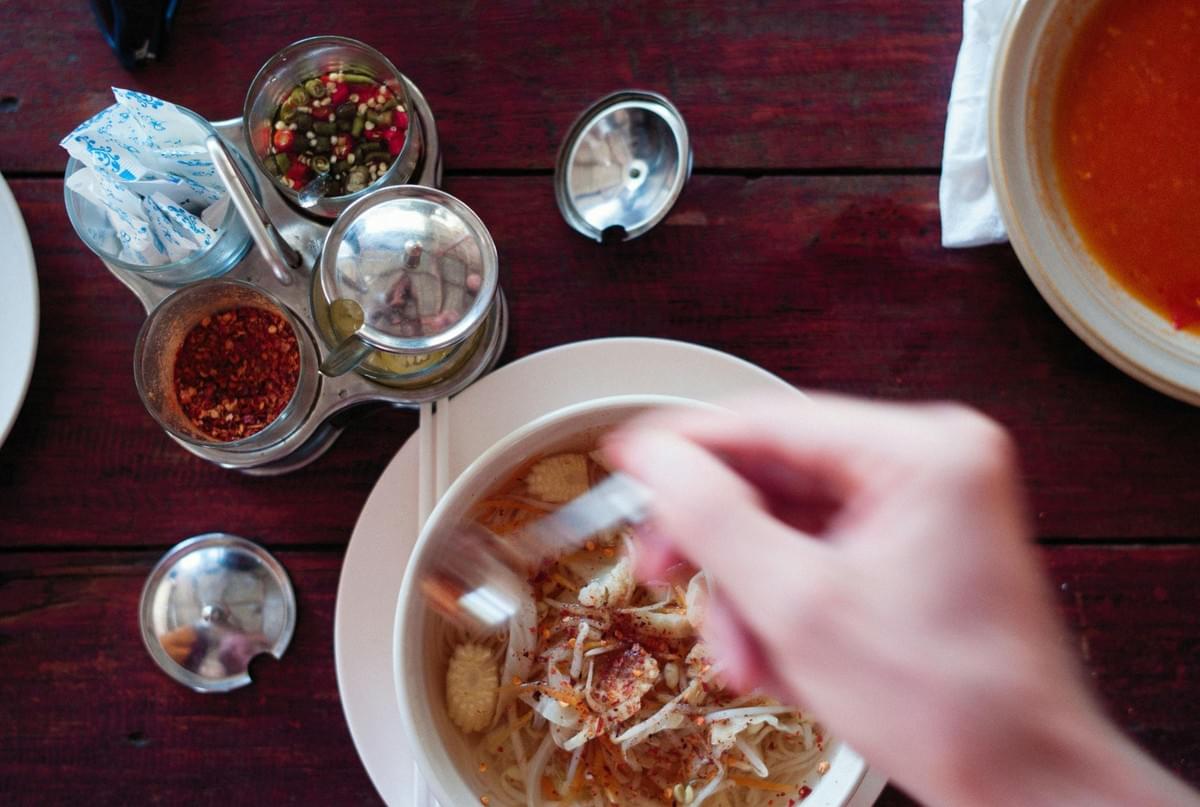
I've made every one of these:
- Letting AI default to a Western restaurant. Without local cues, it almost always drifts upmarket and overseas. Fight it with specific environmental prompts.
- Accepting generic Asian food. Prompt "chicken rice" alone and you might get Thai food, a Japanese rice bowl, or Chinese takeaway. Name the dish precisely and add Singapore context.
- Over-lighting hawker scenes. Cinematic light reads as fake here. Keep it practical.
- Empty or oversized hawker centres. Real hawker centres are busy and human. An eerily empty one, or a scene with cartoonishly large portions, breaks trust immediately. Prompt a crowd and realistic serving sizes.
- Mixing the two styles. Marble tables with plastic trays. Microgreens on fishball noodles. Crystal glasses beside a kopi cup. Pick a lane and commit.
Quality Indicators and Red Flags in Food Photos for Hawker Centres and Delivery Apps
Before you use an image, run a quick check.
- A strong restaurant image shows natural reflections, premium plating, realistic portions, a refined colour palette, and uncluttered composition. Watch for red flags like plastic trays, fluorescent tubes, disposable cutlery, or oversized portions sneaking in.
- A strong hawker image shows authentic bowls and plates, realistic plastic trays, everyday utensils, visible cooking activity, crowded surroundings, and believable lighting. Watch for red flags like marble tables, crystal glasses, designer interiors, artistic microgreens, or luxury plating.
FAQ on AI Food Photography, Transparent Pricing, and More
Why does AI keep making hawker food look like fine dining?
Because its defaults lean toward polish and Western dining. You have to actively prompt the humble details — plastic trays, melamine bowls, fluorescent light, a crowd — or it fills the gap with elegance you didn't ask for.
How do I make AI Singapore food look authentic for hawker stalls and food centres?
Name the exact dish, name a real hawker location like Golden Mile Food Centre or Changi Village Hawker Centre, describe the everyday serving ware, and add human traces like tissue packets and diners nearby. Specificity beats beauty every time.
Should hawker and restaurant food be photographed differently for delivery apps?
Yes, completely. They have different creative goals. Restaurant images sell refinement; hawker images document culture and community. The plating, lighting, and setting all shift.
Is the background really as important as the food for food photos?
In my experience, often more so. The dish tells you what you're eating. The background tells you where and how you're eating it — and that's usually the part that makes an image feel true.
One Last Thing About AI Food Photography
That accidental bistro chicken rice still makes me wince a little. It looked expensive. It just wasn't real.
Here's what I've come to believe: hawker food and restaurant food aren't better or worse than each other. They're different stories, and each deserves to be told on its own terms. The mistake is forcing one into the other's clothes.
So decide the story first. Create the world around the dish, not just the dish itself. Keep the cheap meal in its plastic-tray home, and let the refined plate have its marble. Add the tissue packet, the ceiling fan, the queue — the small human things.
Get those right, and your food photos won't just show what Singaporeans eat. They'll show where, and how, and why it matters.
That's the part worth getting right.
For more prompt guides, food photography tutorials, and AI image inspiration, explore AI Food Photo Hub to continue improving your AI-generated food photography.
