

The first time an ai photo editor touched one of my photos, it was raining.
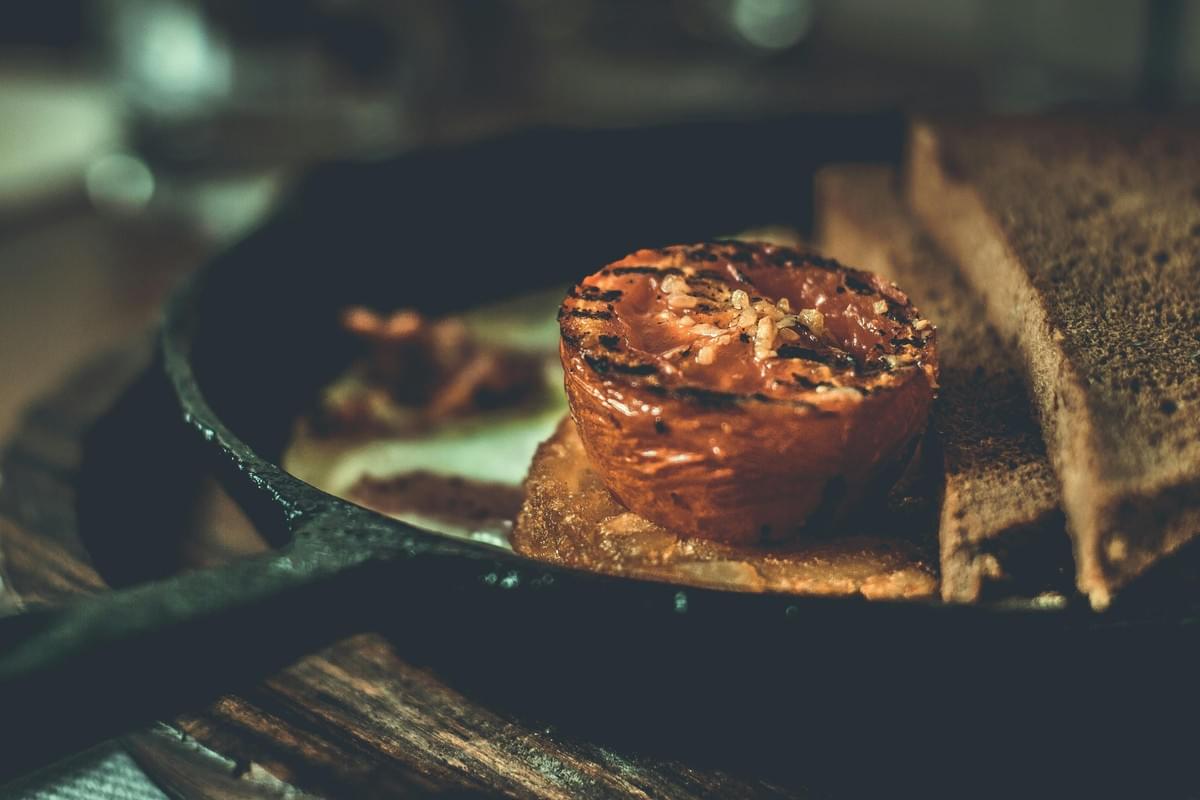
I was sitting in a quiet corner of a coffeeshop in the east, the kind of place where the floortiles are stained with decades of spilled tea and the air smells perpetually of toasted bread and charcoal. I was acting as a manual photo editor for a stall owner who couldn't afford professional photographers. The afternoon rush had cleared, leaving only a few elderly regulars nursing their cups. The real plate of char kway teow we were working with had been beautiful in that unglamorous way hawker food often is — dark, glossy, a little uneven, steam rising in lazy curls, still warm from the fierce heat of the seasoned wok.
Then I began the photo editing process. I loaded the ai photo into a web-based ai image editor on my laptop. I clicked a few options, letting the software smooth out the shadows, clean up the stray flecks of chili on the rim, and adjust the colors to fit a modern aesthetic. By the time I looked up, the noodles had gone plastic. The deep, rich wok char—the very soul of the dish—was gone. It looked like a synthetic image generation from a stock library, not the plate that uncle had cooked for thirty years with hands calloused by heat and grease.
He leaned over my shoulder, squinting through his reading glasses. He looked at the final images on the bright screen, then down at his own apron. He said, gently, "That's very nice. But it's not mine."
I've never forgotten the quiet disappointment in his voice. It became the one rule I trust: ai should polish what's real, not replace it.
If you run a small business, a quiet neighborhood café, or a generational hawker stall, this is how AI images earn and how it helps marketing your brand. We want to help you align your marketing strategies with your business goals honestly — so your brand looks like itself, only clearer. There is a way to use modern tools without losing the texture of who you are.
What AI Tools Can Actually Do (And What They Shouldn't)
I think the calmest way to understand artificial intelligence in your marketing efforts is this: it's a production assistant, not a creator.
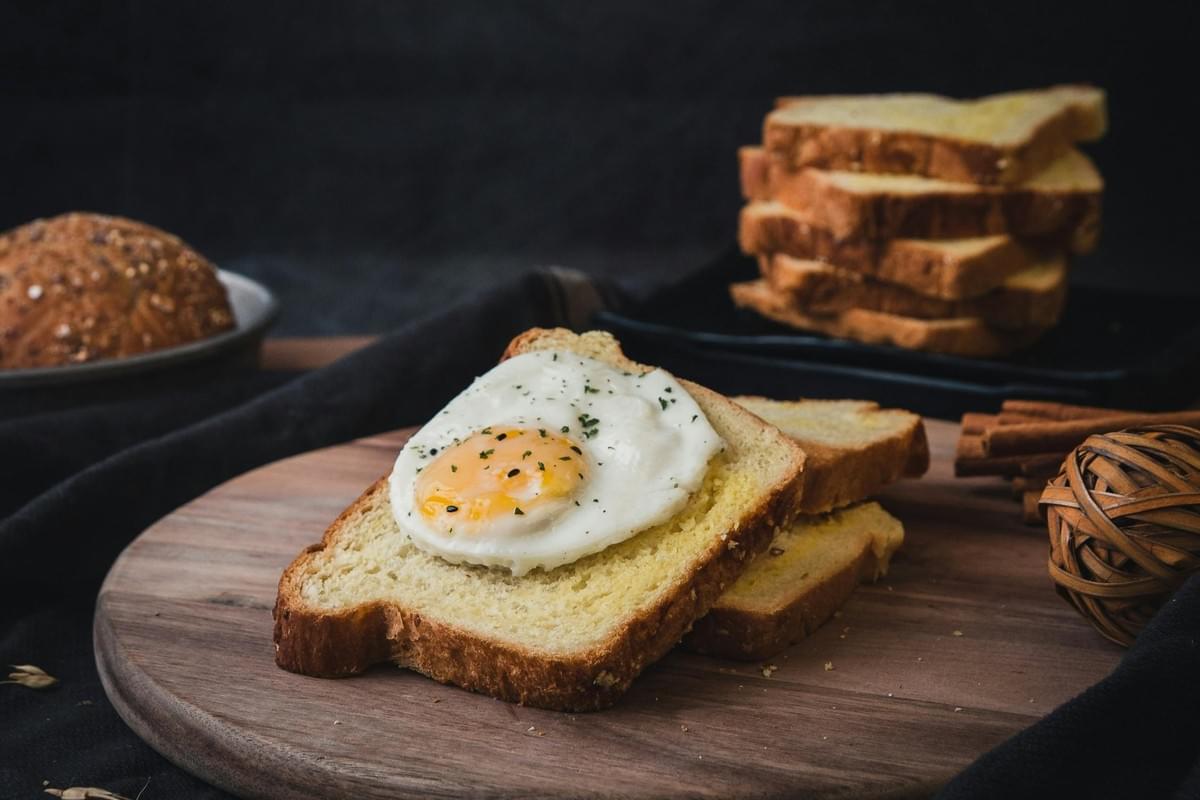
These ai tools won't understand why your laksa broth matters. They won't feel the memory in a plate of kaya toast, or know the years of trial and error that went into balancing the spices in your curry. But ai powered tools can quietly help with tedious, repetitive tasks that take you away from the kitchen. They can assist with correcting harsh fluorescent lighting, clearing crumbs off a wooden table, or performing a clean background removal so your dish stands out on a simple page.
Using generative ai for simple quick edits is a best friend to a busy owner who is already wearing five different hats. For example, the ability to use generative expand to extend a background gives you space for text on your web pages without needing complex graphic services or hiring expensive agencies. It lets you take a close-up photo and turn it into a banner, preserving the space your words need to breathe.
Here is what different ai tools can do to make your daily marketing tasks easier:
- Generative fill to clean up minor spots, stray grease splatters on the table, or enhance natural steam.
- AI capabilities to resize one shot for multiple social media posts across different platforms instantly.
- Translating menu detail into multiple languages to welcome diverse target audiences into your space.
- Using large language models and ai chatbots to fine tune written product descriptions or respond to basic customer reviews with patience and clarity.
But generative ai should never invent. It should never generate a larger portion than what you actually serve, or add extra prawns that don't exist in the bowl. The moment generative ai starts to create content your kitchen can't back up, you lose the trust of your customers. A guest who walks in expecting the digital fantasy will feel betrayed by the honest reality.
Start With the Real AI Photo. Always.
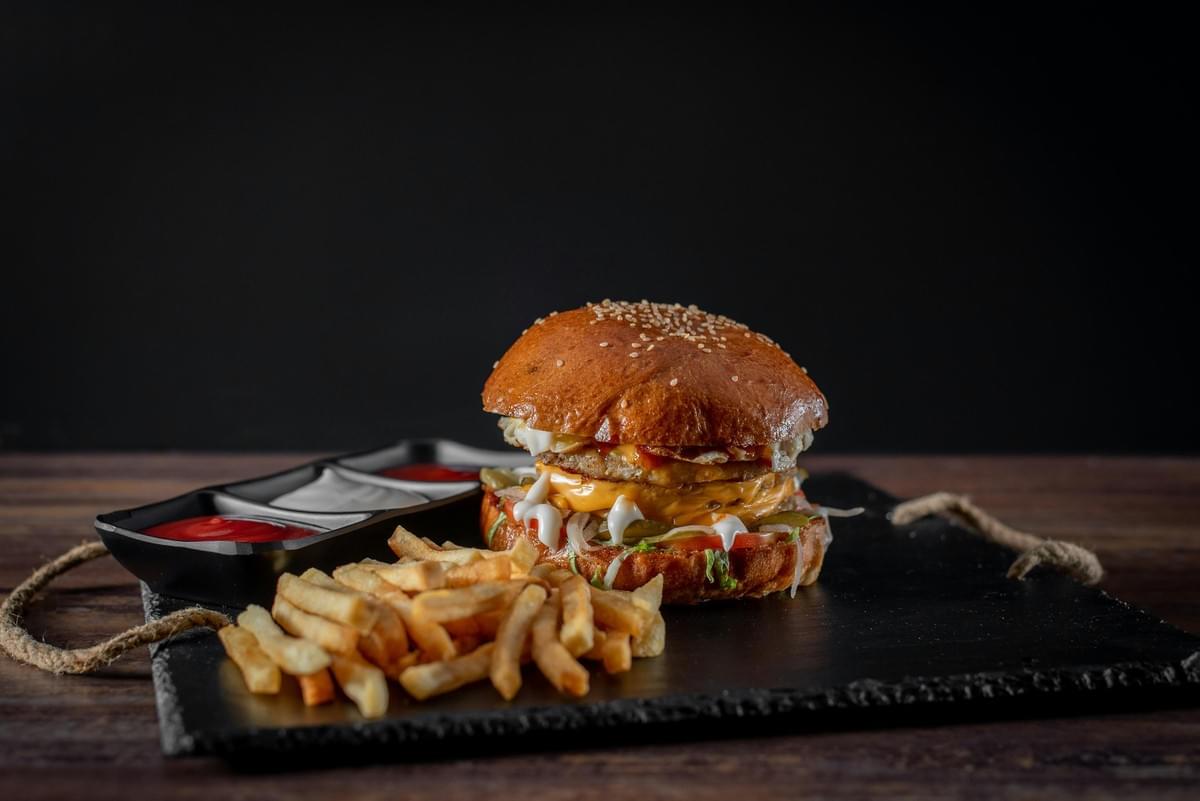
Typing text prompts or natural language prompts into software platforms to get stunning images of food is tempting. It is easy to sit at a desk and ask a computer to draw a perfect bowl of ramen. But fake food pictures are easily indexed and flagged by search engines, ultimately hurting your content marketing and digital marketing campaigns. More than that, people can feel the falsehood. They can sense when a photo lacks a human touch, when the shadows are too perfect, or when the steam looks like smoke.
Always shoot the real dish first. You don't need a studio. Find a window where the soft daylight comes through. Let the natural light fall across the plate, highlighting the textures—the rough crust of the bread, the glistening sauce, the green of the fresh herbs. Capture high quality images using the phone you already have in your pocket. Let a human operator guide the process rather than leaving it entirely to ai models without human intervention. Your eye, your memory of how the food should look, is the most important tool in the room.
Pro tip: Keep the real dish sitting beside your screen as you edit. Look back and forth between the glass of your monitor and the ceramic of the plate. The moment your ai powered edits drift away from the plate in front of you, stop. Pull back the sliders. Bring back the original shadows. The goal is to show the world your food, not a digital imitation of it.
A Simple Workflow for Cost Savings You Can Follow
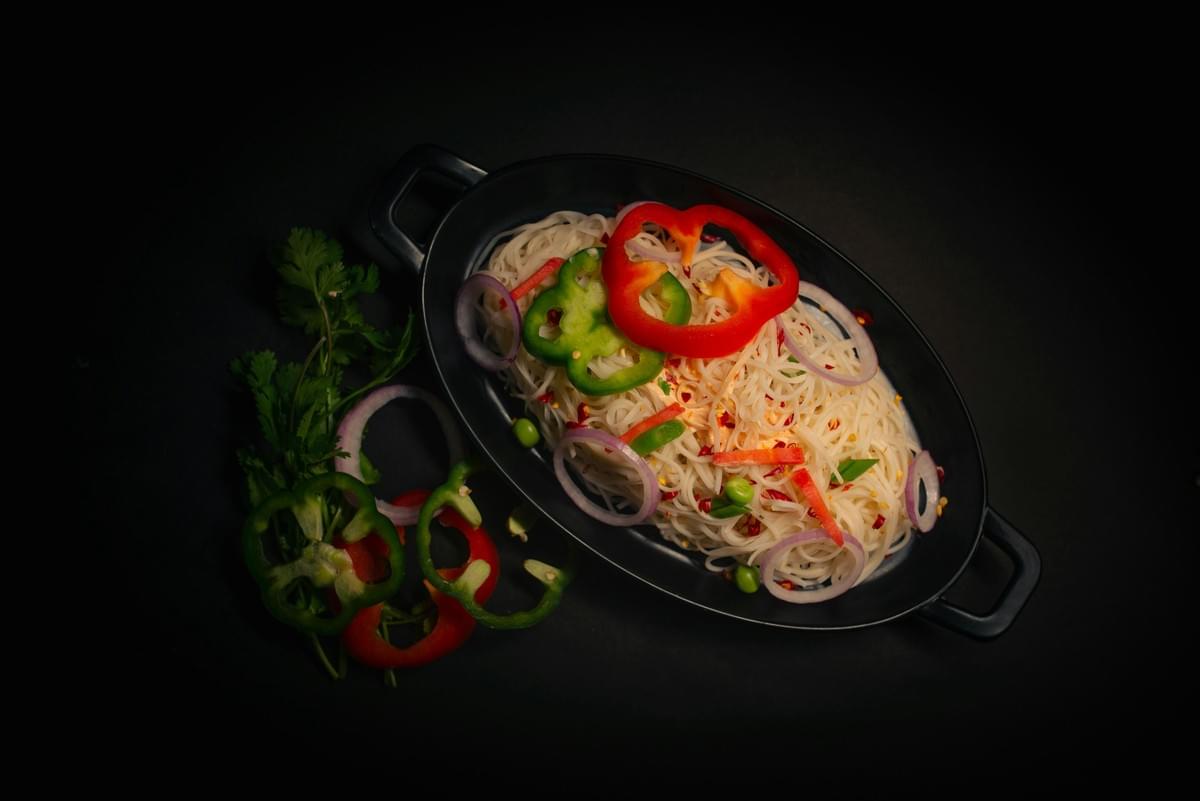
To get a competitive edge without a massive budget, you can manage your own social media marketing in about two hours a week. It does not have to be an exhausting chore that keeps you up late at night. Here is a simple, grounded workflow you can follow:
- Define your goal: Decide where the asset is going. A delivery-app photo requires absolute realism and flat, clear light so customers know exactly what they are ordering. Meanwhile, social media marketing tools allow slightly more atmospheric room—a warm shadow, a hand holding a spoon, a corner of your dining room in the background.
- Shoot the real food: Grab your phone and capture your dishes from a few natural angles. Don't worry about perfection. The small imperfections—a slightly uneven pour of sauce, a rogue leaf of cilantro—are what make the food look handmade and real.
- Edit with an AI Image Editor in your browser: Open your favorite web browsers, log into a free account on a trusted platform, and apply light photo editing tools. Adjust the exposure to make the image bright, clean up any distracting crumbs on the tabletop, and keep the detail of the food intact.
- Create social media layouts: Crop the images into square formats for feeds and vertical formats for stories, ensuring your logo or text is clean and legible.
- Review the customer experience: Ask yourself: does this edit accurately reflect what the diner receives when they sit at our table? If the answer is yes, you are ready to share it.
If you are exploring video generation, tools like kling ai can help create subtle motion, such as steam rising from a hot bowl of soup or sauce dripping slowly from a spoon. But always review the final videos to ensure they do not distort your actual food or make it look unnatural.
Finding the Balance with AI Capabilities
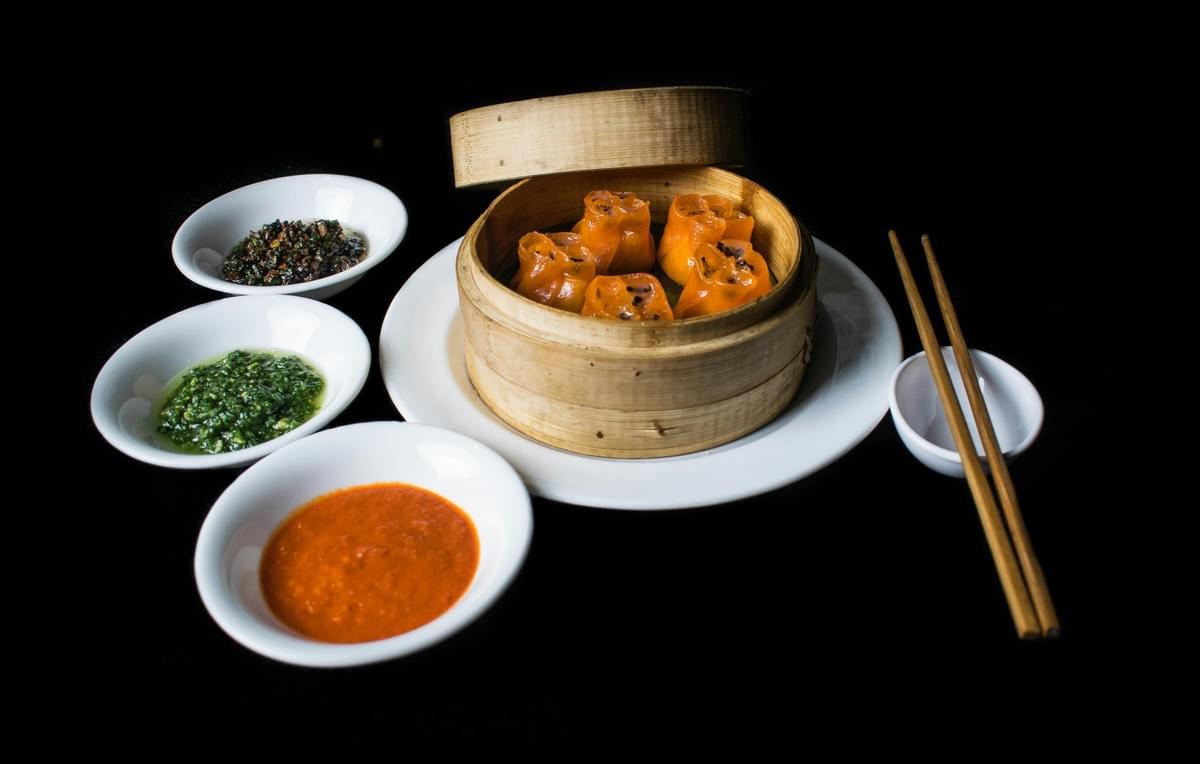
You don't need a massive budget or complex tools to share your food with the world. It is simply about finding a balance that keeps things honest while saving you time. The kitchen is already a place of intense physical labor; your digital presence shouldn't add to that exhaustion.
For daily social media, a quick phone photo with a touch of light cleanup is plenty. For delivery platforms, keep it completely real—your guests want to see exactly what will arrive at their door in a paper bag. Save the polished, professional shots for your website's main page where you introduce your story and your heritage.
At the end of the day, technology should only exist to clear away the busywork. The less time you spend behind a screen adjusting pixels and fighting with algorithms, the more time you have to focus on the kitchen, the dining room, and the people who keep your business alive.
The Details That Keep AI Marketing Honest
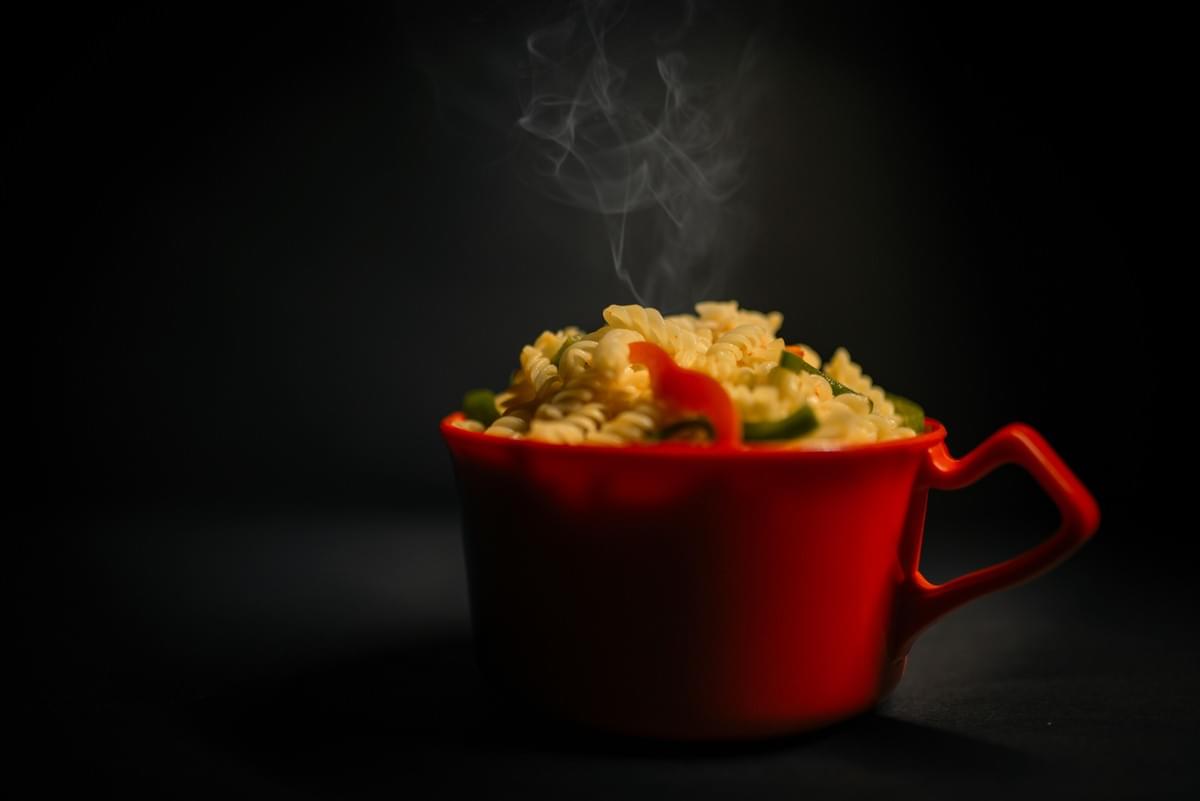
Your customers are sharp. They know the difference between a real, steaming bowl of noodles and a glossy, simulated render. They can feel the warmth of a genuine space, even through a screen.
AI marketing and content marketing should highlight your hard work, not replace it. Use these systems to simplify your marketing content creation, to write your captions when you are too tired to find the words, and to clean up your photos when the lighting was poor. But let the food stay exactly as it is.
Make it look clear. Just keep it true.
