

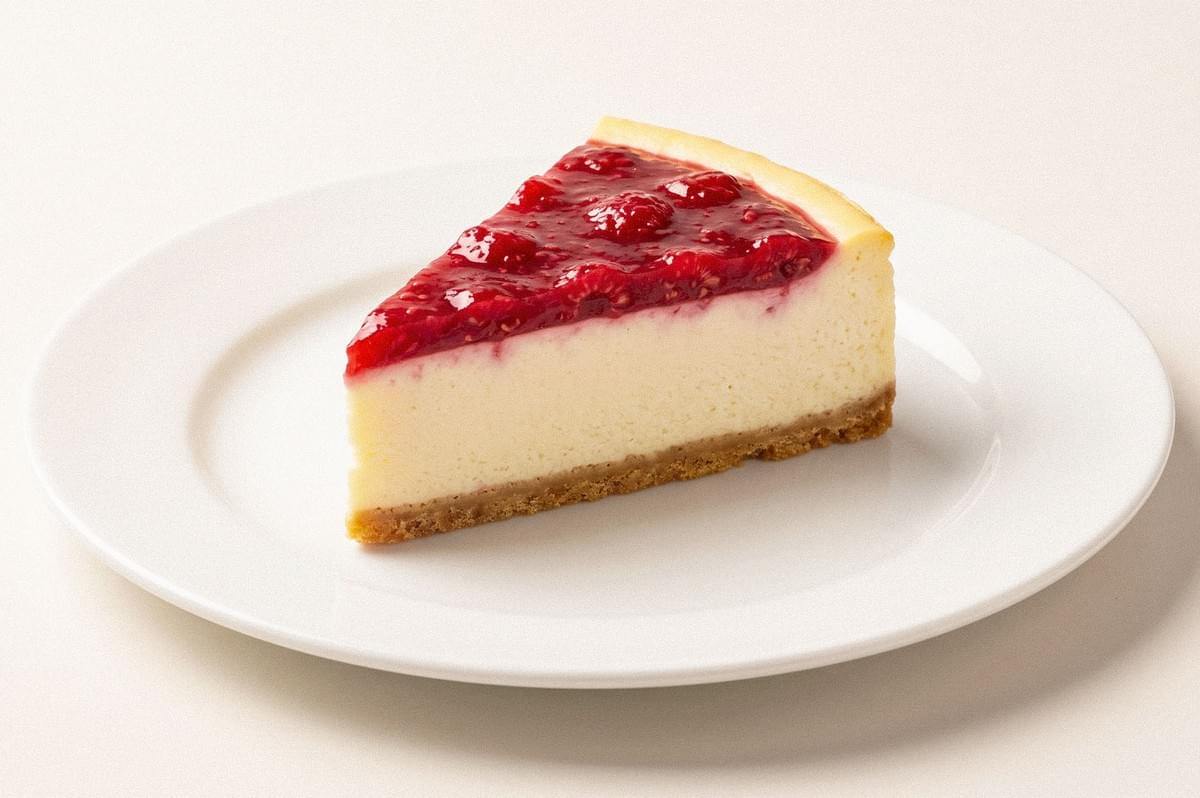
Perfect food photography is easy to admire.
Believable food photography is easier to trust.
That difference matters more now that AI can produce flawless surfaces, ideal lighting, clean compositions, and food that never seems to wilt, melt, spill, or lose shape.
The problem is that real food does all of those things.
And sometimes that is exactly what makes it appealing. That is a distinction AI Food Photo Hub keeps returning to.
Perfection Can Flatten the Story
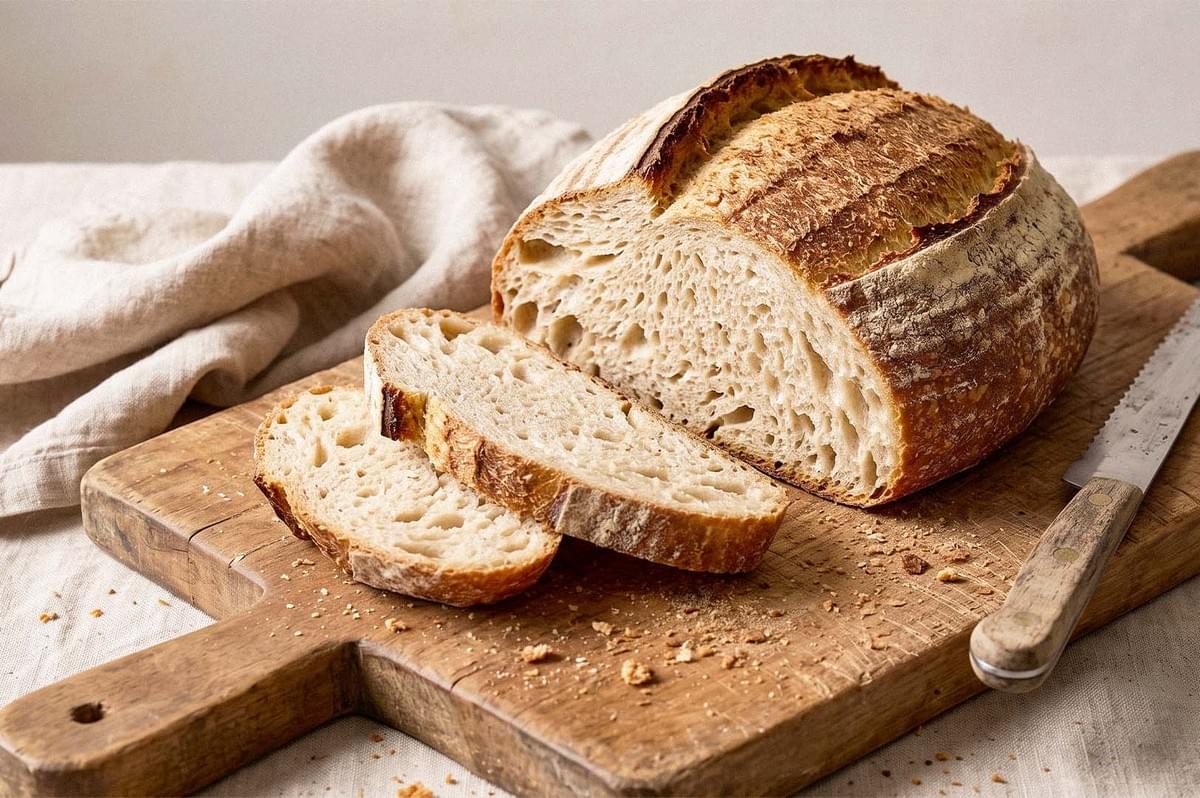
A perfectly centered plate, evenly distributed garnish, spotless table, and controlled highlight can look polished.
It can also feel distant.
Food becomes more convincing when there is some evidence of use, movement, or time. A softened scoop of ice cream. A torn piece of bread. A little sauce near the rim. A napkin that looks handled rather than placed.
These details create context.
They tell the viewer that the food exists in a real moment, not only inside a generated composition.
Believability Is More Than Realism
An image can be photorealistic without feeling believable.
AI is very good at reproducing texture. It can generate crisp pastry layers, glossy fruit, reflective sauces, and detailed crumbs.
But believability depends on whether those details behave naturally together.
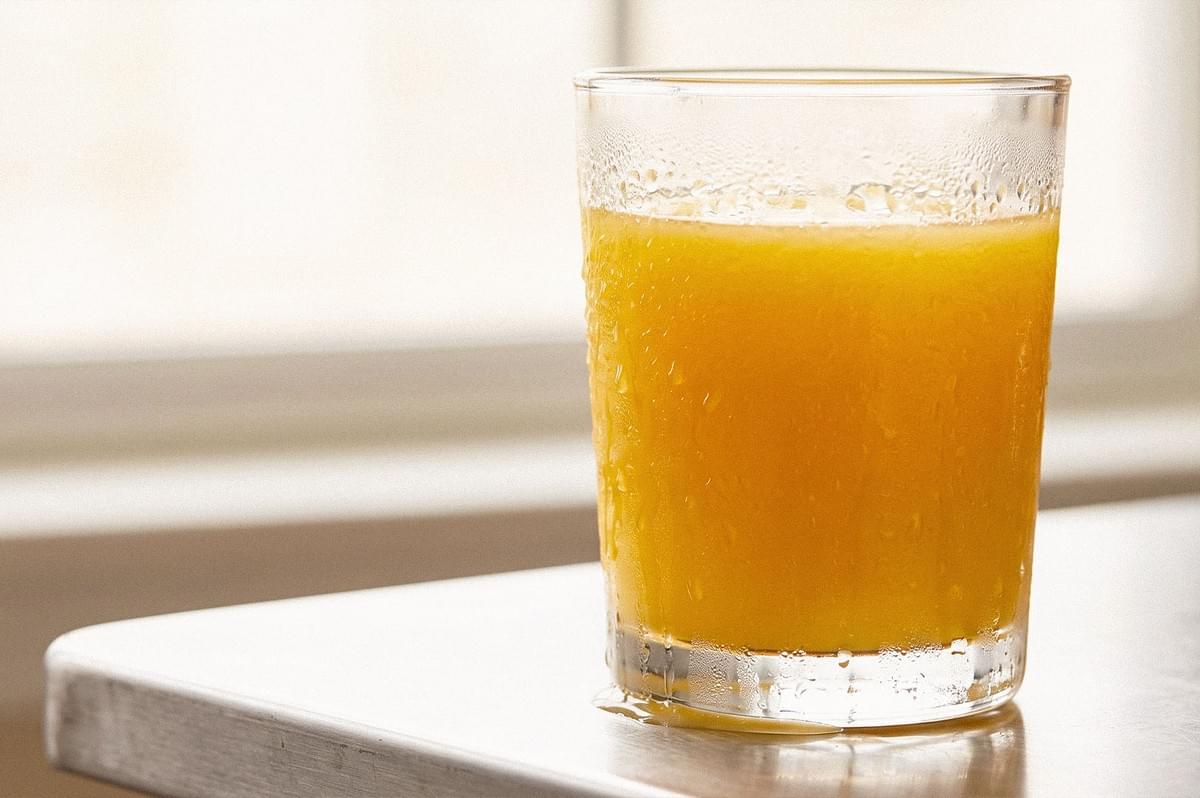
If the pastry is flaky, there should probably be crumbs.
If the drink is cold, condensation should respond to temperature.
If the cake has been sliced, the cut edge should not look perfectly untouched.
Believable food photography follows visual cause and effect.
That matters more than surface perfection.
The Best Imperfections Are Quiet
I do not think every food image needs to look messy.
That can become another artificial style.
The strongest imperfections are usually small enough to disappear into the scene. They do not announce themselves. They simply remove the sense that everything has been over-managed.
A slight tilt. An uneven edge. A trace of movement.
That is often enough. How much imperfection is enough? is the better question than how perfect the plate can look.
The Stronger Image Feels Possible
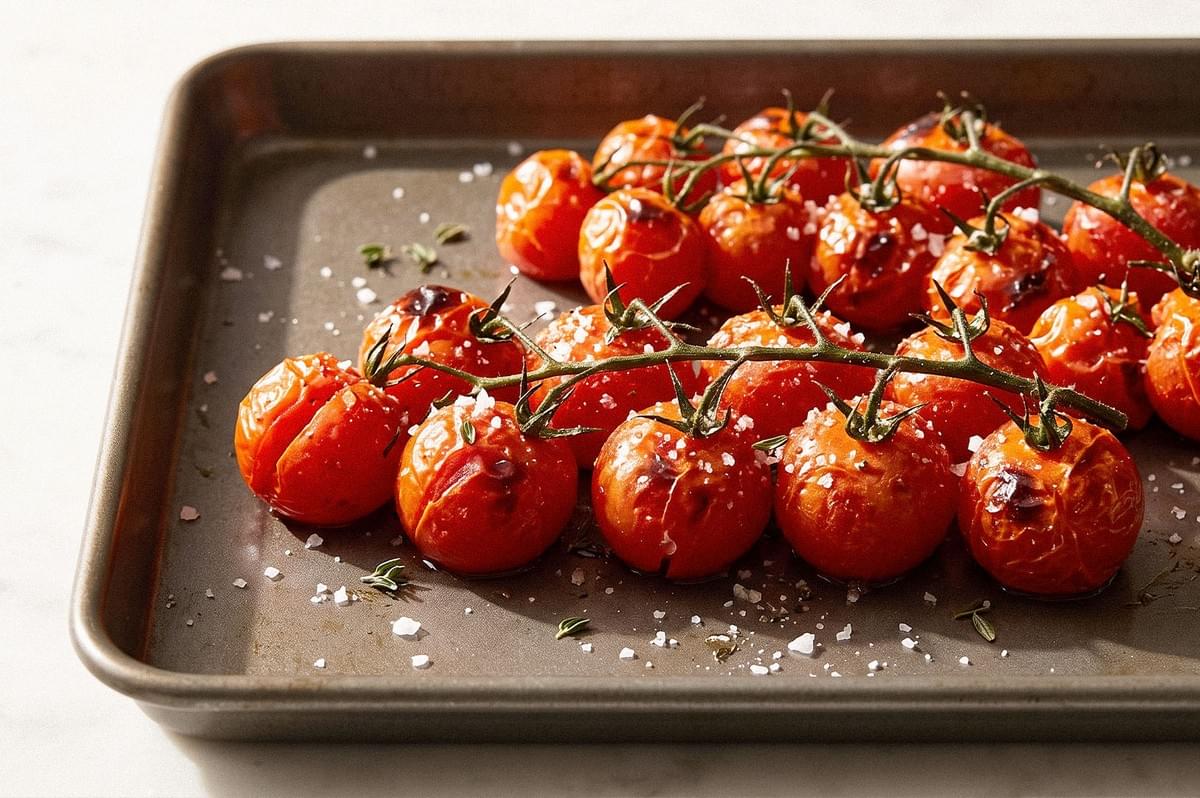
The goal should not be to make food look less beautiful.
It should be to make beauty feel plausible.
A believable image still needs strong light, thoughtful composition, and careful styling. It simply leaves room for the small irregularities that make food feel physical.
Perfect images can attract attention.
Believable ones make the viewer imagine the food in front of them.
That is usually more powerful.
