

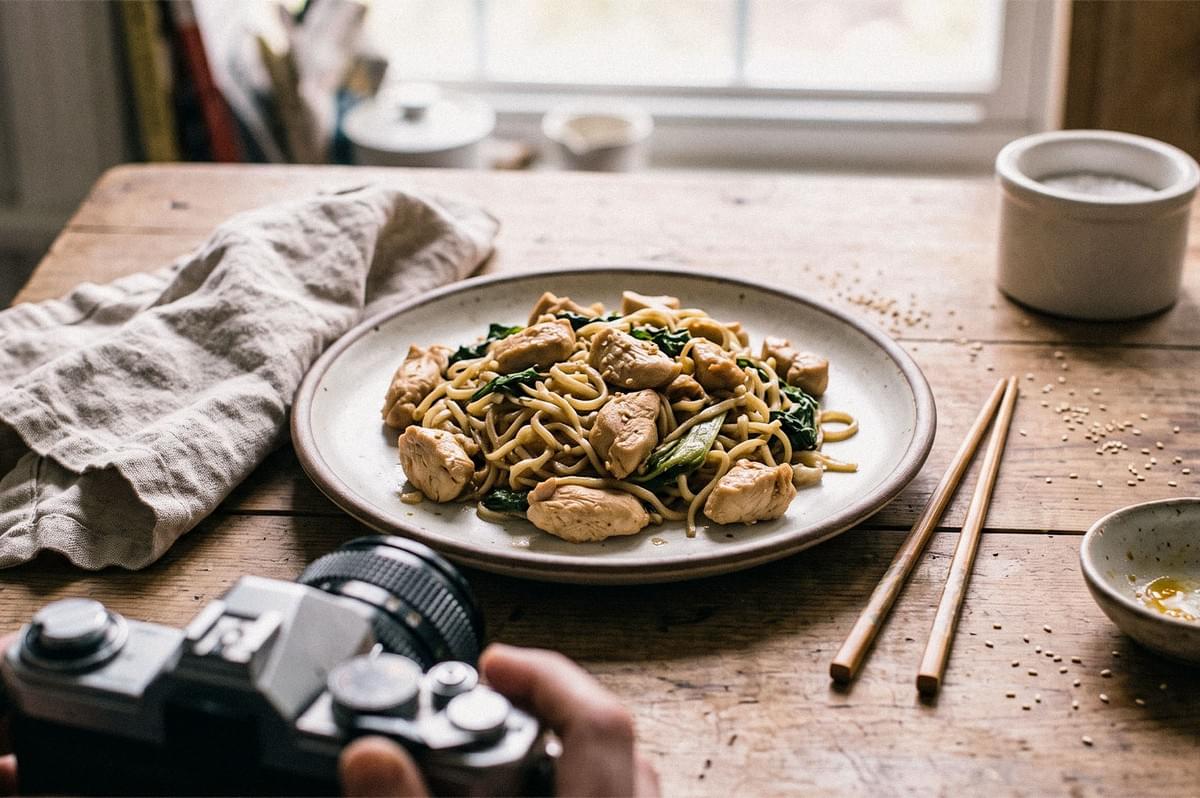
The first time I truly understood food styling, I was watching a plate of chicken go cold.
The dish was perfect when it came off the fire. Smoky, glossy, alive. But I fussed over the props for ten minutes. Adjusted a napkin. Moved a chopstick. By the time I finally lifted my camera, the noodles had gone dull and the shine was gone.
The food had waited for me. I hadn't respected it.
That afternoon taught me something I still carry into every campaign: styling isn't about making food look impossible. It's about being ready for the moment when food looks most like itself. If you're building digital campaigns in Singapore, that difference matters more than any expensive prop.
Why Styling Still Matters in an AI World
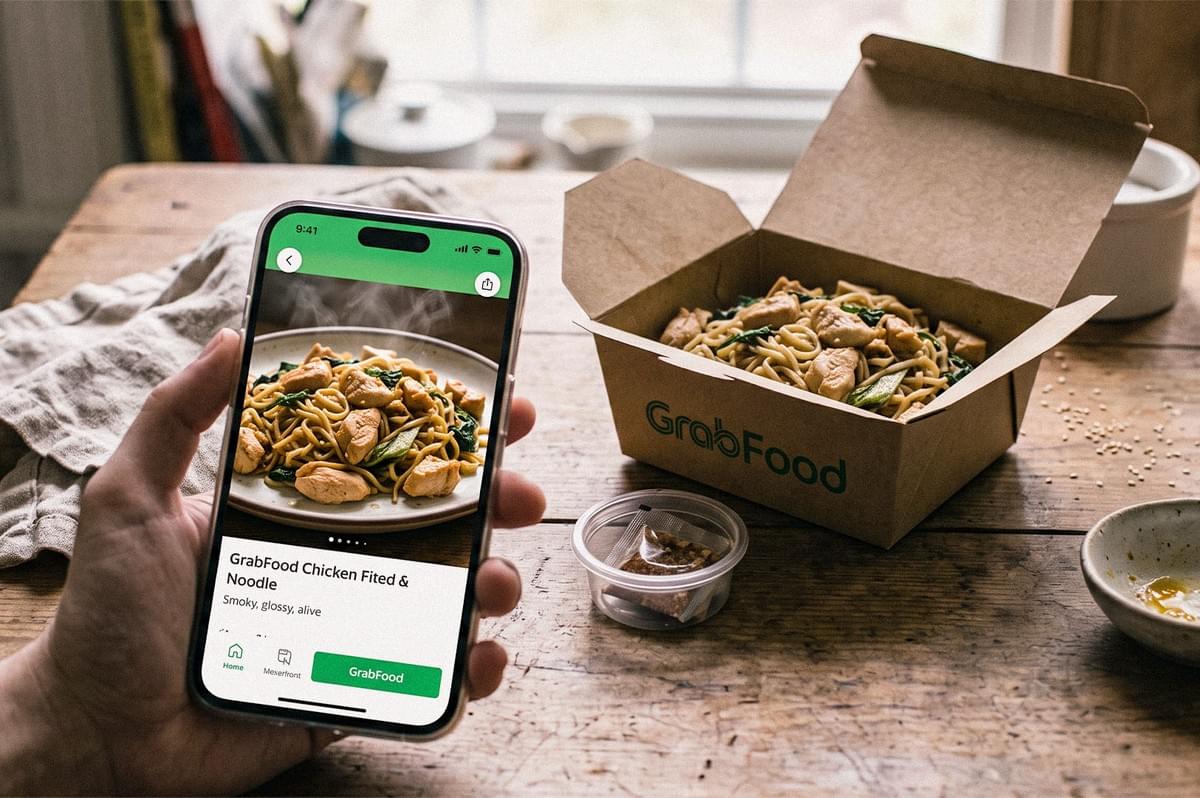
I get asked this constantly: if AI can generate food, do you still need styling?
Yes. Especially here.
Singapore diners compare the photo to the plate that arrives. A GrabFood image that oversells becomes a one-star review by dinnertime. Real products — restaurants, packaged snacks, hotel spreads — still lean on styled photography because customers expect the food to match what they actually receive.
AI has a place. But it works best after the real food, not instead of it.
If you're wondering which AI tools are actually worth using, knowing the Best AI Tools for Food Photography can help you speed up background extensions, cleanup, and content adaptation without making the dish look unrealistic.
How a Shoot Actually Comes Together For Me
Good shoots rarely improvise. Here's the rhythm I've found works.
- Define the campaign goal. A Mid-Autumn mooncake campaign needs quiet elegance. A hawker promotion needs honest table settings. Decide this before you touch the food — it shapes everything else.
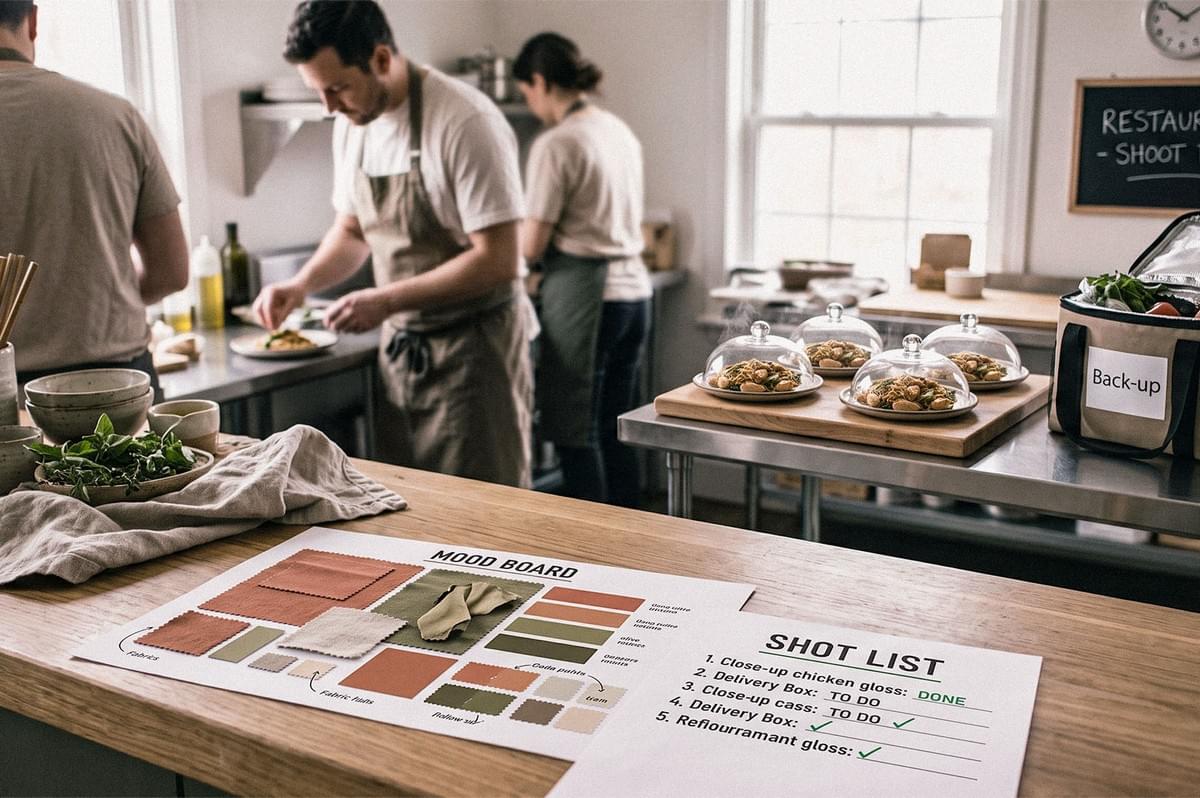
- Build a mood board. Colors, lighting, plate choices, background textures. I keep mine on Pinterest or Milanote. It saves arguments later.
- Plan the shot list. A hero shot for the banner. A 45-degree angle for the menu. A top-down for Instagram. A close-up for texture. A lifestyle frame for social. Write it down.
- Prepare the food. Timing is everything. Cook proteins last. Garnish just before shooting. Add sauces after the composition is set. A light mist keeps vegetables looking fresh.
- Style the scene. Small things carry weight — herb placement, a single sauce drip, a few honest crumbs, the angle of a spoon. The tiny adjustments make the biggest difference.
- Capture variations. Never stop at one. Portrait, landscape, negative-space versions, close crops. One dish should feed many formats.
- AI-enhanced post-production. This is where AI earns its keep — extending backgrounds, cleaning distractions, generating alternate crops, tidying shadows. Never reshape the actual food. Presentation, yes. Fiction, no.
What It Costs in Singapore
Prices move with experience and scale, but here's an honest range to plan around.
- Basic menu shoot — S$300–800
- Half-day commercial shoot — S$800–2,000
- Full-day shoot — S$2,000–5,000+
- Food stylist — S$400–1,200 per day
- Prop stylist — S$300–800 per day
- Retouching — S$20–100 per image
- Large hotel and FMCG campaigns — S$10,000 and above
Don't just ask "how much?" Ask how many edited images you'll receive, in which formats, over how many hours, and what usage rights are included. A S$500 package and a S$1,500 package can deliver completely different things.
Timing and Planning
A realistic timeline looks like this: a week for the brief, two to three days for the mood board, a couple of days for the shot list, several days for prop prep, then the shoot itself (half to full day), and three to ten days for editing.
For restaurants, I'd suggest shooting before opening, between lunch and dinner, or on a quieter weekday. It keeps your kitchen calm and your staff sane.
A note from the set:
Duplicate dishes reduce stress more than any fancy lens.
Styling for the Platform
Each platform asks for something different, and I've stopped fighting that.
Instagram rewards bold, confident color and a clear focal point. GrabFood and delivery apps want the opposite of drama — clear dish visibility, minimal distraction, honest portions. Someone is deciding whether to order, right now.
TikTok cares about movement and texture. Steam rising, sauce being poured, noodles lifted. Hotel websites want elegance and restraint — soft light, considered composition, room to breathe.
The lesson I keep relearning: one beautiful photo doesn't serve every channel. Plan the crops during the shoot, not after.
AI-Enhanced Post-Production, Done Honestly
AI is wonderful for extending a background so a square image becomes a wide web banner. It's useful for removing a stray crumb, cleaning a messy shadow, or creating extra negative space for ad copy. It can generate seasonal color variations around a packaged product.
What it should never do is change the food itself. Not the portion, not the ingredients, not the reality of what a customer will receive. The moment you alter the actual dish, you've traded trust for a prettier picture. That's a bad deal in a city where word travels fast.
Two Real Scenarios
A café launching a brunch menu. They wanted Instagram content, website banners, and GrabFood listings. Instead of shooting each dish three separate times, we planned multiple crops in a single session. One shoot, over forty usable assets, consistent branding throughout.
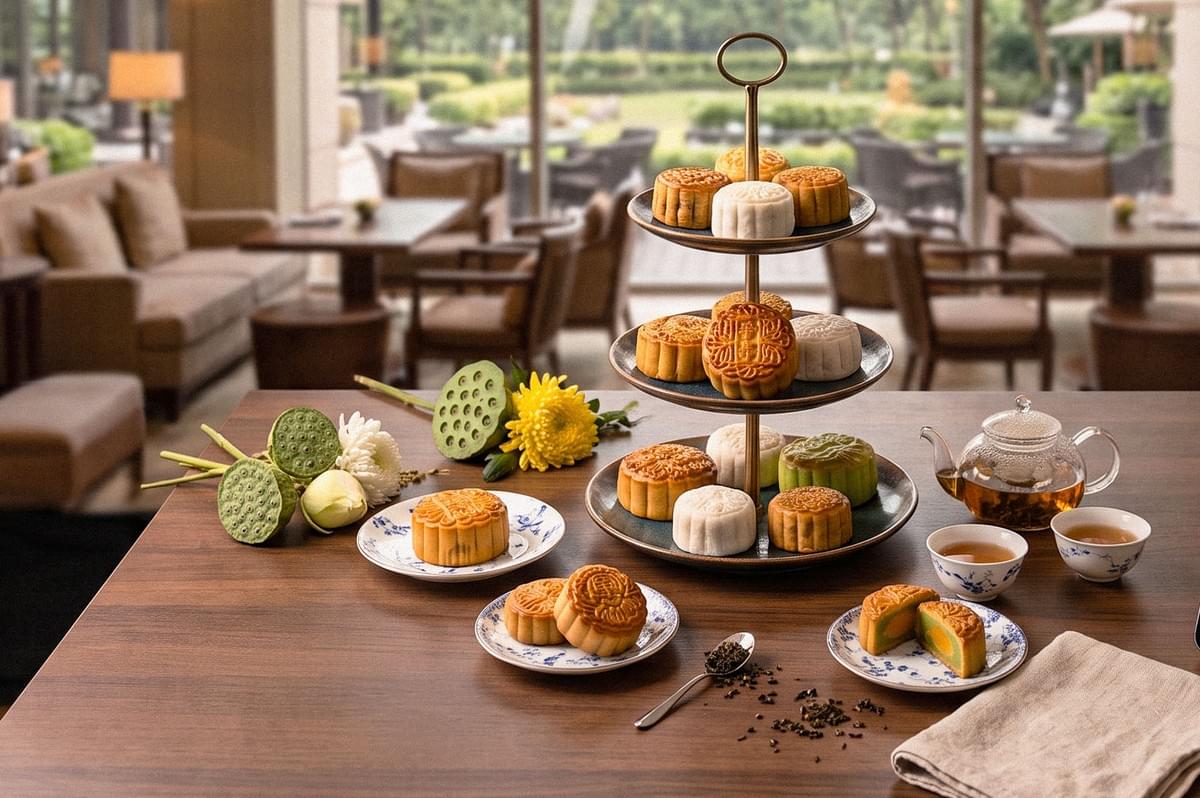
A hotel Mid-Autumn campaign. Festive afternoon tea, styled with soft window light, linen textures, and a few floral touches. We photographed the real spread carefully, then used AI only to expand the backgrounds for wide web placements. The mooncakes on screen were the mooncakes on the plate. That honesty is the whole point of a heritage campaign.
Somewhere between a hawker plate and an AI prompt, it's easy to forget what people are actually hungry for. The strongest campaigns don't replace Singapore's food culture with perfect pixels, they start with a real dish, then use technology carefully enough that its story still feels true.
The Singapore Details That Trip People Up
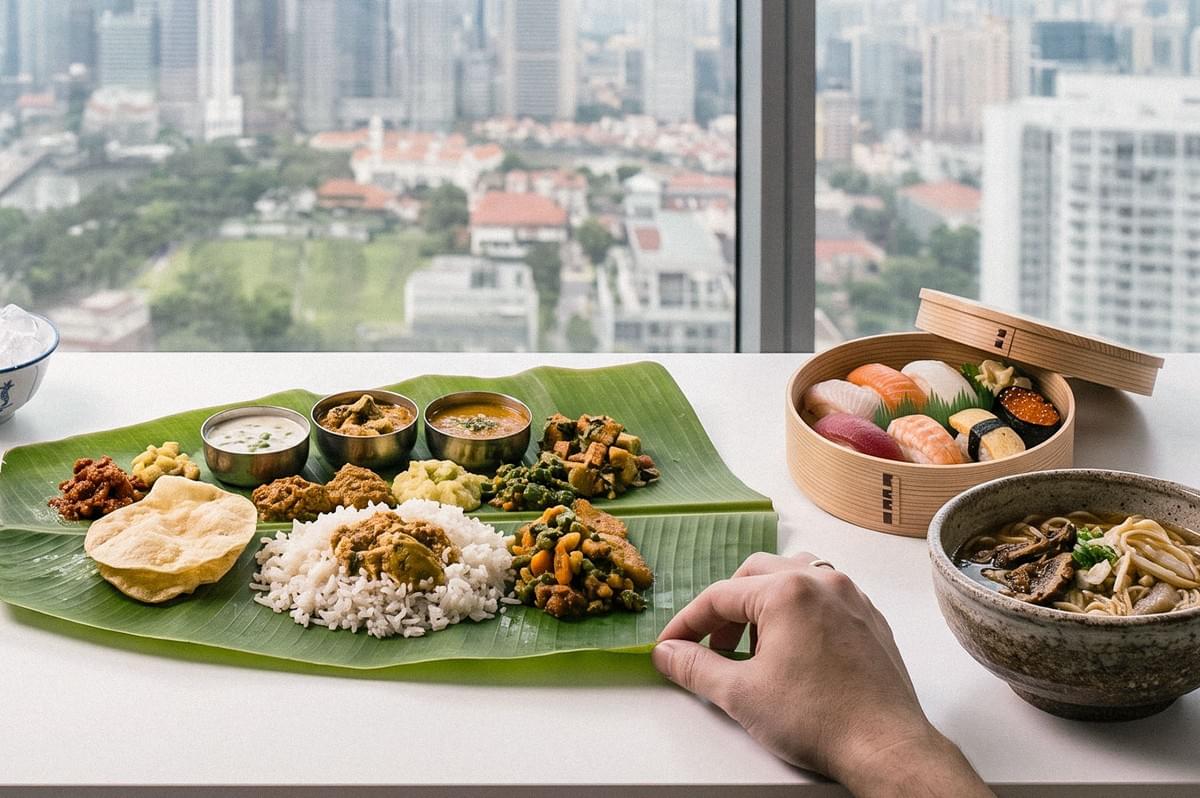
Humidity is relentless. Ice melts in minutes. Fried food softens. Herbs wilt. Chocolate sweats. I shoot melt-prone items fast, keep backups refrigerated, and work in air-conditioning whenever I can.
Our food is beautifully multicultural, and the visual cues matter. A banana leaf for a South Indian meal. Blue-and-white ceramics for Peranakan dishes. Minimalist plating for Japanese fare. A rustic bowl for ramen. Getting these right makes an image feel true rather than borrowed.
Festive seasons drive campaigns — Chinese New Year, Ramadan and Hari Raya, Mid-Autumn, Deepavali, Christmas, National Day. Plan several weeks ahead so you have time to shoot, edit, and roll out without panic.
What I've Learned the Hard Way
I've made most of these myself.
- Oversized plates. A big plate makes a portion look small and stingy. Match the plate to the food.
- Over-garnishing. More herbs don't mean more appetite. They usually mean clutter.
- Clashing props. A prop that fights your brand identity quietly weakens the whole image.
- Forgetting texture. No steam, no condensation, no crumb. The food looks lifeless.
- Styling too early. Set the food up before you're ready to shoot, and it dies while you fuss. Ask the noodles I abandoned.
Questions Worth Asking
Do I still need a food stylist if AI can make food images? For real products, yes. Customers expect the plate to match the photo. AI supports the process; it doesn't replace the trust that styled, honest photography builds.
Can one shoot really cover multiple platforms? It can, if you plan the crops in advance. That café brunch shoot produced content for Instagram, the website, and GrabFood from a single session.
Should I cook fresh dishes for every shot? Cook backups, not endless fresh plates. Duplicates save time, money, and nerves when something melts or wilts mid-shoot.
Is it dishonest to use AI on food photos? Not if you keep the food truthful. Extending a background or cleaning a shadow is fine.
Changing the portion or the ingredients isn't. The dish must stay real.
The Dish Doesn't Wait
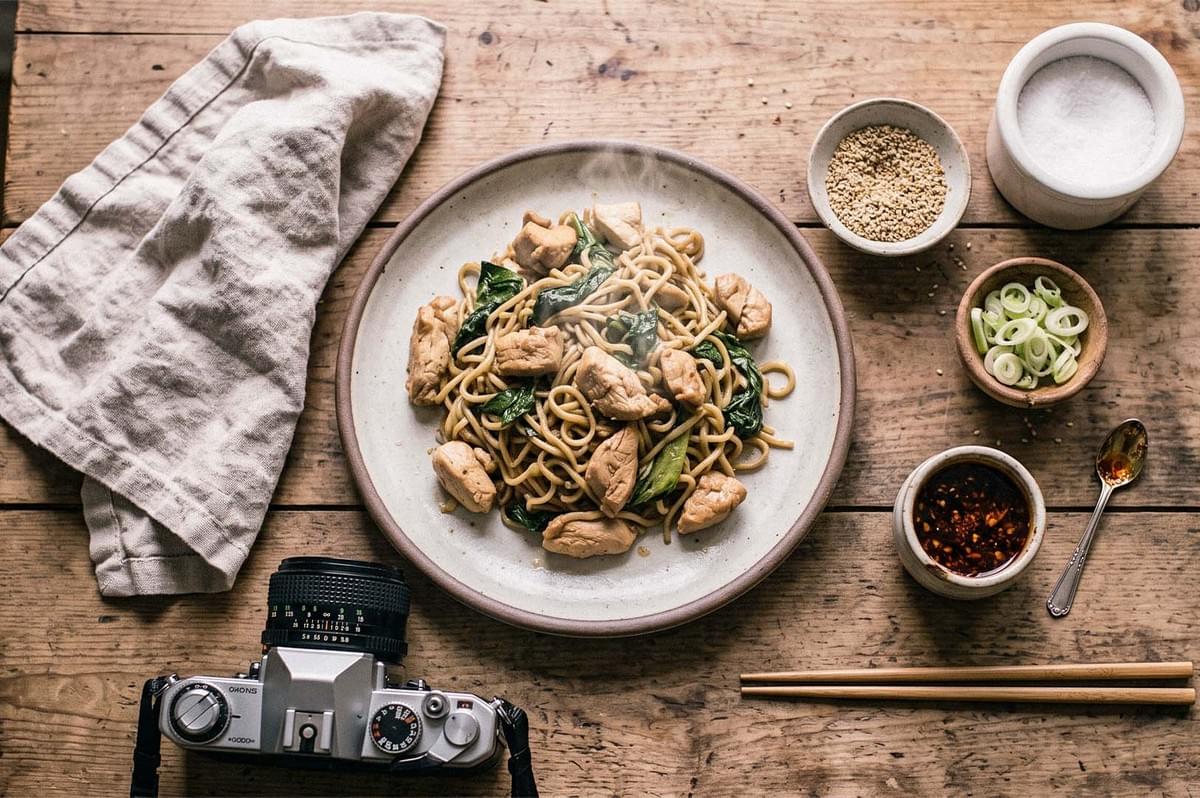
I still think about those dull noodles.
They reminded me that food doesn't perform for us. It simply is what it is, at its best for a short, honest moment. Our whole job — the styling, the lighting, the careful AI touches afterward — is to be ready for that moment and tell the truth about it.
So plan your shoot. Cook your backups. Style with a light hand. Use AI to help the image, never to invent the food.
Do that, and your campaign won't just look good on a screen. It'll match the plate that lands on the table, and that's the version people remember.
