

No. But it will replace parts of the job.
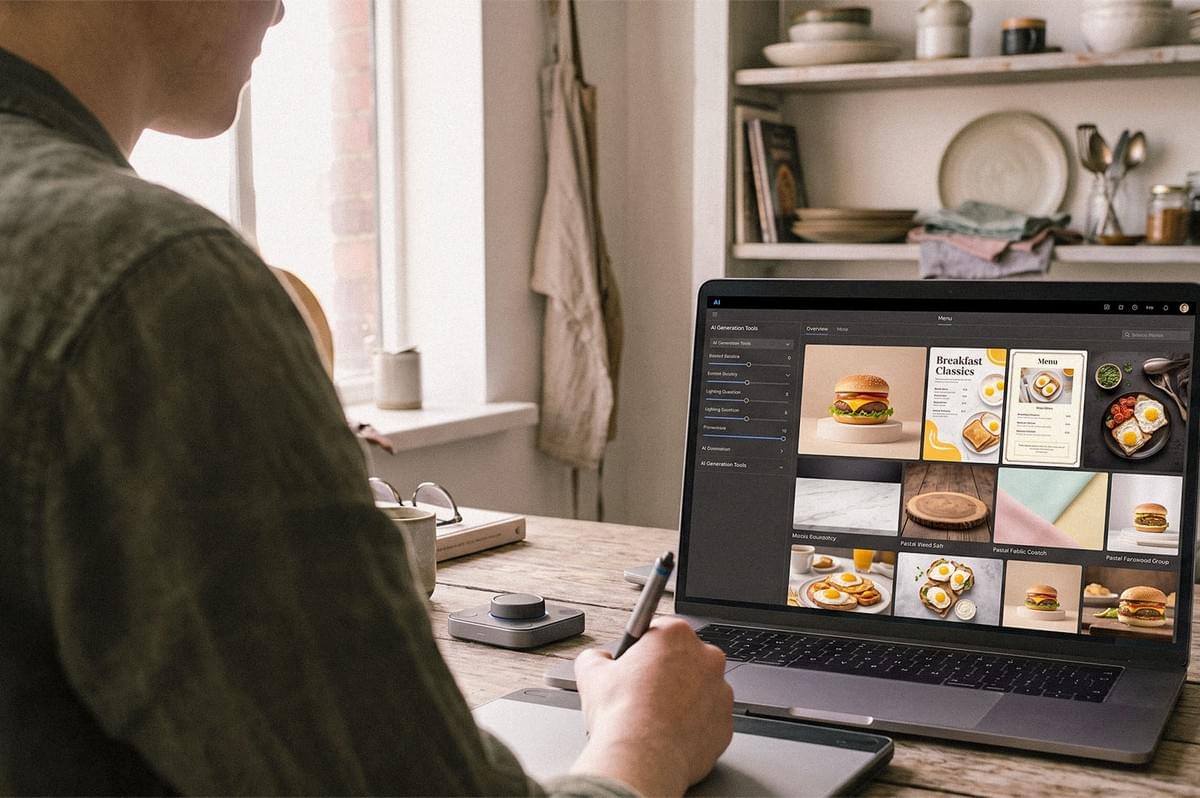
AI can already generate polished food images, extend backgrounds, alter props, test compositions, and generate food images for campaign variations without a full studio setup. That changes the workflow immediately.
What it does not replace is judgment.
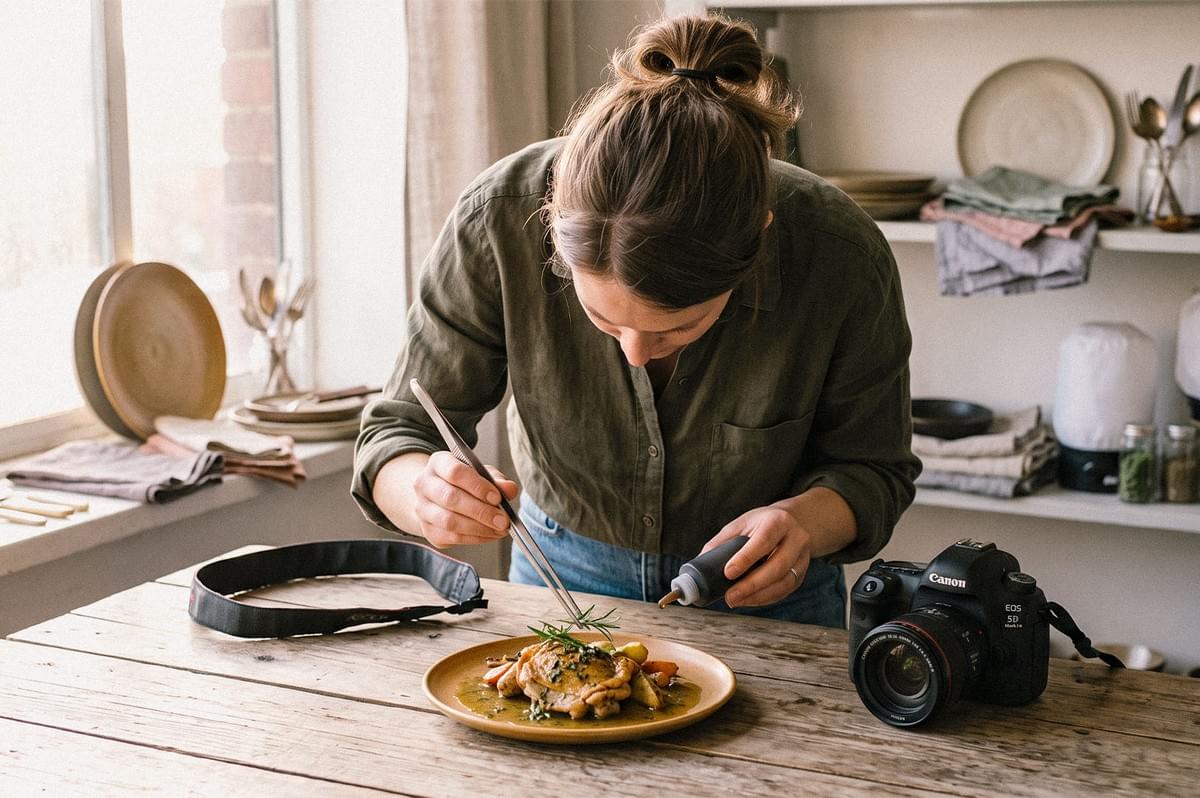
A food photographer does more than point a camera at a plate. They notice when a sauce needs to fall differently, when a garnish feels too deliberate, when steam has disappeared, or when the light makes a dish look heavy instead of fresh.
Those decisions come from observation.
AI Can Produce. Humans Still Direct.

The strongest AI food images usually begin with a clear human idea.
Someone still has to decide whether the image should feel intimate, commercial, rustic, clean, bright, or restrained. Someone has to know when the food looks technically correct but emotionally flat.
That is where photographers remain relevant.
Their role may shift away from pure image capture and toward visual direction, styling, reference creation, editing, and quality control.
In many cases, the photographer becomes the person teaching the AI what believable food should look like.
Some Photography Work Will Disappear
There is no reason to pretend otherwise.
Simple product images, generic menu visuals, background variations, and repetitive content can increasingly be produced with AI at lower cost and greater speed.
That work will change.
But high-value food photography depends on more than efficiency.
Restaurants still need accurate representation. Editorial teams still need real environments. Brands still need original visual identities. Chefs still want dishes photographed as they actually exist.
AI can imitate these things. It cannot always verify them.
The Human Advantage Is Sensitivity
Food changes quickly.
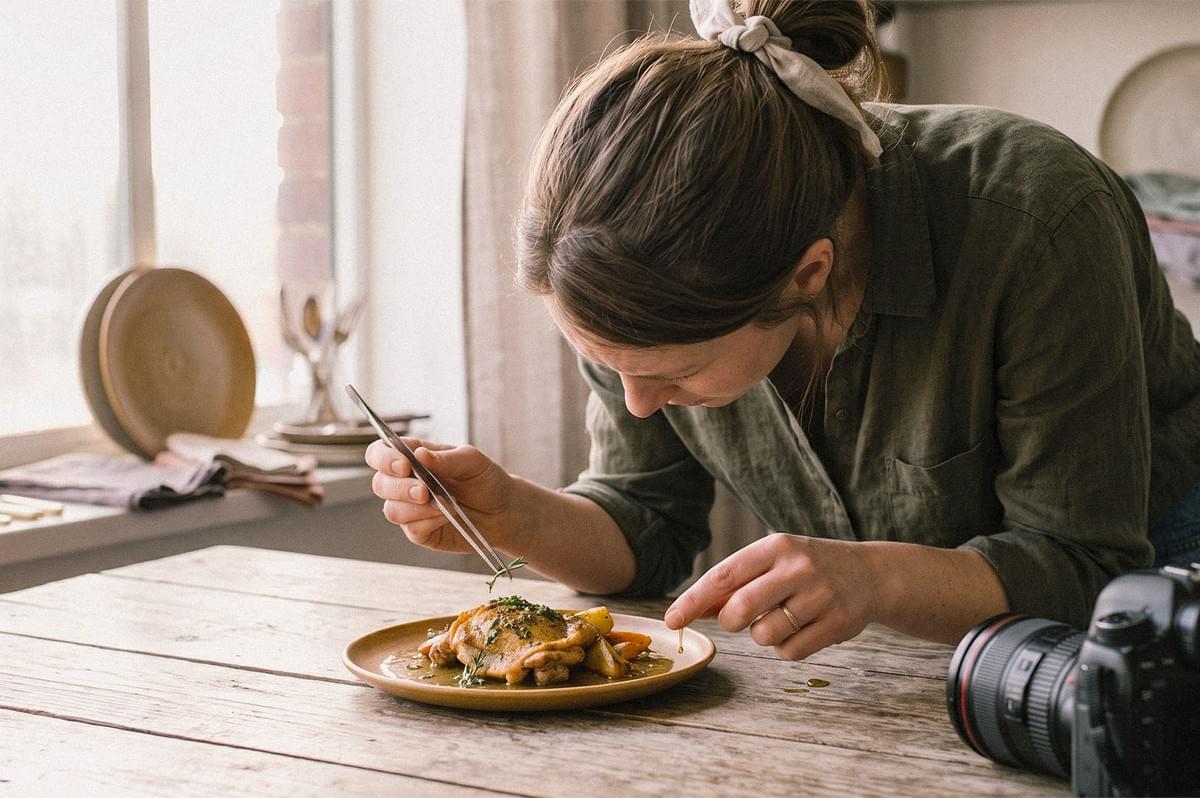
Ice melts. Herbs wilt. Cream softens. Meat loses its surface gloss. A photographer working beside the plate reacts to these changes in real time.
That is also why the question is not always whether an image looks perfect, but How much imperfection is enough?
That sensitivity is difficult to reduce to a prompt.
It is also where much of food photography’s character comes from.
The Role Will Evolve
I do not think the future belongs to photographers who reject AI.
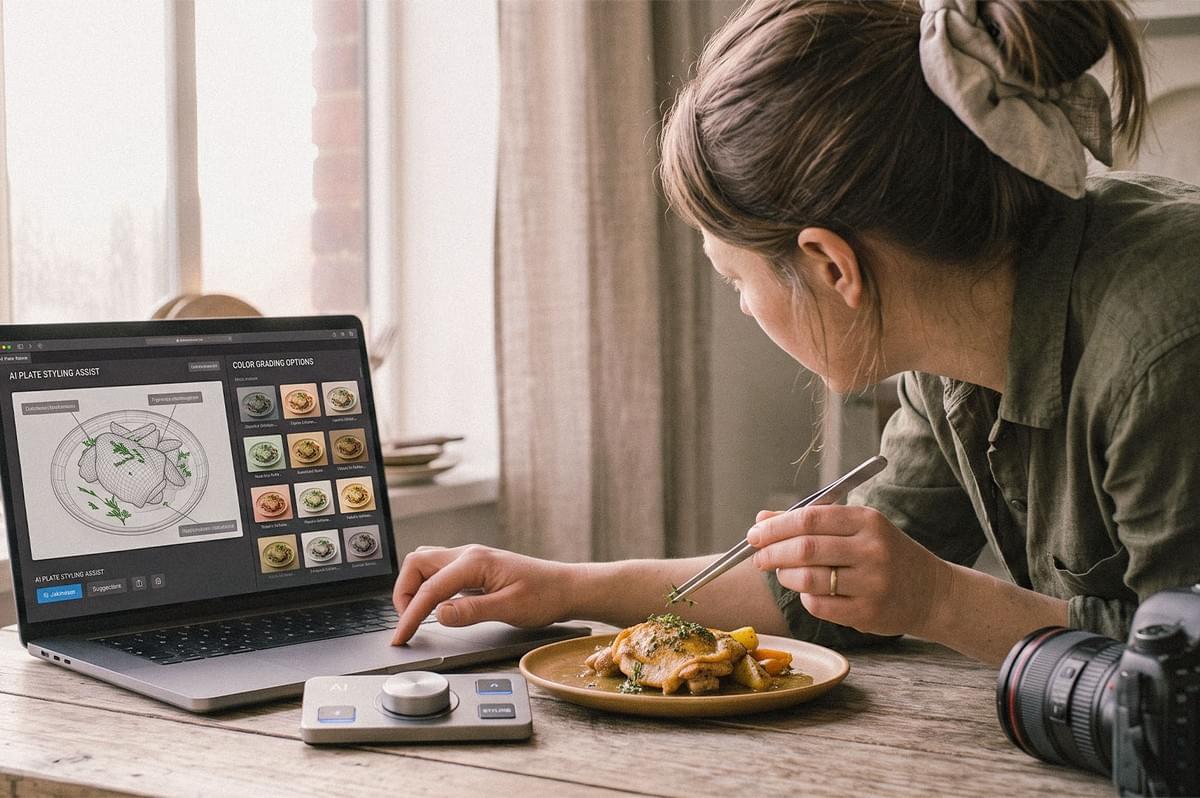
It will belong to photographers who understand what should be automated and what should remain human.
AI will handle more production.
Photographers will increasingly handle taste, judgment, realism, and direction.
That is not the disappearance of the profession.
It is a change in what the profession is actually for.
