

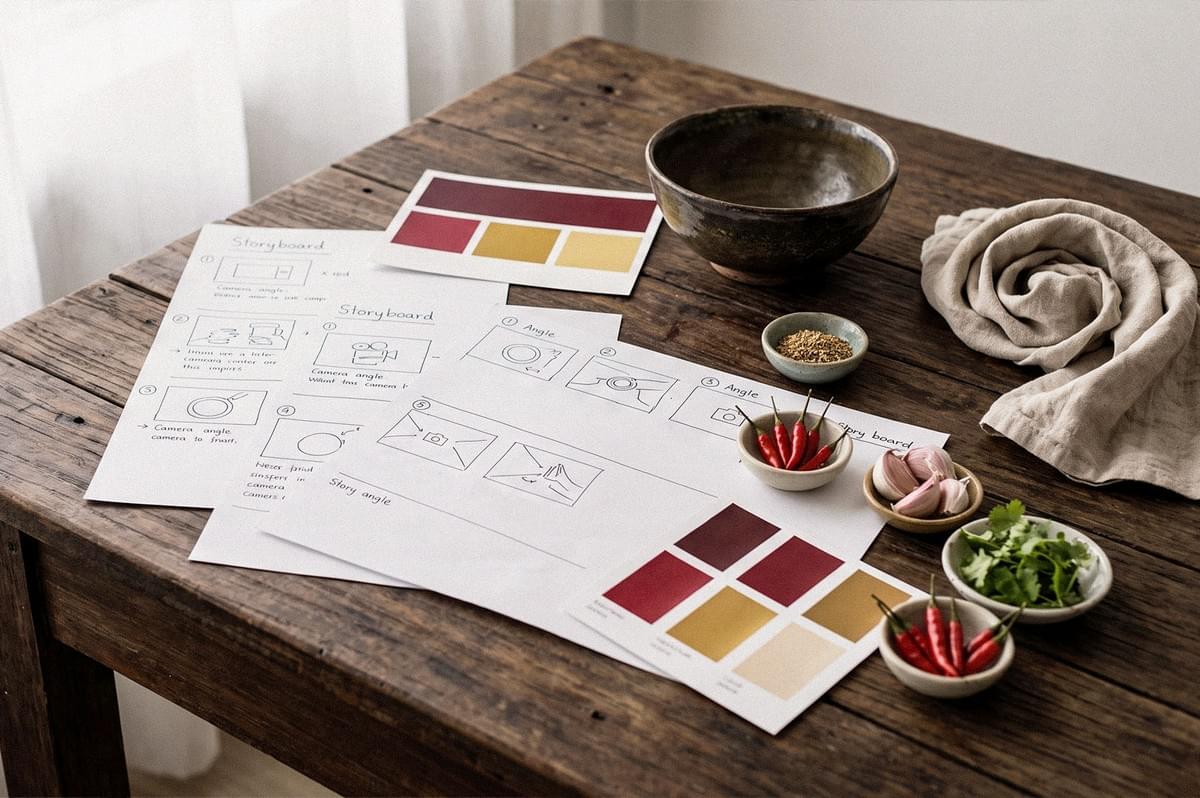
AI can now handle more of the food photography workflow than most creators expected.
It can generate concepts, remove backgrounds, extend compositions, correct exposure, match color, create alternate crops, and produce entire image sets from a few references.
That does not mean every task should be automated.
The next important skill is not learning more AI tools. It is learning where to stop using them. That is the line AI Food Photo Hub keeps returning to.
Automation Works Best on Repetition
There are parts of visual production that benefit immediately from automation.
Resizing images for multiple platforms is one. Cleaning small background distractions is another. Matching color temperature across a large campaign can also save substantial time.
These are repeatable tasks with clear targets.
AI performs well when the question is technical: Does this image match the reference? Is the exposure consistent? Can this background be extended without changing the subject?
The risk begins when automation moves into decisions that depend on taste.
Judgment Is Not a Production Bottleneck
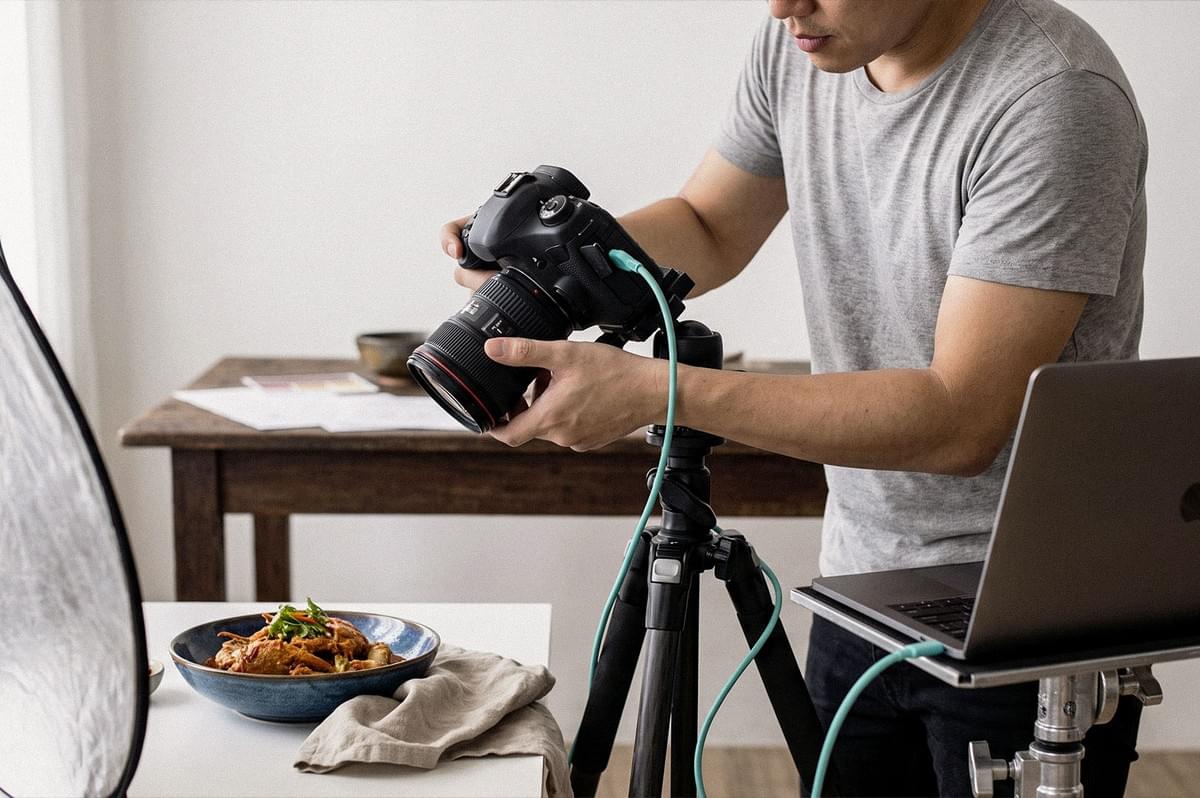
Creators often treat judgment as something that slows the workflow down.
I see it differently.
Deciding that a shadow should remain slightly dense, that a plate needs more negative space, or that a sauce should not be made glossier is not inefficiency. It is visual direction.
Food imagery depends on dozens of small choices that do not have one correct answer.
AI can suggest a cleaner composition. It cannot reliably determine whether the cleaner composition is also the better one.
That distinction matters.
Some Imperfections Should Survive
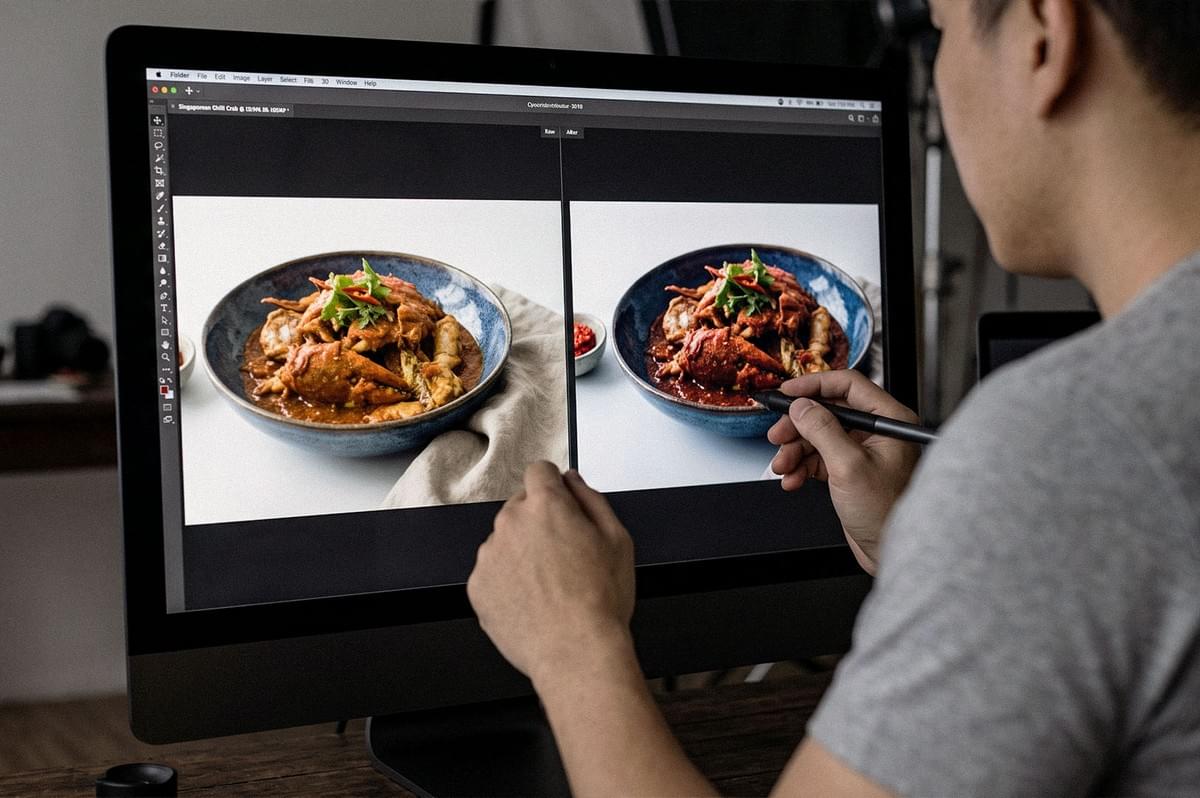
Automation tends to remove variation.
It straightens edges, balances exposure, smooths surfaces, and corrects irregularities. Used carefully, this improves an image. Used aggressively, it removes character.
A slightly uneven crust may communicate texture. A deep shadow may create depth. A loosely positioned garnish may make the plate feel less manufactured.
Not every inconsistency is a defect.
Before applying an automated correction, I ask a simple question: is this element technically wrong, or merely less perfect?
Those are not the same thing. The human hand outside the frame is often what makes the difference.
The Better Workflow Is Selective
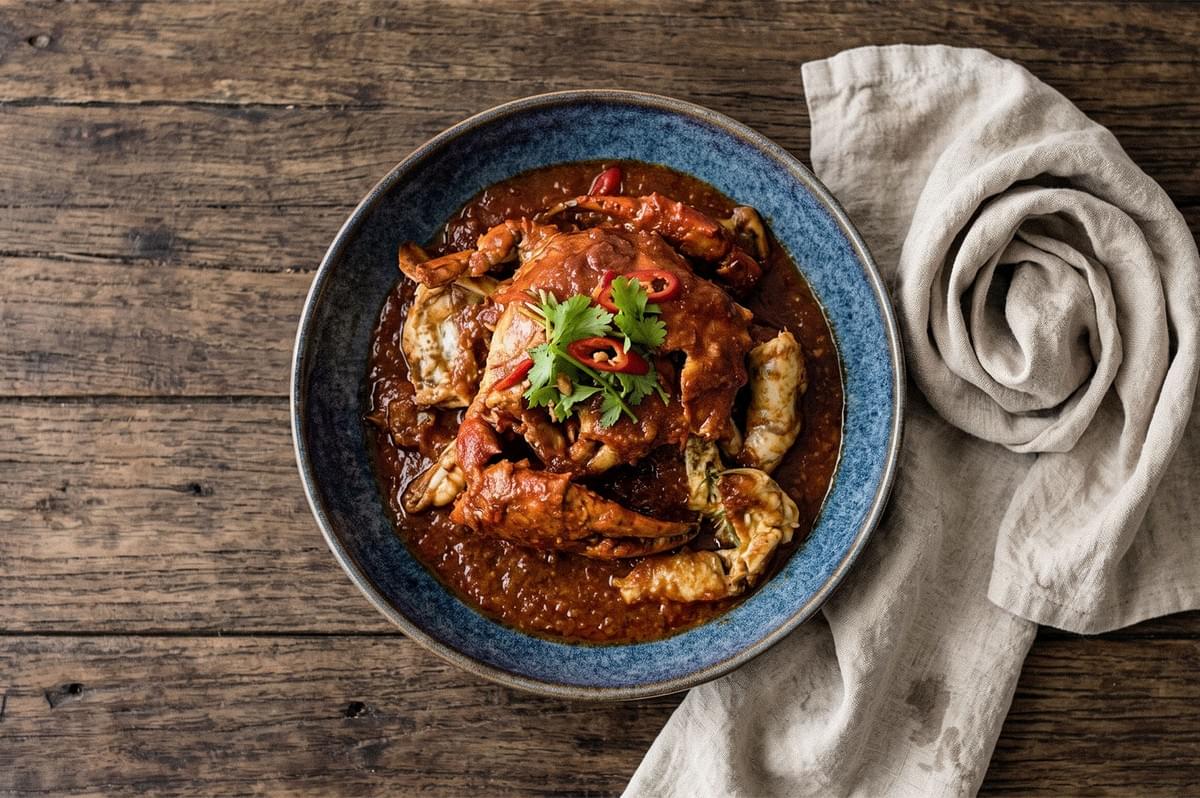
The strongest AI-assisted workflow is not the one with the most automation.
It is the one where automation handles predictable labor and the creator retains control over visual decisions.
Use AI for speed where the outcome is measurable.
Keep human judgment where the outcome depends on taste, context, and intent.
Creators who understand that boundary will have an advantage.
Because as automation becomes easier, restraint becomes more valuable.
