

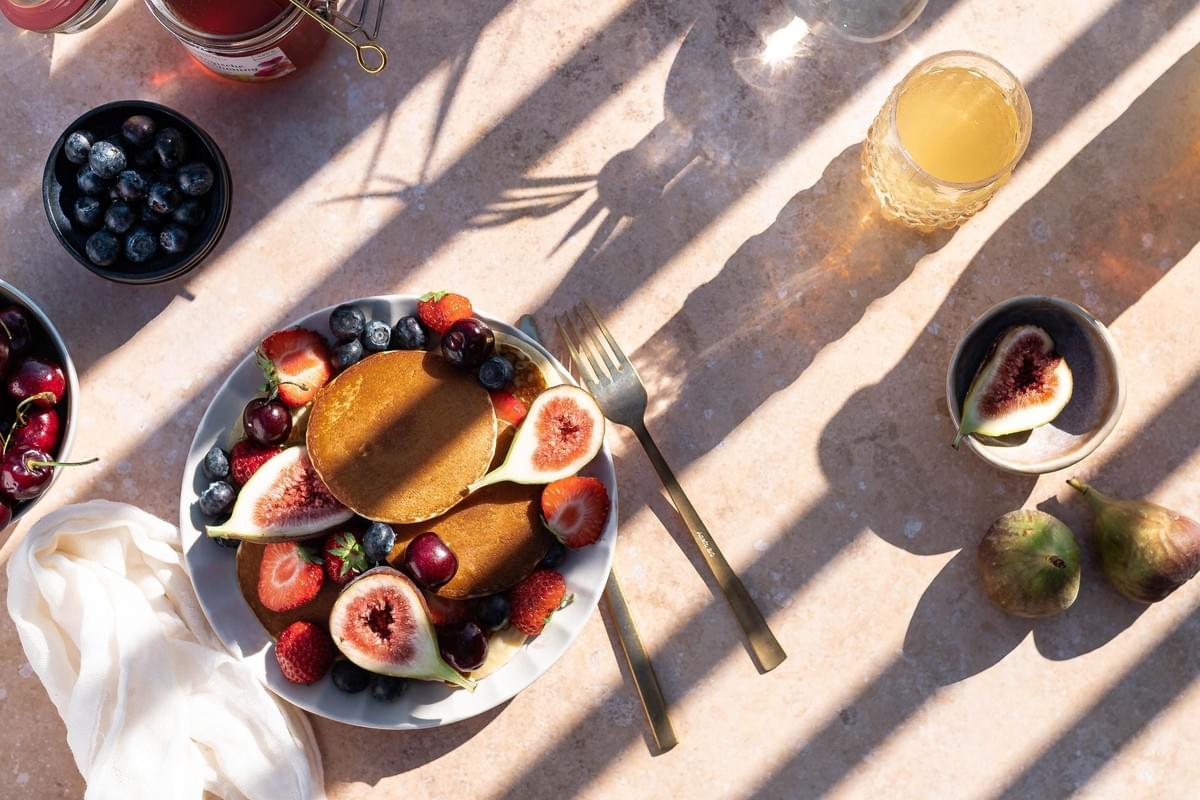
Before a chef lights the stove, ingredients are measured, organized, and placed within reach. That quiet preparation is called mise en place. It creates order before creativity begins.
Working with AI has made me realize that prompts serve a similar purpose.
Long before an image appears on the screen, the creative work happens in the words we choose. Every adjective, every lighting cue, every texture reference becomes an ingredient waiting to be assembled. The prompt is no longer just an instruction. It is the workspace where the visual story is prepared.
Every Detail Has a Purpose
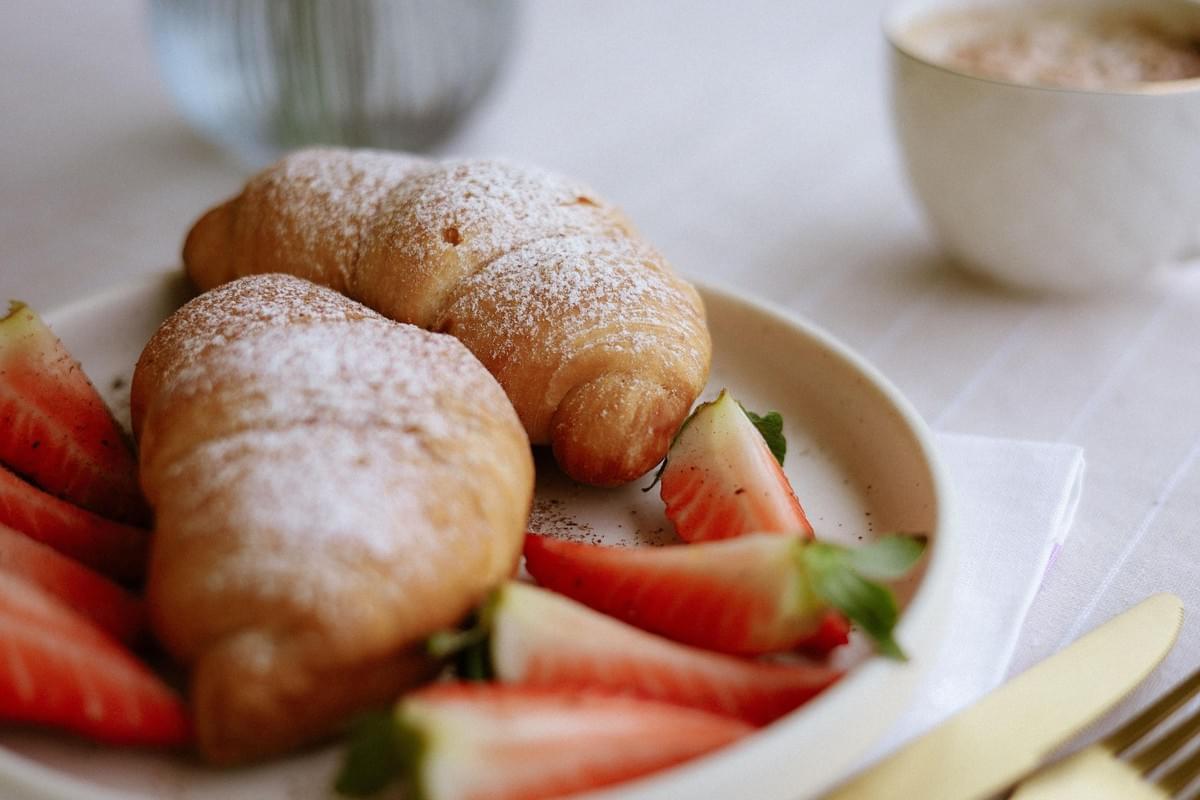
When I write a food prompt, I don't begin with the dish.
I begin with the atmosphere.
Is this breakfast unfolding beside a bright kitchen window? Is this dessert meant to feel elegant or nostalgic? Should the light reveal crisp textures or soften them?
These questions shape the final image long before AI starts rendering.
Just as a food stylist arranges props before placing the plate, prompt writing is about arranging visual intentions before generating the photograph.
Image suggestion: A wooden table with handwritten prompt notes beside fresh ingredients, a camera, ceramic plates, and a laptop displaying an AI image generation interface. Soft morning light enters from the side.
Prompts Organize Visual Thinking
A well-written prompt creates relationships between every visual element.
Instead of listing random objects, it connects them.
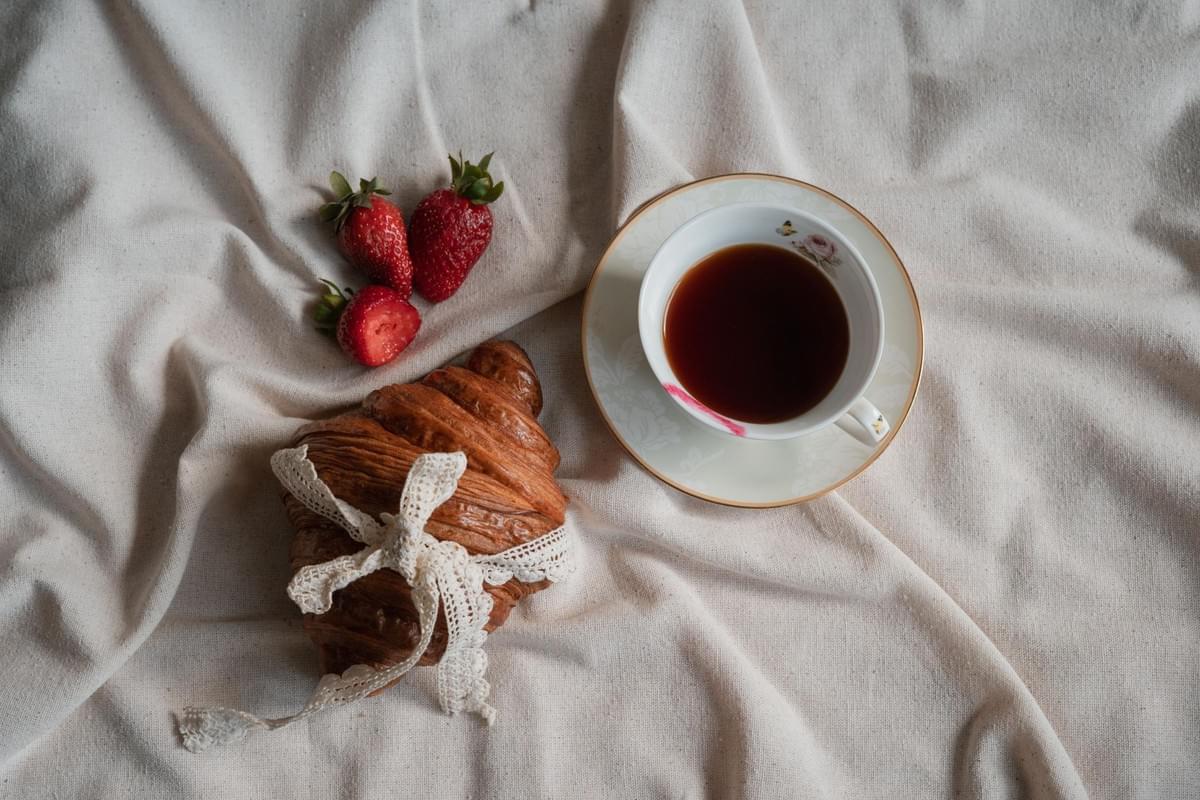
A linen napkin complements matte ceramic. Warm window light supports fresh pastries. A shallow depth of field emphasizes flaky texture while keeping the background quiet.
The image begins to feel intentional because the prompt itself is structured with intention.
Image suggestion: An overhead composition showing several AI-generated versions of the same plated meal, each becoming progressively more refined as additional styling details are added to the prompt.
Creativity Begins Before Generation
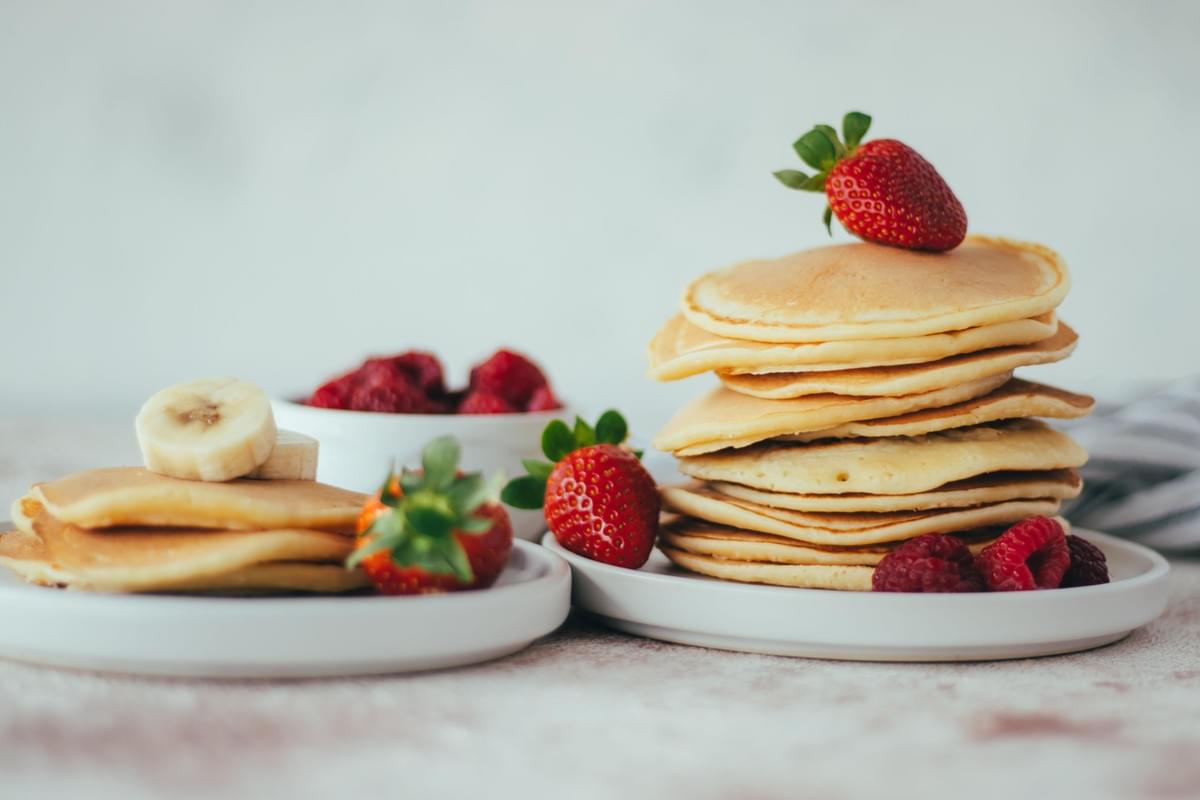
One misconception about AI is that creativity begins after clicking "Generate."
In my experience, it begins much earlier.
Prompt writing encourages slower observation. It asks us to notice the subtle qualities that make food inviting: condensation on a glass, uneven crumbs on a cutting board, softened butter catching afternoon light, or herbs that fall naturally instead of perfectly.
Those details cannot simply be added later. They must be imagined first.
The future of food styling may depend less on learning new software and more on learning how to describe visual experiences with clarity.
Because today's prompt has quietly become what mise en place has always been: thoughtful preparation before beautiful work begins.
