

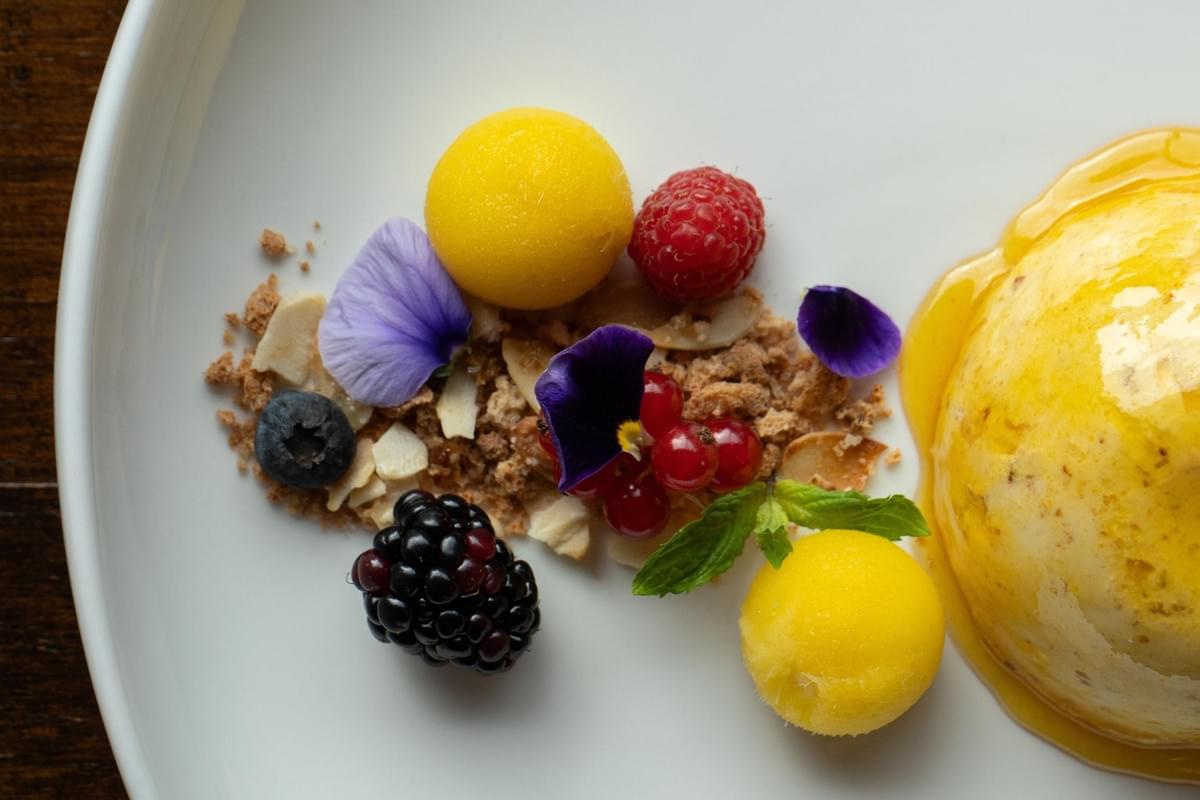
Food photography is developing a new visual grammar.
For decades, the structure was familiar: natural light, controlled styling, a clear focal point, and enough texture to make the image feel edible. AI has not removed these principles. It has made them more explicit.
In AI-assisted food imagery, every visual decision must be defined with greater precision. Light direction, surface texture, background depth, plating geometry, and color temperature are no longer only photographic choices. They are instructions.
This is where the new grammar begins.
Food Images Now Need Clear Visual Syntax
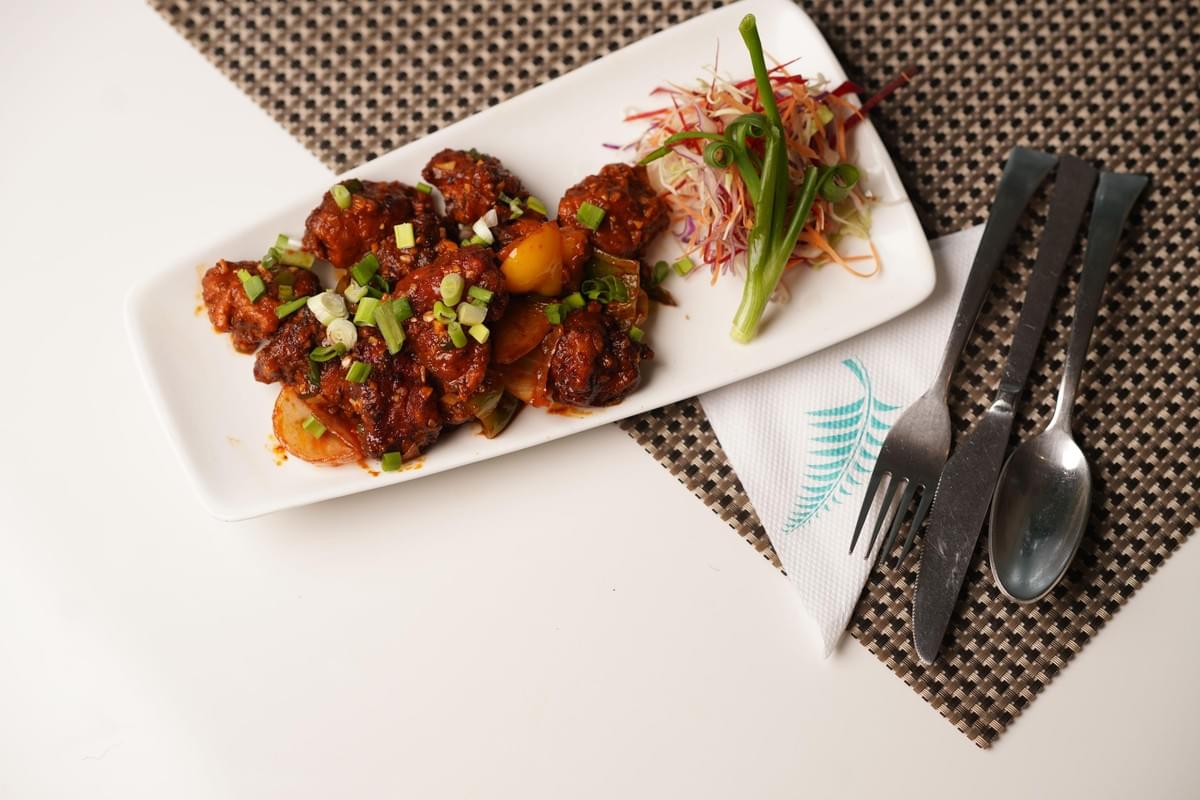
A strong food image still depends on visual order.
The viewer must understand where to look first, what texture matters most, and how the subject sits within the scene. AI can generate these elements, but it needs structured visual guidance.
A useful description should define:
- Subject
- Camera angle
- Light direction
- Surface material
- Texture cues
- Background treatment
- Mood or visual restraint
Without these details, AI often produces images that look polished but unfocused.
Sample Image Description: Texture-Focused Shot
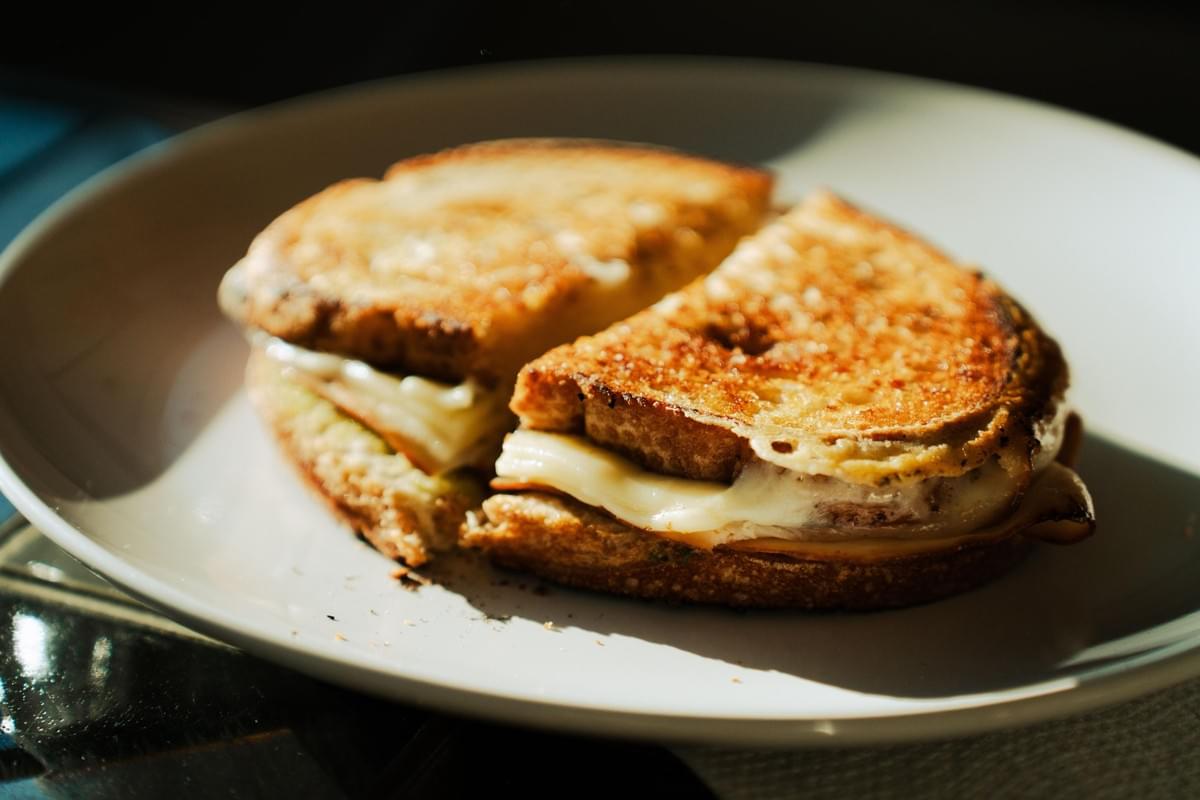
A close-up image of a sliced grilled cheese sandwich on matte ceramic, with melted cheese pulling slightly from the cut edge, crisp browned bread texture, soft side lighting from the left, shallow depth of field, neutral background, minimal crumbs on the surface.
This type of image works because the texture is specific. The crisp bread, melted cheese, and shallow focus create a clear focal hierarchy.
Sample Image Description: Editorial Table Scen
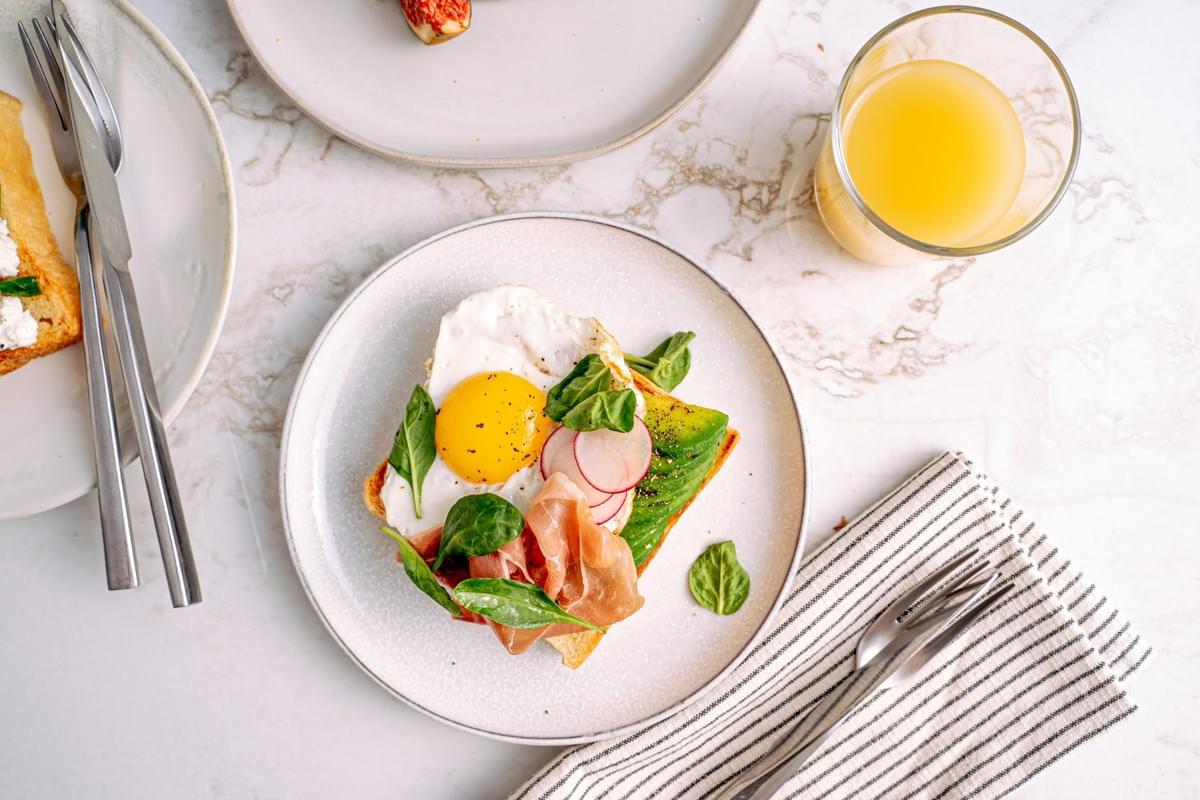
An overhead photograph of a simple breakfast table with a soft-boiled egg, toasted sourdough, butter dish, linen napkin, and ceramic coffee cup, arranged with natural spacing, warm morning light, muted beige and cream tones, slight shadow falloff, editorial food magazine style.
This composition uses spacing and repetition to create visual rhythm. The AI is not only generating food. It is constructing atmosphere through objects, tone, and layout.
Sample Image Description: Freshness-Led Image
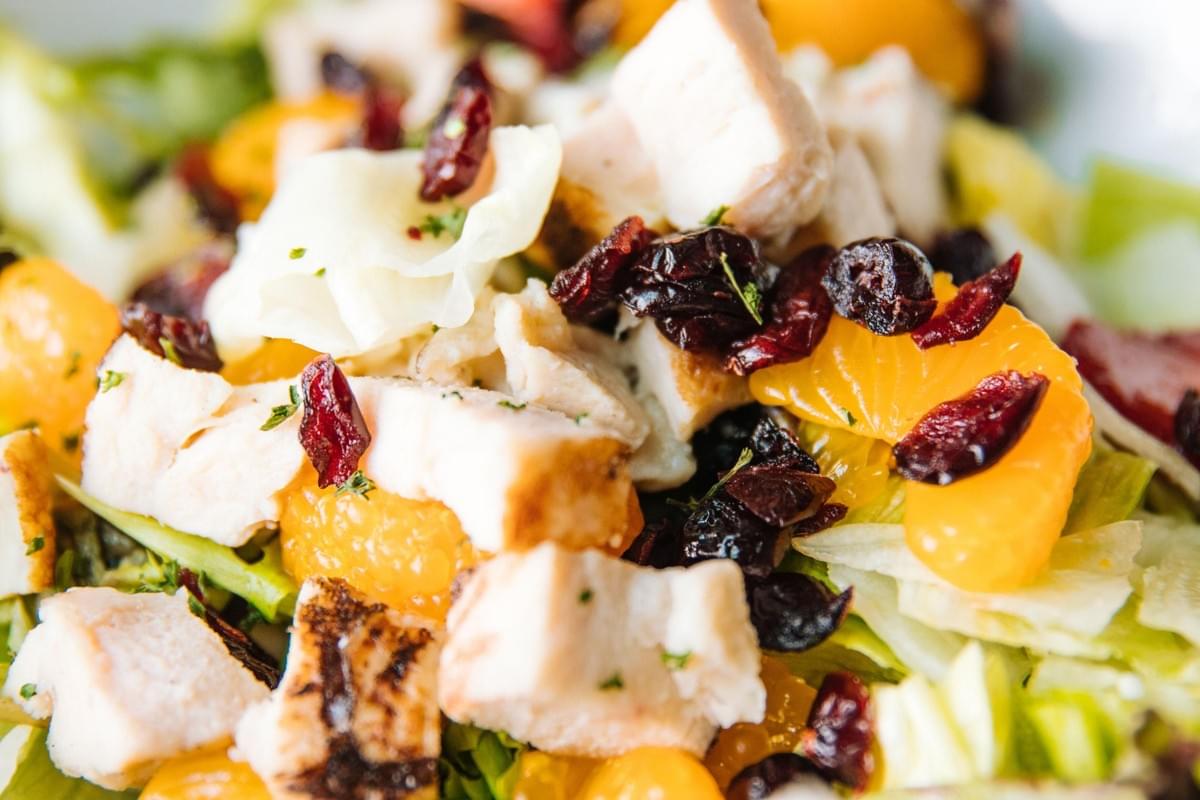
A macro shot of a citrus salad with orange slices, grapefruit segments, mint leaves, and light syrup glaze, bright diffused daylight, visible moisture on fruit surfaces, clean white plate, subtle reflections, high texture clarity, fresh editorial styling.
Freshness depends on surface behavior. Moisture, reflection, and color separation must be clearly described to avoid a flat result.
Why This Matters
AI food imagery rewards precise visual language.
The more clearly the image is described, the more controlled the result becomes. This does not make food photography less creative. It changes where the creative work begins.
The new visual grammar of food is not only about taking better pictures.
It is about learning how to describe images before they exist.
